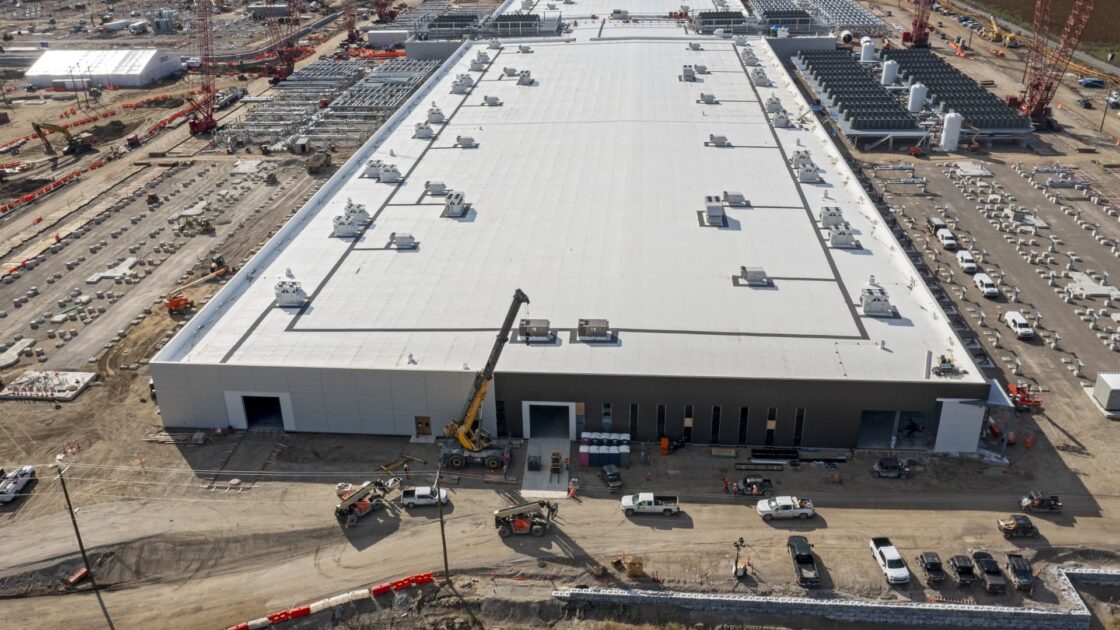
The rapid expansion of artificial intelligence has triggered a massive demand for data centers across the United States, far outpacing the availability of powered land and skilled labor. This surge has significantly increased construction timelines and financial risks for contractors, leading to a 13% year-over-year rise in building costs.
Rising Costs and Industry Impact
According to a report from the global project management firm Turner & Townsend, the 13% cost increase is more than double the global rate and roughly triple the average growth seen over the past decade. The analysis examined over 500 active or recently finished projects across 62 international markets and incorporated insights from 400 industry experts.
Paul Barry, North America data center lead for Turner & Townsend, explained that the push for faster delivery schedules has forced contractors and subcontractors to include higher risk premiums in their pricing. These costs account for overtime pay, labor attraction incentives, and fees associated with the accelerated pace of construction.
The strain on supply chains and the intense competition for resources have further compounded these expenses. Projections from PwC suggest that global capital expenditure on data centers will climb from approximately $800 billion this year to $1.8 trillion annually by 2050, with the U.S. expected to secure nearly half of that investment in AI-related infrastructure.
Power and Labor Challenges
Securing reliable power remains a primary hurdle for the industry, with 56% of survey respondents identifying it as a major obstacle to project completion. Utility connections frequently require one to two years to finalize, and nearly one-third of experts reported waiting periods exceeding two years. Regional costs for power also vary significantly; for a standard 60-megawatt facility, expenses range from $10.51 per watt in Dallas to $15.01 per watt in Silicon Valley.
Labor shortages continue to hinder the sector as well. Only about 25% of those surveyed indicated that their current contractor capacity is sufficient to manage the existing backlog of construction projects.
Looking ahead, Barry anticipates that cost inflation may moderate to between 6% and 10% in the coming year. Because many large-scale projects are already underway, much of the cost risk is already integrated into existing contracts. While the industry experienced a significant surge in new project procurement during 2026, future cost trends will depend on whether this high level of demand persists.