Table of Contents
A federal judge issued a restraining order to keep Washington’s East Potomac Park open for two weeks, temporarily halting Trump administration plans to close the area over the weekend. However, the future of the park’s historic golf course remains uncertain as its operating lease expired and plans for a major championship-level redesign face intense local opposition.
Legal Battle and Park Closure Plans
Federal Judge Ana Reyes issued the restraining order late Saturday to prevent the National Park Service from cutting off public access to most of the park indefinitely. While runners, cyclists, and visitors retained access to the grounds, the golf course was left without flags and missing its usual players. Sunday marked the final day of the government’s lease with the National Links Trust, which had managed the golf course since 2020.
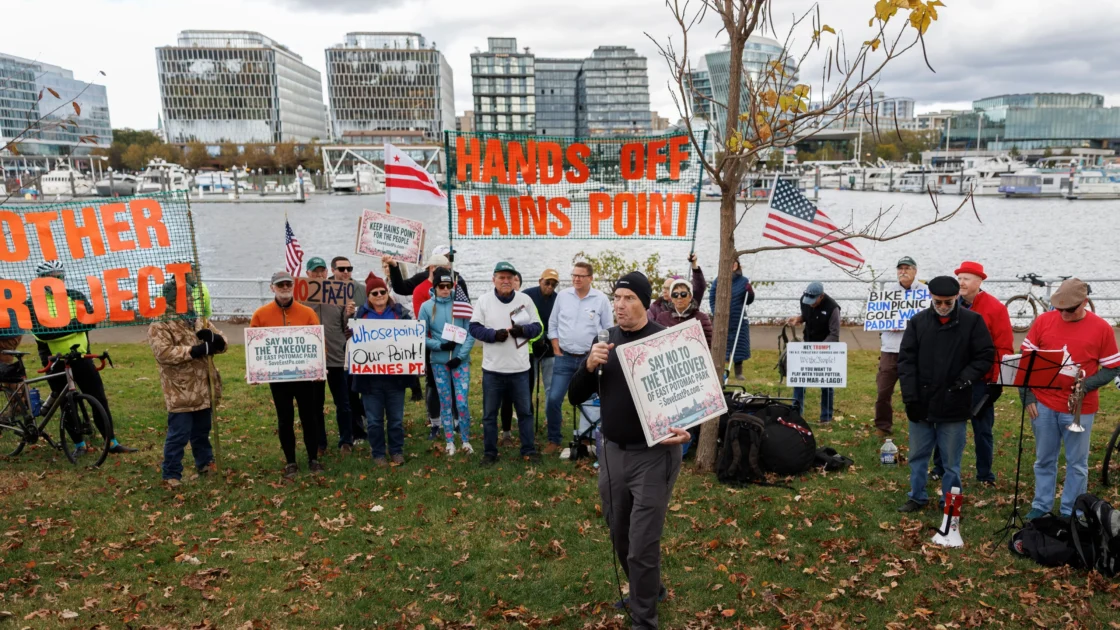
Reyes criticized the government’s timeline and justification for closing the park, stating in her 30-page order that the move would cause irreparable harm to daily visitors, local preservationists, and golfers who filed a lawsuit in February. She noted that while operating the golf course is at the discretion of the defendants, they cannot use the absence of golf operations as an excuse to exclude the public from the course.
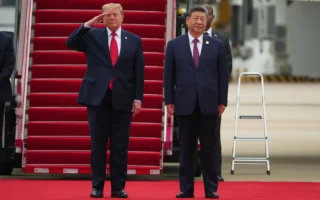
President Trump criticized the decision on social media and to reporters, stating that his administration will appeal the ruling. The National Park Service and the Interior Department did not respond to inquiries regarding the future of the course.
Redesign Proposal and Community Concerns
The administration aims to transform the current three courses of varying difficulty into a single 18-hole championship venue designed by architect Tom Fazio. Administration officials are scheduled to present the 64-page proposal to the federal Commission of Fine Arts. The plan would eliminate the perimeter road used by runners and cyclists, as well as grassy areas for picnicking and birdwatching. Critics express concern that the new layout will reduce accessibility for beginners and increase costs above the current rates, which range from $17 to $48 per round.
During a Friday hearing, Reyes questioned government lawyers regarding the necessity of closing the park and overhauling the course, noting that justifications included seawall repairs with no current plan and a lack of a golf operator. Reyes wrote that while Washington has other parks, there is no substitute for East Potomac Park.
History of Accessibility and Desegregation
Congress designated the man-made peninsula as a public park in 1897 to be held forever for public recreation. The federal government built the golf course between 1917 and 1948 to meet the demand for public facilities. East Potomac is the busiest of the city’s remaining three public courses, hosting approximately 125,000 rounds in 2025.
The original 18 holes were designed by Walter Travis in a Scottish links style with clear views of the Potomac River and the Washington Monument. The course opened in July 1920 and expanded over the decade to include three courses and one of the country’s oldest operating mini-golf courses.
The course also holds a history of civil rights significance. In June 1941, three Black golfers demanded to play after being initially turned away, completing 18 holes amid police protection and hostile onlookers. The interior secretary subsequently ordered the course opened to all players regardless of race, marking a turning point for desegregation in national parks.
Next Steps in Court
The National Links Trust ended its operational role at East Potomac on November 15 after the government terminated that portion of its lease last December, though the trust continues to manage the city’s other municipal courses. Reyes questioned why the National Park Service could not renew the lease or step in to run the facility temporarily.
On Monday, Reyes ordered both legal parties to submit briefings addressing whether the court possesses the authority to require the government to operate the East Potomac Golf Course in order to maintain the status quo.