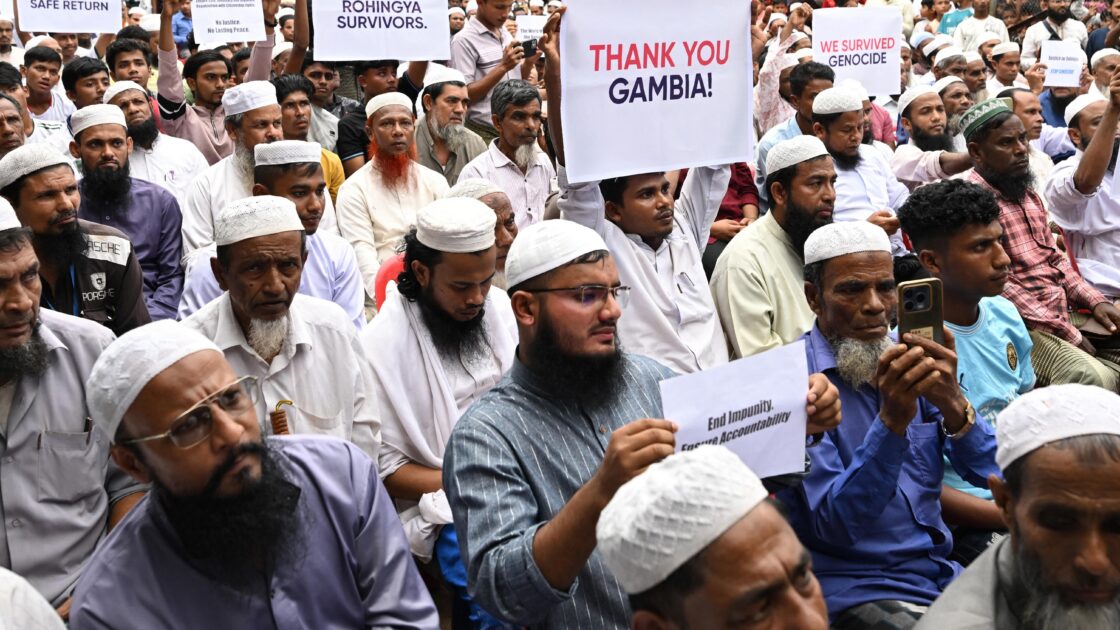
The United Nations’ highest court has ruled that Myanmar committed state-sponsored genocide against the Rohingya people in 2016 and 2017. In its decision, the International Court of Justice stated that Facebook played a role in helping the country’s military spread hate speech targeting its Muslim minority, as reported by Reuters.
The Role of Facebook in the Violence
The International Court of Justice determined that military-authored Facebook posts dehumanized the Muslim minority and occasionally encouraged and legitimized violence against them. The Gambia initiated the lawsuit against Myanmar in 2019 following violent military clearance operations directed at Rohingya Muslims.
At the time of the attacks, Facebook served as the most popular online platform in Myanmar. A 2012 report by Amnesty International concluded that the platform actively amplified and promoted content that incited discrimination, hatred, and violence against the Rohingya. Despite repeated warnings from human rights advocates, Amnesty International noted that Facebook failed to halt the spread of this hateful material.
UN Evidence and Company Response
The United Nations supported these findings by citing a report from the Independent Investigative Mechanism for Myanmar (IIMM). The mechanism revealed that a military post published prior to the massacres of Rohingya people on August 25th, 2017, provoked a surge of public hostility. More than 200 comments on the post demanded that the Rohingya be shot, killed, exterminated, or permanently removed from Myanmar.
The IIMM reported that Facebook subsequently removed military-linked pages holding thousands of anti-Rohingya hate speech posts published between July and December 2017. The platform acknowledged in 2018 that it had fallen short in preventing the incitement of violence within the country. Following these events, the company implemented a corporate human rights policy featuring an annual impact report.