Table of Contents
The United States has officially lost its measles-free status after 26 years, a development confirmed by the Pan American Health Organization (PAHO) on November 17, 2026. Experts suggest that a decline in vaccination rates and a general complacency regarding the disease have fueled the current surge, which saw over 5,400 cases in the US by late 2026.
Brazil’s Strategy for Disease Control
Brazil offers a potential roadmap for recovery, having regained its measles-free status in 2024 after losing it in 2019. The country maintains a strict, rapid-response protocol mandated by PAHO, which requires suspected cases to be reported within 24 hours, investigated within 48 hours, and close contacts vaccinated within 72 hours.
To maintain high coverage, Brazil utilizes “Dia S” programs, where health workers conduct outreach in schools, daycare centers, and churches to identify unvaccinated individuals. The country also holds mass vaccination events known as “Dia D.” Despite these efforts, PAHO Director Jarbas Barbosa cautioned that elimination is not a permanent achievement, noting that Brazil’s 2025 vaccination rate for children was only 76%, well below the 95% threshold required to prevent community spread.
The Situation in the United States
The US lost its status after the PAHO determined that the same strain of the virus had been circulating for at least 12 months. Nearly all infected individuals were either unvaccinated or had unknown vaccination histories. While President Donald Trump signed an executive order in August 2026 recommending measles vaccines for children, the administration’s broader stance remains unclear due to the rhetoric of Health Secretary Robert F. Kennedy Jr., who has frequently opposed vaccinations in favor of alternatives like vitamin A.
Data from the US Centers for Disease Control and Prevention (CDC) shows that measles vaccination rates among kindergartners have fallen to 92%, leaving approximately 280,000 children unprotected. While school entry typically requires vaccinations, many states allow exemptions for religious or personal reasons without medical oversight. In some regions, such as parts of Texas, coverage has dropped as low as 77%.
The Importance of Herd Immunity
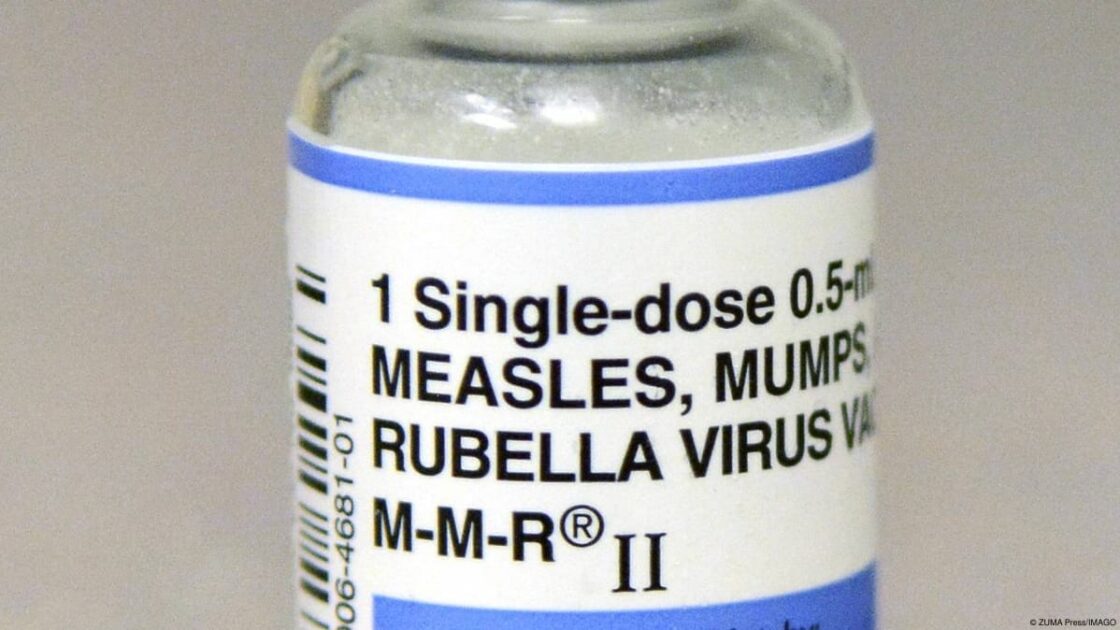
Measles is highly contagious, with one infected person capable of spreading the virus to up to 18 unprotected individuals. Because the MMR vaccine provides 97% protection, public health experts, including American Academy of Pediatrics president Andrew Racine, emphasize that a community must maintain at least 95% vaccination coverage to ensure herd immunity. Even small dips in these rates can lead to localized outbreaks, particularly in schools or communities where coverage falls below the necessary threshold.
Global Trends and Risks
The Americas are currently experiencing a significant surge, with over 58,000 cases reported in 2026, largely driven by outbreaks in Guatemala. While global measles deaths have decreased by 88% since 2000, progress has stalled, and only about 75% of children worldwide receive both required vaccine doses. Europe has seen mixed results; while countries like Hungary have maintained high coverage and zero cases, nations including the UK, Spain, and Austria lost their measles-free status in early 2026.
Measles remains a severe health threat, as the virus can linger in the air for two hours and is transmissible four days before a rash appears. In the US, approximately one in five unvaccinated people who contract the disease requires hospitalization, and the virus can cause long-term damage to the immune system.