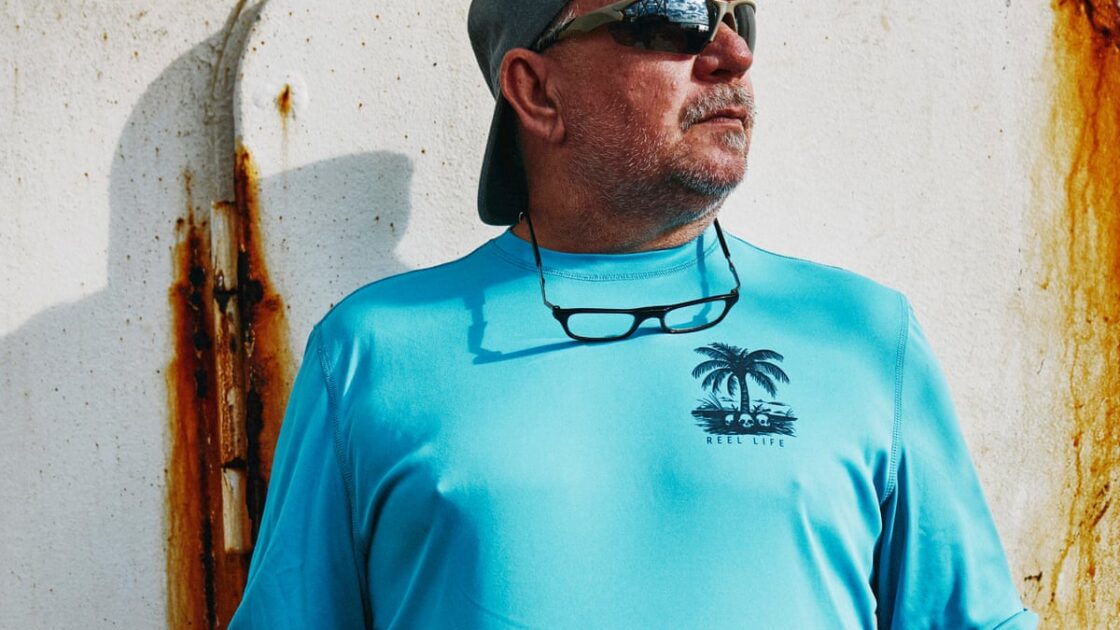
A rusty scallop boat docked in New Bedford, Massachusetts, after spending twelve days at sea monitoring vessels, recording marine life, and watching over workers at Revolution Wind, a 65-turbine offshore wind project south of Rhode Island. The crew of fishers worked for Sea Services North America, a cooperative that retrains local fishers to support offshore wind construction and provides them with a crucial second income stream.
Coexisting industries and economic benefits
Sea Services was founded in 2020 by Gary Yerman, a veteran fisher who visited Northern Ireland with local lawyer Gordon Videll to observe fishers collaborating with offshore wind developers. Witnessing the financial stability the projects brought to families abroad, the pair returned to the US to win the trust of skeptical domestic fishers who initially viewed the windfarms as threats to their livelihoods.
The COVID-19 pandemic and declining seafood demand eventually pushed local workers to seek alternatives, particularly scallopers whose legally restricted seasons limit them to 36 days at sea per year. Fleet owner Jack Morris noted that the partnership allows boat owners to buy groceries, pay insurance, and cover housing during the off-season. Stacy Alexander-Nevells, who runs a 19-boat operation, explained that diversification kept boats active and crew members employed.
Capt Kevin Souza stated that the initiative served as a “godsend” after decades of physical strain from scalloping caused injuries like arthritis and carpal tunnel syndrome. Sea Services reported paying vessel owners and fishers a total of $34m across multiple commercial-scale windfarms, which also supported onshore businesses such as mechanics, welders, and electricians.
Uncertain future under the Trump administration
Donald Trump has systematically targeted offshore wind projects since returning to office, issuing an executive order to halt construction and allocating nearly $4bn to buy back wind leases from companies. Videll reported that the resulting economic pressure and financial hesitation have caused work to dry up for Sea Services.
Souza noted that his shifts have become less frequent and expressed concern that the downturn will negatively impact local businesses, restaurants, and housing in New Bedford, a major commercial port facing a budget deficit and high unemployment. Having already sold his New Bedford home and relocated to Florida, Souza plans to seek employment in the Gulf Coast oil industry.
While Videll considers expanding the co-op model to other regions and alternative projects like underwater cables, the decline of offshore wind threatens the income of hundreds of fishers. Videll stated that the cooperative successfully proved that the two industries can coexist despite political claims.