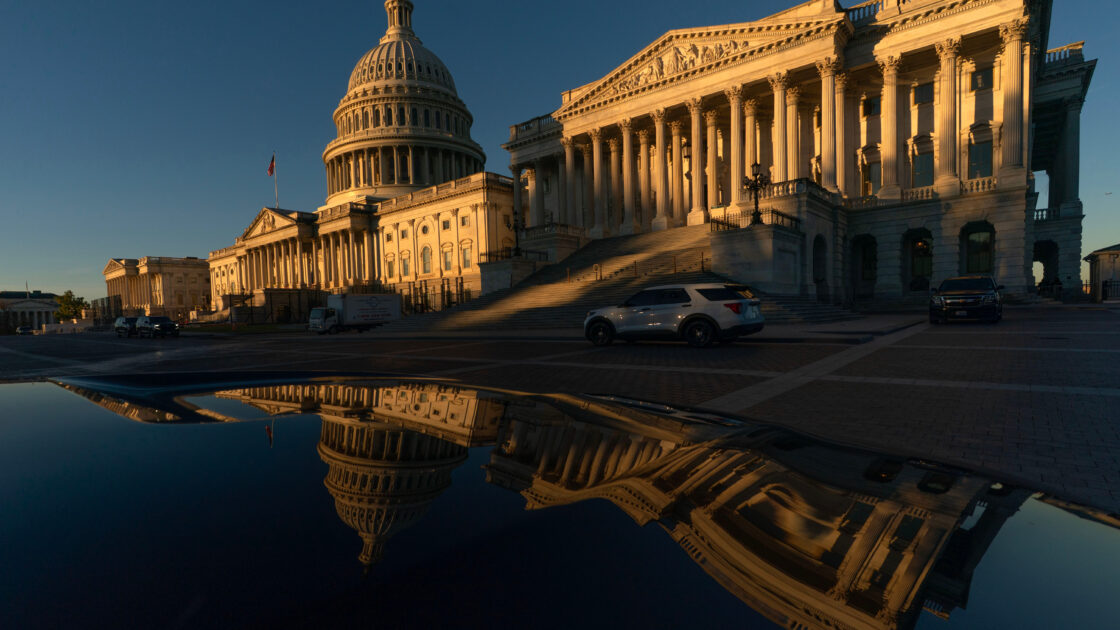
The United States Senate has passed a bipartisan bill to speed up approvals for power plants, transmission lines and other energy projects as lawmakers face pressure to bring down electricity bills and meet growing demand fuelled by the growth of artificial intelligence.
Senate Vote and Legislative Details
The Senate voted 62-33 on Thursday as 15 Democrats, including Senate Minority Leader Chuck Schumer, backed the bill and two Republicans voted against it. President Donald Trump had urged senators to pass the measure and stated he would sign the bill if it passes the House of Representatives.
The Bipartisan American Affordability and Jobs Act would shorten timelines for federal reviews for energy projects and limit how approvals may be challenged in court. It would change several environmental laws, including the National Environmental Policy Act, which requires federal agencies to weigh a project’s environmental effects and gives the public a chance to weigh in before a project is approved.
The four senators who coauthored the bill, two from each party, argued that Americans are tired of paying high utility bills while projects that could lower them are stuck in the planning phase. Republican Senator Mike Lee of Utah stated that the legislation aims to make it easier to build in America again and make life more affordable for American families. Lee negotiated the deal with fellow Republican Shelley Moore Capito of West Virginia and Democratic Senators Martin Heinrich of New Mexico and Sheldon Whitehouse of Rhode Island.
The bill would also require large AI data centres to pay for more of the cost of upgrading power grids to serve their needs. The vote came after rising electricity bills and opposition to data centres became major issues in the midterm elections this month. Democrats campaigned on promises to rein in the industry and swept to victory, winning control of both chambers of the new US Congress, which will convene on January 3. Until then, Republicans hold slim majorities in both chambers.
Industry groups representing both renewable energy developers and oil and gas companies backed the bill, saying current delays can stretch timelines by a decade or more.
Criticism from Environmental Groups and Lawmakers
Environmental groups, including the Sierra Club and the National Wildlife Federation, warned that the bill would weaken protections for water and wildlife and make it harder for communities to challenge project approvals. Other groups said it would lead to more fossil fuel development.
Jen Duggan, executive director of the Environmental Integrity Project, stated that the backroom deal paves the way for even more fossil fuel projects like gas power plants for data centres, oil and gas pipelines and liquefied natural gas terminals while sacrificing fundamental and common-sense public health and environmental protections for communities across the US. She called it a gift to some of the biggest polluters in America, arguing that any gains in renewable energy would be outweighed by emissions and pollution from the fossil fuel industry. Critics also took issue with how quickly the bill was moving, arguing that it was being rushed through Congress.
Democratic Senator Maria Cantwell from Washington state explained after meeting with tribal leaders that the legislation would undermine tribal nations’ sovereignty and weaken protections for their water, land and wildlife. She called for more time to consider those concerns and amend the bill. Some Democrats who opposed the bill also argued the party should wait until January to push through stronger legislation that limits fossil fuel development while doing more to expand wind and solar power.
The Senate passed the measure without adopting amendments pushed by Oregon’s two senators, including one that would ban data centres on public land and another that would prevent the Trump administration from cancelling energy grants and other Democratic initiatives for purely political purposes.