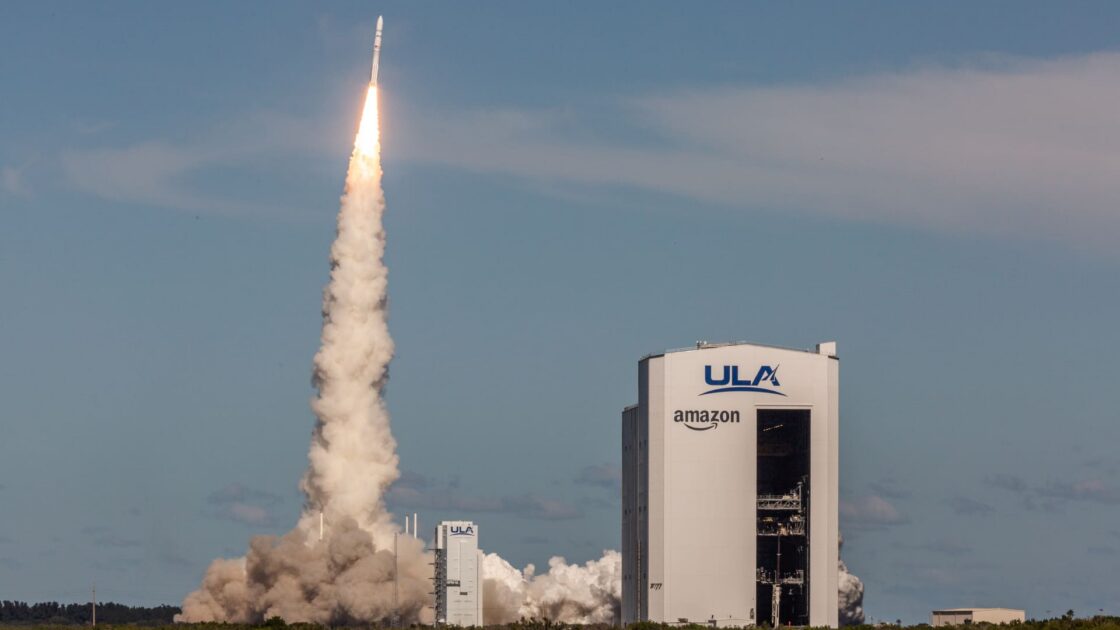
A Vulcan rocket operated by United Launch Alliance, the joint venture between Boeing and Lockheed Martin, failed mid-flight shortly after launching from Florida on Sunday. The mishap destroyed its payload of 40 satellites belonging to Amazon’s Leo internet network, marking the launch company’s very first mission failure.
Mission Anomaly and Investigation
The rocket malfunctioned approximately 10 minutes after departing from the Cape Canaveral Space Force Station, and the exact reason for the failure remains unknown. United Launch Alliance stated that its Launch Director confirmed the vehicle experienced an anomaly 10 minutes into the flight, which prevented it from delivering the Amazon mission into orbit. The company noted that while every flight yields lessons, they do not yet have specific data to determine what caused the incident.
The incident is anticipated to trigger a detailed technical review that will likely ground the rocket for months. This delay threatens to worsen an existing launch shortage in the United States, compounded by other industry challenges and the upcoming retirement of SpaceX’s Falcon 9 rocket, which is the world’s most active launch vehicle and is no longer taking new bookings.
Amazon stated that launch risks exist for inaugural missions like the LV-01 flight, expressing confidence that United Launch Alliance remains a trusted partner that will learn from the event and fulfill its long-term objectives for the Vulcan system.
Previous Delays and Engine Scrutiny
Sunday’s flight was the fifth mission for the Vulcan rocket since its introduction in 2024 and its first in nine months. The previous hiatus was caused by extended technical investigations regarding its solid rocket side boosters and its core BE-4 engines, which are manufactured by Blue Origin, the space enterprise founded by Amazon’s Jeff Bezos. According to an anonymous source, Blue Origin is currently collaborating with United Launch Alliance to investigate the Sunday failure.
The boosters had faced scrutiny following issues on the two preceding Vulcan flights, including a February mission for the U.S. Space Force. Although those missions successfully reached orbit, the Pentagon had delayed clearing the rocket for national security payloads until it proved itself on Sunday’s Amazon flight. Furthermore, a Blue Origin New Glenn rocket utilizing the BE-4 engine suffered a launchpad explosion in May, which investigators traced back to the engine. That incident prompted Blue Origin to modify the engines provided to United Launch Alliance for the Vulcan, as stated by ULA spokesperson Jessica Rye to Reuters in August.
It remains undetermined whether the BE-4 engines contributed to Sunday’s failure, which appeared to happen after the second stage carrying the Amazon satellites separated from the first-stage booster powered by those engines.
United Launch Alliance was established in 2006 through the combination of Boeing’s Delta program and Lockheed Martin’s Atlas program, maintaining a flawless 100 percent mission success rate since its inception, following only a small number of historical failures across the predecessor programs.