Table of Contents
Homeowners across the United States are driving a growing movement to reduce or limit property taxes as they grapple with surging home values and living expenses. Amid these financial pressures, several states are considering or implementing caps on how much local governments can collect from property owners, a trend experts describe as a property tax revolt.
Recent Ballot Measures and State Action
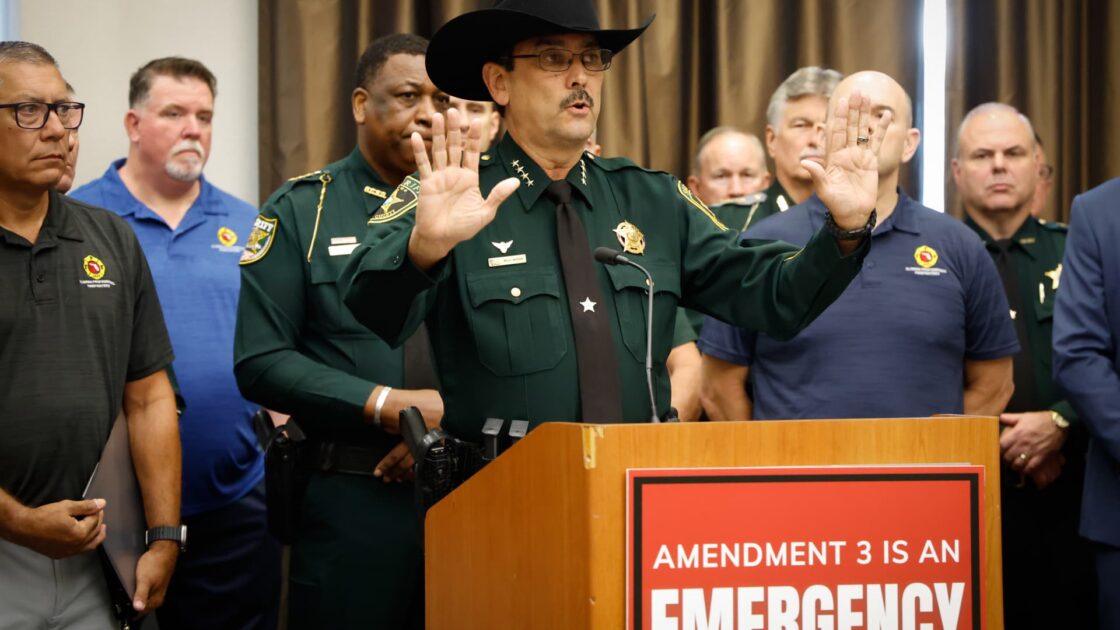
During the Nov. 3 midterm election, voters in Florida approved Amendment 3, which increases the portion of primary residences exempt from property tax for non-school levies and lowers the annual assessment cap for certain properties. At the same time, North Carolina voters approved an amendment requiring the state legislature to enact limits on property tax increases, while voters in Oklahoma and Wyoming rejected alternative property tax measures.
In Ohio, an effort to place a property tax abolition amendment on the November ballot fell short of the required signatures, though supporters intend to file another attempt in 2027. Despite the mixed results of these midterm ballot initiatives, Matthew Chase, CEO of the National Association of Counties (NACo), stated that reforms targeting property taxes will likely continue.
State lawmakers across the country enacted at least 168 property tax measures—ranging from exemptions and credits to refunds—spanning 40 states and the District of Columbia between January 2020 and June 2020, according to an October NACo report.
How Property Taxes Work and Why Costs Are Rising
Property taxes are calculated as a percentage of a home’s assessed value, based on estimated market rates. Certain municipalities apply a millage rate—where one mill equals $1 of tax per $1,000 of taxable assessed value—which adjusts according to home value fluctuations and local budget requirements. Experts point out that higher assessments can lead to larger tax bills even when local governments lower the millage rate.
Annual bills vary significantly across the U.S., ranging from under $250 in certain rural counties to over $10,000 near major cities, according to 2026 data from the Tax Foundation. The push for tax cuts is driven primarily by affordability concerns as property taxes have risen alongside escalating home values, according to NACo’s Chase. Data from the National Association of Realtors shows the median sales price for U.S. single-family homes reached roughly $419,000 in 2025, up from about $300,000 in 2020. Meanwhile, U.S. Census Bureau data indicates the median property tax bill for owner-occupied homes was approximately $3,300 last year.
These escalating tax bills have compounded the financial strain on homeowners already facing higher costs for gasoline, groceries, and other daily expenses, fueling demand for relief.
Debate Over Funding and Local Services
While proponents of property tax cuts argue that local governments should curtail their spending, other analysts warn that tax relief will create revenue shortfalls affecting local police and fire services, public schools, roads, and infrastructure. Jared Walczak, a senior fellow at the Tax Foundation, noted that there is no realistic way to replace property taxes in most states, noting that property taxes typically offer a more stable revenue source than sales or income taxes during economic downturns.
Property taxes serve as the single largest local levy revenue source for most local governments, accounting for roughly 28% of local funding nationwide in 2024, according to the Lincoln Institute of Land Policy. Walczak noted that while property tax cuts are easy to support in the abstract, defining a replacement system that satisfies everyone remains challenging.
In Flagler County, Florida, Sheriff Rick Staly stated in an email that it is too early to determine the impact of Amendment 3 on local law enforcement, expressing hope the department will not return to underfunded and understaffed conditions. A Tax Foundation analysis from October estimated that Florida’s Amendment 3 could reduce local government revenue by $4.9 billion in its first year, $8.7 billion in the second year, and $11.8 billion annually by the 2031 tax year.
Local governments are also managing increased expenses for employee compensation, public services, and infrastructure repairs, according to NACo’s Chase, who pointed to rising costs for winter road salt in New York counties. Chase stated that because counties cannot stop delivering essential services, the necessary funding will ultimately have to come from somewhere else.