Table of Contents
Severe food shortages and empty granaries in southern Malawi are forcing residents along the lower Shire River basin to wade into crocodile-infested waters to harvest wild water-lily roots, known as nyika. Foragers spend hours searching the thick marsh sediment, balancing the immediate threat of predator attacks against the certainty of starvation.
Rising Dangers and Desperate Harvests
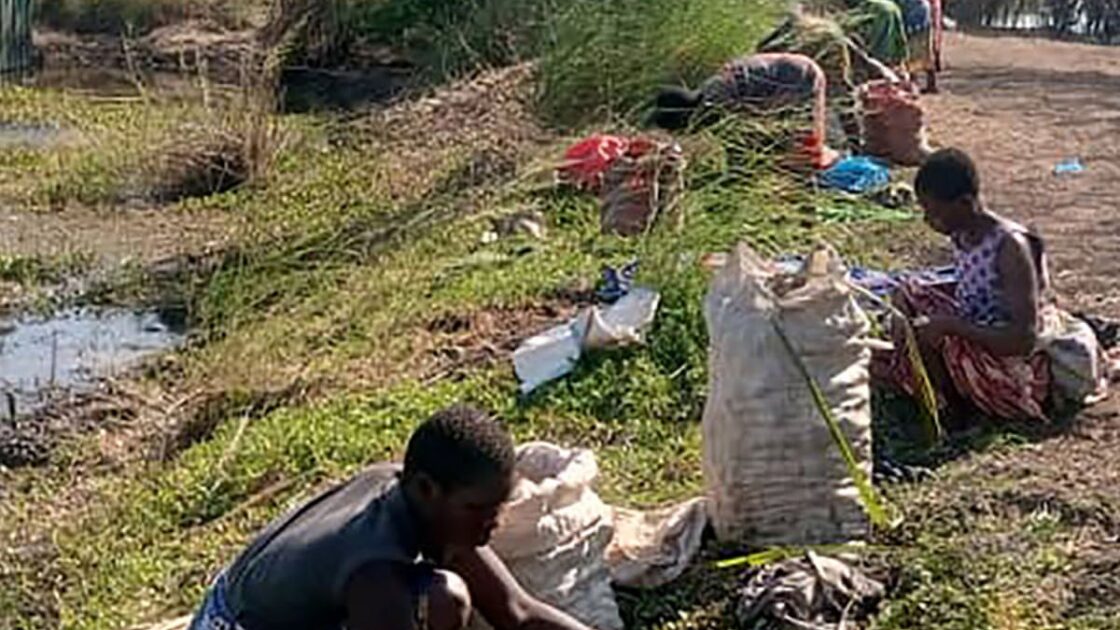
In the Chikwawa district villages of Maseya and Kasisi, women search through the heavy silt for the bulbous roots while keeping watch for Nile crocodiles. Beatrice Maseko, a 34-year-old mother of four, spends up to five hours a day searching the marsh. She noted that people risk their lives because the alternative is going without food, stating that while crocodiles are a possibility, hunger is a certainty.
The danger is well documented in the local area. In 2024, a 28-year-old named Isaac Kenneth was attacked and dragged under by a crocodile while harvesting in the same waters. Although fellow foragers pulled him free, he sustained a broken ankle and deep puncture wounds.
While nyika foraging has historically served as a survival tactic during severe food crises, its frequency has shifted dramatically. What was once restricted to extreme drought years has now transformed into a weekly, commercial necessity for households across Malawi’s flood-prone southern lowlands as extreme weather, rising food prices, and weak support systems limit access to basic nutrition.
Market Pressures and Maize Shortages
Twice a week, vendors gather at Sorgin Market to sell plastic basins filled with mud-encrusted lily bulbs. For families priced out of the maize market, a single basin provides three days of basic sustenance, with the roots typically boiled, dried, and pounded into a gritty flour for porridge. A small basin sells for roughly 2,500 Malawian kwacha, equivalent to about £1.10.
The state-backed Agricultural Development and Marketing Corporation is mandated to stabilize markets by buying maize at fixed prices, but funding shortfalls, warehouse losses, and logistical bottlenecks frequently leave public supplies heavily rationed or unavailable. In July, the agency sold 50kg bags of maize at 39,500 kwacha with a 20kg purchase limit to prevent hoarding. Meanwhile, open market prices have soared between 69,000 and 72,000 kwacha per bag, placing them far beyond the reach of rural households.
These shortages stem from a combination of economic and weather shocks, including regional El Niño conditions that damaged maize crops, a weakened local currency, high fuel expenses, and prohibitive fertilizer costs.
Environmental Changes and Official Response
Environmental factors have further amplified the risk in the lower Shire basin. Upstream heavy rainfall pushed Lake Malawi’s water levels to decades-long highs, reaching 475 meters above sea level by early 2026. Authorities regulating the Kamuzu barrage in Liwonde have released massive volumes of water into the Shire system to protect upstream infrastructure, causing lower river stretches to flood and pushing crocodiles into expanded marsh zones.
Levious Mafuta, the environmental officer for Chikwawa district, reported that crocodile encounters and attacks have surged over the past two years as desperate foragers push into deeper channels. Mafuta explained that economic pressures drive people into dangerous waters while logistical shortages in field equipment and vehicles hamper the district’s response capacity.
As daylight fades, Maseko prepares to make the long walk home with her heavy sack, facing the daily calculation between the known risk of the river predator and the unavoidable reality of hunger.