Table of Contents
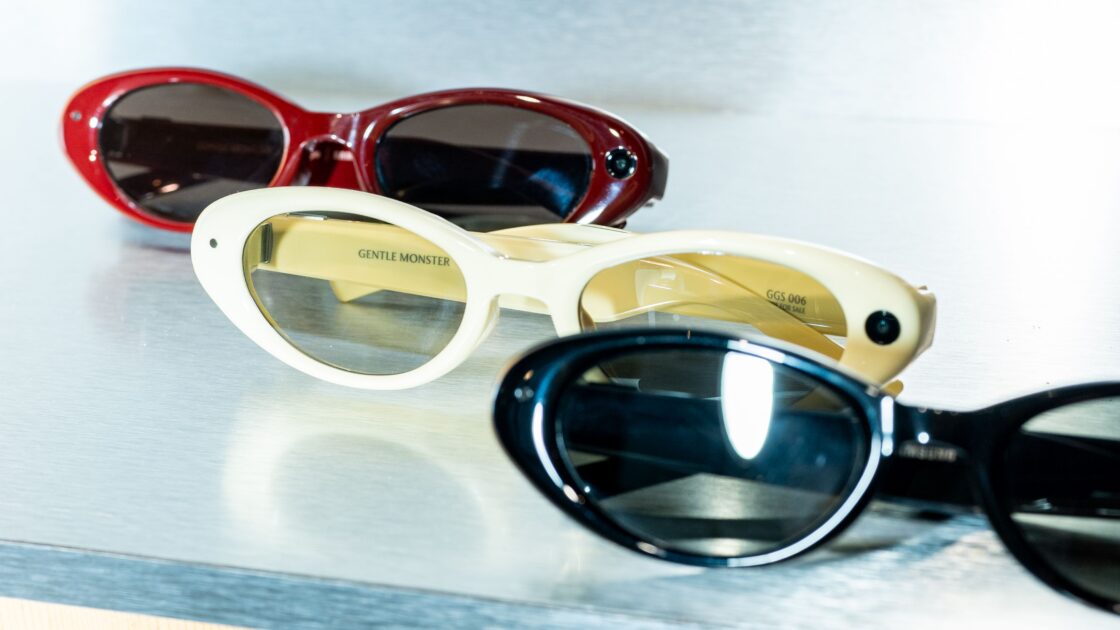
Google is launching its first Android XR Intelligent Eyewear, developed in partnership with Samsung, Warby Parker, and Gentle Monster, with preorders now open and sales beginning December 10. The company is positioning these devices as a privacy-conscious alternative to existing smart glasses, aiming to mitigate public concerns about intrusive recording technology.
Privacy-Focused Design and AI Features
Juston Payne, Google’s senior director of product management for XR, stated that the company is prioritizing AI privacy through deliberate design choices. The glasses include a physical power switch for complete deactivation and a recording light that activates during photo or video capture, with video length capped at 90 seconds.
Google has outlined several specific measures to protect user and bystander data:
- Camera Visuals: When users interact with Gemini, visual data is not saved to the user’s history, nor is it used for AI training or ad targeting. Data is encrypted on the device and during transit, with plans to implement Private AI Compute technology for secure processing.
- App Access: Third-party applications must request camera permission, which users can revoke. The Google Play Store will block apps from performing real-time face recognition, social livestreaming, or altering the behavior of the recording LED.
- Tamper Protection: The system can detect if the indicator light is being covered or tampered with, and will prevent the device from capturing media if the light is not functioning correctly.
- Bystander Protections: The image-processing pipeline redacts faces in the background before Gemini processes visual data. Additionally, directional microphones and a noise-cancellation process are designed to capture only the user’s voice, preventing nearby conversations from being sent to Gemini.
Enforcement and Industry Standards
Google has established strict terms of service for users, requiring them to agree not to record in sensitive locations or without consent. Violating these terms can result in the loss of access to the device. Furthermore, the company is banning the sale and advertising of accessories intended to hide recording lights and is ensuring that YouTube enforces existing policies against harassment and non-consensual content.
Payne expressed hope that these measures will set a new industry standard. “We hope that never again do glasses launch from some other company that doesn’t have good algorithms built in,” he told WIRED.
Expert Perspectives on Surveillance
While privacy experts acknowledge Google’s efforts to avoid the pitfalls faced by other companies, some remain skeptical about the normalization of camera-equipped eyewear. Reem Suleiman, senior campaign director at Fight for the Future, argued that such devices remain a potential tool for mass surveillance, noting that consent is difficult to manage in public spaces.
Janusz Swierczynski, a researcher at the University of Oxford’s Saïd Business School, told WIRED that while Google’s measures are meaningful, they primarily focus on individual privacy rather than the broader impact on bystanders. He emphasized that as technology outpaces policy, social norms regarding acceptable recording behavior remain a critical factor in protecting public privacy.
Payne emphasized that transparency is essential for rebuilding trust. He noted that by making clear, declarative statements about device functionality, the company aims to provide a product that users can feel comfortable wearing in public.