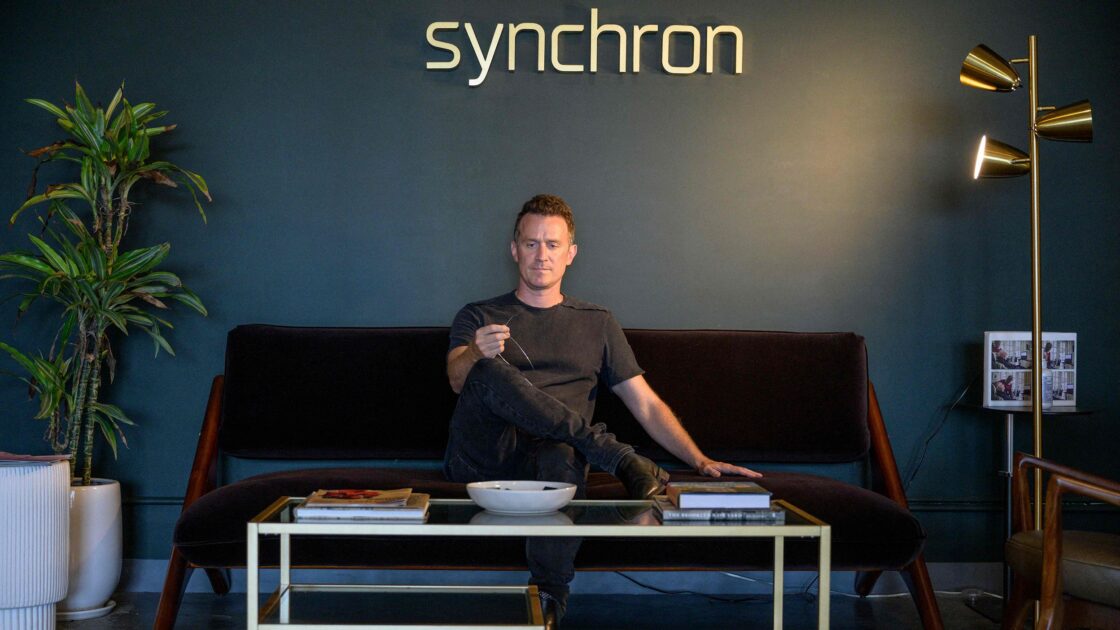
Synchron, a Brooklyn-based startup developing brain-computer interface technology, has paused enrollment in its clinical trials following performance issues with its second-generation device. The company, which competes with Elon Musk’s Neuralink, is also undergoing a restructuring process that involves cutting jobs, scaling back its New York presence, and expanding a team in San Diego.
Trials Paused Due to Lead Cable Issues
Synchron’s second-generation device is fully wireless and connects using Bluetooth. The company launched a multisite trial in the United States this spring, alongside partner sites in Australia and Canada, to evaluate the newer version of the Stentrode, with some participants already having received the implant.
According to sources familiar with the trials who spoke anonymously to WIRED, trial enrollment was recently paused because the hardware is not functioning as intended. Two of the five US trial sites contacted by WIRED confirmed that patient recruitment is currently on hold. A coordinator at one of the locations stated that the pause was unrelated to safety and occurred because Synchron is reviewing the device to ensure optimal signal readouts.
In a statement reported by WIRED, Synchron confirmed that it voluntarily halted enrollment after identifying a performance issue concerning the lead, which is the cable responsible for carrying signals from the Stentrode to the implanted electronics. The company emphasized that the problem does not affect the Stentrode itself and that no safety issues have been identified. Furthermore, the decision was made independently by the company rather than being directed by the US Fooding and Drug Administration.
Synchron announced that it has brought lead design and manufacturing in-house. Instead of solely repairing the lead, the company is upgrading the entire Stentrode system and plans to restart trial recruitment once the hardware improvements are finished. The company also stated that it will continue providing lifetime support to participants with existing Stentrode devices.
Company Restructuring and Industry Context
These clinical trials are essential for Synchron to progress toward a larger pivotal trial required by the FDA for commercial marketing approval. CEO Tom Oxley expressed confidence in the technology, stating that the company still strongly believes the Stentrode has the potential to serve as a first-line therapy.
To support the development of an entirely new device, Synchron is building a team in San Diego while reducing its footprint in New York and cutting jobs. Job listings on the company website and LinkedIn page indicate around a dozen open positions in San Diego, including roles for electrical and mechanical engineers, materials scientists, and microchip designers. The San Diego personnel will handle the design and production of the upgraded lead and Stentrode, as well as a separate, unannounced device designed to reach beyond blood vessels altogether. Oxley previously told WIRED that the firm plans to build a system capable of reaching multiple brain regions simultaneously to enable more complex functions.
Synchron’s technology works by inserting a mesh tube into the jugular vein via catheter, guiding it to rest on the motor cortex without requiring brain surgery. The company’s first-generation device utilized an external wire on the user’s chest, allowing ten volunteers in the US and Australia to browse the internet, send messages, and operate devices like Amazon Alexa and Apple’s iPad and Vision Pro using only their thoughts. Following a funding round last autumn, Synchron was estimated to hold a valuation close to $1 billion with backing from Khosla Ventures alongside the venture firms of Bill Gates and Jeff Bezos.
The wider brain-computer interface sector is growing rapidly, with substantial investments flowing into both implanted systems and wearables. Competitor Neuralink reached a valuation as high as $42 billion in secondary market transactions over the summer, though it faced early hardware hurdles in 2024 when several tiny wires pulled away from the brain of its first trial participant, Noland Arbaugh, resulting in a temporary loss of cursor control that was later resolved by modifying the recording algorithm.
Meanwhile, artificial intelligence advancements are accelerating brain-computer interface development by processing brain patterns faster than traditional methods. Merge Labs, a brain-computer interface firm cofounded by OpenAI CEO Sam Altman, launched in January with $252 million in funding, including backing from OpenAI alongside a partnership to build AI models. While these experimental devices offer significant potential for individuals with severe motor disorders, Synchron’s recent setback highlights the challenges remaining before such systems become commercially available.