Table of Contents
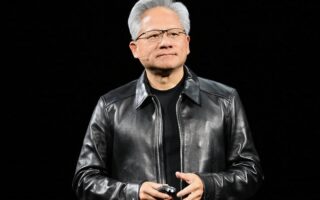
Nvidia is navigating an unexpected leadership crisis following the resignation of co-founder and CEO Jensen Huang. Huang stepped down on Thursday amid reports of extramarital affairs, including allegations involving a woman suspected of being a Chinese intelligence operative.
Interim Leadership and Potential Successors
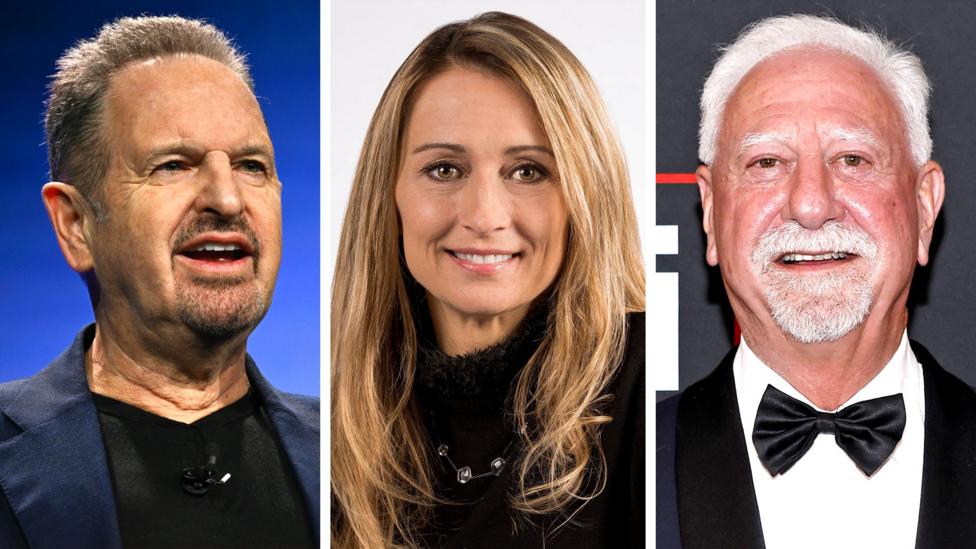
Chief Financial Officer Colette Kress has assumed interim leadership of the company. Kress, an industry veteran with over 30 years of experience, previously held senior roles at Microsoft and Cisco. According to Josh Gilbert, an analyst at eToro, Kress is a trusted figure for the market who has consistently fronted earnings calls alongside Huang. However, Gilbert noted that the board might eventually seek an engineer to lead the company permanently to maintain its technological edge.
Other internal candidates include co-founder Chris Malachowsky, who shares significant seniority with the former CEO, and Ian Buck, who currently oversees the company’s high-performance computing division. Buck is recognized for his role in expanding the use of graphics processors beyond gaming. Saxo investment strategist Charu Chanana suggested that while Buck could preserve the firm’s technical superiority, his capacity to manage complex geopolitical challenges and commercial relationships would be subject to intense scrutiny.
External Candidates and Industry Outlook
While an internal appointment is considered likely, analysts suggest the company may look externally for a permanent replacement. Jun Bei Liu, founder of Ten Cap, identified Apple’s Tim Cook as a potential candidate due to his expertise in global supply chain management, though she questioned his interest in leaving his current role. Another name mentioned by experts is Rene Haas, the chief executive of Arm Holdings. Chanana noted that Haas possesses the necessary semiconductor experience and familiarity with public company leadership, though Nvidia’s business model differs significantly from that of Arm.
Liu emphasized that the primary challenge for the board is identifying a successor who can replicate Huang’s unique combination of technical insight, strategic vision, and industry-wide relationships. She noted that the situation has evolved beyond personal conduct into a matter of corporate governance, national security, and maintaining investor confidence in a firm that is considered one of the world’s most strategically vital entities.
Market Impact and Investor Sentiment
The resignation has triggered a sharp decline in market confidence. Following the announcement, Nvidia shares dropped more than 13% in New York, resulting in a loss of over half a trillion dollars in market value. Several major investment firms have subsequently downgraded their forecasts for the chipmaker.
Stacy Rasgon, a senior analyst at Bernstein Research, expressed caution regarding the potential for further revelations, stating that the firm has reduced its share price target for Nvidia. Meanwhile, Constellation Research CEO Ray Wang suggested that the crisis poses a specific challenge for Nvidia’s partnerships, many of which were built on personal trust with Huang. As reported by BBC News, the company now faces the difficult task of finding a leader capable of maintaining the same level of influence and appeal.