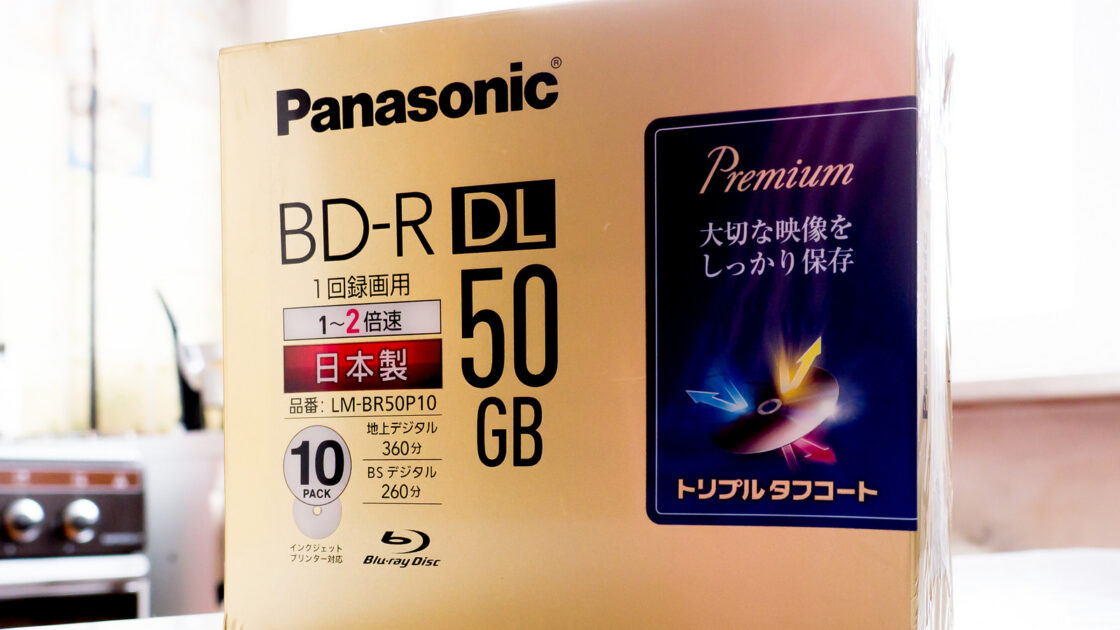
Blu-ray remains a preferred format for cinephiles and offers an affordable way to archive files as flash memory prices rise. However, ensuring data safety depends on understanding disc longevity and potential vulnerabilities.
Lifespan and Threats to Blu-ray Discs
The primary threat to the longevity of Blu-ray discs is disc rot, a general term encompassing various forms of physical and chemical decay. Oxidation can gradually damage the reflective layer, while moisture can attract mold or cause the layers to separate. Additionally, ultraviolet light exposure can cause disc labels to fade. Visible warning signs of rot include spots or discoloration before a disc is even played.
Data from the Canadian Conservation Institute indicates that inexpensive BD-R discs typically last between five and 10 years on average. These lower-quality options are generally unsuitable for archival projects because external solid-state drives can match that timeframe while holding significantly more data, given that maximum BD-R capacity tops out at 128GB.
Manufacturing quality significantly alters these estimates. Higher-quality BD-Rs replace the dye recording layer with a silicon and copper alloy, identifiable by a dark gray or grayish-brown appearance, and often incorporate a gold metal layer. According to the Canadian Conservation Institute, these premium discs achieve twice the lifespan, lasting between 10 and 20 years.
Rewritable BD-RE discs offer even greater durability, potentially lasting from 20 to 50 years. While this extended timeframe could allow owners to pass them down to descendants, other external factors may still discourage relying on the format over such long periods.
Drawbacks of Long-Term Blu-ray Storage
Physical fragility presents a major drawback for optical discs. Although storing discs in cool, dark, and dry environments helps prevent rot, accidental scratches or cracks can easily render a disc unreadable. In contrast, many external SSDs feature durable metal enclosures that protect against physical damage, whereas a forgotten box of discs can be easily ruined during a move.
Industry support poses an even greater long-term concern as optical drives disappear as standard computer components and manufacturers, including Sony, gradually exit the market for external burners and media. While online shopping still yields burners and discs currently, future hardware production remains uncertain over a 10- to 20-year horizon. An immaculately preserved collection could ultimately become inaccessible if compatible hardware or software drivers for newer operating systems cease to exist.
Experts recommend avoiding complete reliance on a single storage medium for critical files. The current standard practice involves maintaining one cloud copy alongside two separate local storage formats. Although this approach is not always practical, users should always remain prepared to migrate files to newer media.