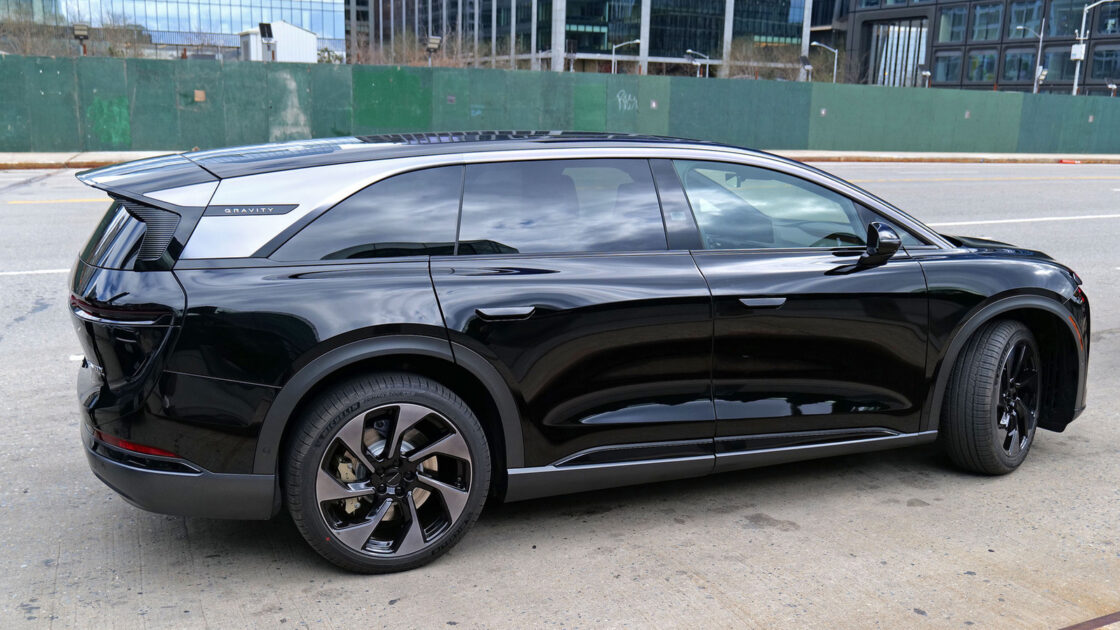
Lucid, a California-based electric vehicle manufacturer known for producing luxury models such as the Air and Gravity, explained that inventory control failures led to its third-quarter earnings underperformance. During an earnings call, CEO Silvio Napoli stated that the company occasionally lost track of its vehicle locations, resulting in delivery delays of up to two weeks that caused impatient buyers to cancel their orders.
Logistics Challenges and Market Impact
The inventory difficulties occurred despite the company producing a relatively small volume of vehicles. Lucid manufactured 2,954 units and delivered 3,806 during the previous quarter, representing a seven percent decrease compared to the same period the previous year. Although producing fewer cars than it sold allowed the company to lower inventory levels, it still held $1.22 billion worth of inventory on its books at the conclusion of September.
The shipping disruptions mirror the challenges Tesla experienced while scaling up production of the Model 3. Tesla implemented drastic measures to overcome supply chain hurdles, eventually experiencing a surge in sales once those problems were resolved.
Future Outlook and Financial Status
Napoli expressed optimism that recent improvements to shipping operations will yield comparable positive results by enabling the commercial division to guarantee vehicle availability for customers. This enhancement, combined with an expanding US electric vehicle market driven by elevated fuel prices and a recent partnership with robotaxi firm Bolt, gives the company positive expectations for the second half of 2026.
Addressing supply chain difficulties, however, does not resolve additional challenges facing the automaker, including customer service complaints and quality control concerns. Furthermore, the company reported a net loss of $831 million on $350 million in revenue during the quarter, driven by production costs that significantly exceed the retail price of each vehicle. Despite these financial losses, the primary investor, the Saudi Public Investment Fund, provided an additional $1.75 billion in funding to support the automaker.