Table of Contents
The average transaction cost for a new vehicle in the United States has climbed to a record high of $51,109. According to a report from Kelley Blue Book, part of Cox Automotive, the new figure surpasses the previous record set in December 2025 by about $500.
Slowing Price Growth and Borrowing Costs
While the $51,109 price tag marks an all-time high, it represents a modest 2.1% increase over the past year. Erin Keating, an executive analyst at Cox Automotive and co-author of the report, noted that this year-over-year increase sits below inflation, contrasting with the 3.4% annual growth rate recorded between 2012 and 2021.
The Kelley Blue Book figure reflects the actual amount buyers pay after factoring in sticker prices, add-on features, and dealer discounts. However, the calculation excludes auto loan interest. With the Federal Reserve maintaining high interest rates, borrowing costs have climbed, with auto loan rates reaching about 11% for used vehicles and over 7% for new ones, according to Edmunds.
Keating explained that these high interest rates create sticker shock, as a larger portion of monthly payments now goes toward interest rather than the principal balance. This financial pressure is particularly evident in how buyers finance their purchases. Data from Edmunds shows that car buyers took out loans averaging $44,664 in the past quarter, with more than a quarter opting for loan terms of 84 months or longer alongside lower down payments.
Used Car Prices and Manufacturing Shifts
The rising cost trend extends to the secondary market. Ivan Drury, director of industry insights at Edmunds, reported that the average used car now costs close to $27,000, which is 6% higher than the previous year. Low inventory resulting from pandemic-era supply chain challenges, semiconductor shortages, and prioritized production of highly profitable models has left fewer used vehicles on lots.
Drury noted that while existing car owners benefit from trade-in equity, first-time buyers face a difficult environment with steep down payments and no trade-in options. Production costs have also been driven up by tariffs on steel, aluminum, and Canadian imports, alongside rising expenses for computer chips and copper due to competing demand from data centers.
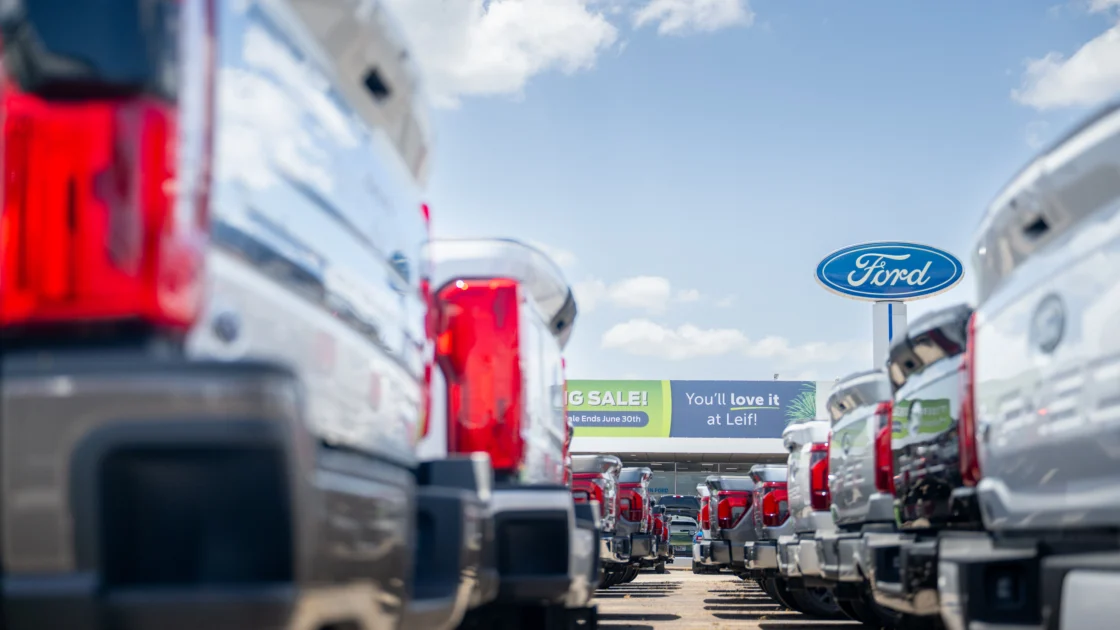
Furthermore, American automakers have largely shifted away from compact sedans to focus on larger vehicles, SUVs, and trucks, which offer higher profit margins. The average sticker price for a full-size pickup truck is approaching $72,000. Drury added that consumers increasingly demand mid-to-upper trim levels equipped with advanced features like 360-degree cameras, heated seats, and parking assist systems.
Automaker Pressures and Demographic Shifts
Automakers face mounting pressures from rising production costs and heavy investments in electric vehicle technology, though EVs still comprise only about 6% of U.S. sales, according to Edmunds. Meanwhile, the annual pool of new car buyers remains smaller at roughly 16 million people, about 1 million fewer than before the pandemic.
Keating pointed out that fewer individuals in their late 30s and early 40s are buying new cars, likely choosing to hold onto their existing vehicles longer due to household financial pressures. Instead, the primary buyers of new vehicles tend to be older and wealthier, supported by a growing trend of individuals aged 65 and older retaining their driver’s licenses and purchasing cars.
With a shrinking buyer pool, automakers find themselves competing more intensely for sales within a stagnant market. Keating stated that competitors are primarily trying to steal market share from one another rather than relying on an influx of new consumers.