Table of Contents
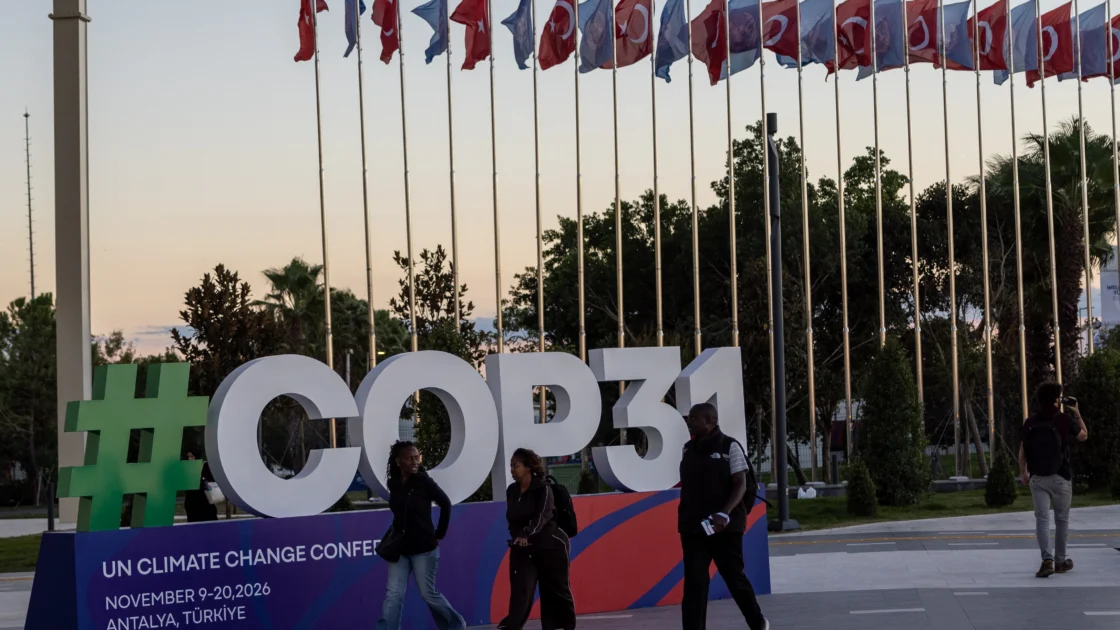
World leaders have gathered in Antalya, Turkey, for the annual United Nations climate conference, known as COP31, running from November 9 to 20. The ongoing conflict involving the U.S., Israel, and Iran is casting a shadow over the negotiations, creating a global energy crisis marked by the closure of the Strait of Hormuz and soaring oil and gas prices.
The Rise of Clean Energy Solutions
Kingsmill Bond, an analyst at the energy think tank Ember, told NPR that this global energy shock differs from past crises in the 1970s and 2022 because affordable solutions now exist. The Iran war has driven nations to embrace clean energy technologies like solar panels, batteries, and electric vehicles, largely manufactured in China, to secure economic stability and lower emissions.
Bond explained that this economic advantage will encourage broader support for change at the conference. The main target set for COP31 is raising the global electrification rate from approximately 23% today to roughly 35% by 2035, summarized by the mantra “35 by ’35.”
Li Shuo, director of the China Climate Hub at the Asia Society Policy Institute, stated that expanding green energy sources such as solar and wind will accelerate decarbonization because renewable projects are increasingly more cost-competitive than coal and natural gas.
Push for a Fossil Fuel Phase-Out Roadmap
Criticism has persisted that the 31-year-old U.N. process fails to adequately target the primary driver of climate change: burning fossil fuels. Fossil fuel-producing nations like Russia and Saudi Arabia continually resist including language about fossil fuels in official agreements.
In April, over 50 nations gathered at the First International Conference to Transition Away from Fossil Fuels to discuss phasing out oil, gas, and coal, serving as a complement to the U.N. framework. More than 25 of those countries are currently drafting a legally binding treaty to advance the phase-out, with supporters hoping to attract more members at COP31.
The United States Absence and Democratic Lawmakers
The U.S. State Department confirmed to NPR via email that no official delegation is attending COP31, following a similar absence at last year’s conference in Brazil. The Trump administration has actively rolled back climate initiatives by cutting subsidies for renewables, easing greenhouse gas regulations, and freezing renewable projects.
During last year’s talks, Vanuatu’s minister of climate change, Ralph Regenvanu, told NPR that the absence of the Trump administration was viewed positively by some nations because it removed a resistant voice from the negotiations. However, a delegation of democratic lawmakers, including Rhode Island Senator Sheldon Whitehouse, is attending.
Following recent midterm victories, Whitehouse stated that he and his fellow lawmakers intend to keep discussions centered on fossil fuels and a potential carbon pricing mechanism. Whitehouse stated, “It cannot remain free for the fossil fuel industry to pollute if we want to have any chance of a pathway to climate safety.”