Table of Contents
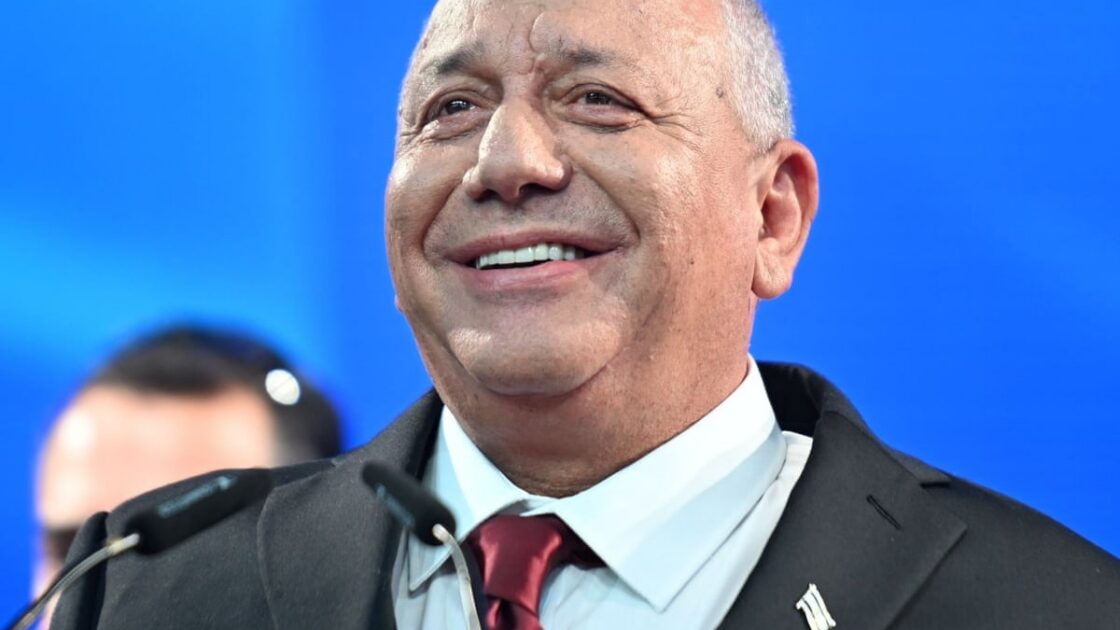
Israel’s president has chosen Gadi Eisenkot, the primary rival of Prime Minister Benjamin Netanyahu, to attempt to form a new government following a deadlocked election that left neither leader with a clear path to power.
The Coalition Deadlock and Appointment
Isaac Herzog’s office announced on Saturday night that the president informed Eisenkot, leader of the Yashar party, of his intention to task him with forming a government. The formal appointment was scheduled for an official ceremony on Sunday at the president’s residence in Jerusalem.
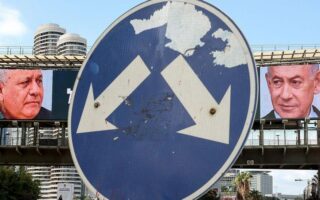
Netanyahu has been fighting to hold office after his religious-nationalist coalition lost its majority in the October 27 election, though his bloc still emerged as the largest in parliament. Eisenkot’s opposition bloc secured 48 of the 120 parliamentary seats, while Netanyahu’s camp won 53.
During party consultations with Herzog, Eisenkot received endorsements from both Arab-majority lists, positioning them as potential kingmakers. Eisenkot stated on X that it is time to form a national emergency government and that he will do everything to ensure they are worthy.
Challenges and Coalition Options
Eisenkot faces substantial hurdles to becoming prime minister, with three primary options: a power-sharing agreement with Netanyahu, backing from Arab-led parties—which faces opposition within his own bloc—or an agreement with ultra-Orthodox parties demanding military exemptions.
Eisenkot has outlined conditions for Arab parties to join his coalition, including recognizing Israel as a Jewish state and declaring Hamas a terrorist organization. Meanwhile, his conservative partner, the Yisrael Beiteinu party, stated it will not join any coalition featuring Arab-led parties.
Eisenkot and his allies campaigned on equal military service, seeking to end long-standing draft exemptions for the ultra-Orthodox community. Conversely, Netanyahu has claimed the election was stolen by Arab parties and labeled any alliance with them an act of betrayal, though he offered little evidence for his claims.
Security and Political Stance
Israel’s Shin Bet security agency opened an investigation into potential foreign interference in the vote, though the Central Elections Committee and Herzog affirmed the election was valid and any wrongdoing did not significantly affect the outcome.
Netanyahu called for a national unity government with Eisenkot on Saturday night, though it remains uncertain if the rivals can agree on a fragile power-sharing arrangement. Eisenkot, who served as military chief of staff from 2015 to 2019, aims to unite Israelis following Netanyahu’s tenure, which shifted the country sharply to the right.
Eisenkot has promised to crack down on extremist West Bank settlers attacking Palestinians, describing recent incidents as Jewish terror supported by Netanyahu’s government. However, he opposes the creation of a Palestinian state and has vowed to eliminate Hamas rule and military capacity in Gaza. During the 2006 war with Hezbollah, he developed the Dahiya doctrine, which involves deploying massive force against civilian infrastructure in areas controlled by the Lebanese militant movement.
Upon his appointment, Eisenkot will have 28 days to secure the 61 votes required to establish a government, with a potential 14-day extension from Herzog if needed before the mandate shifts elsewhere.