Table of Contents
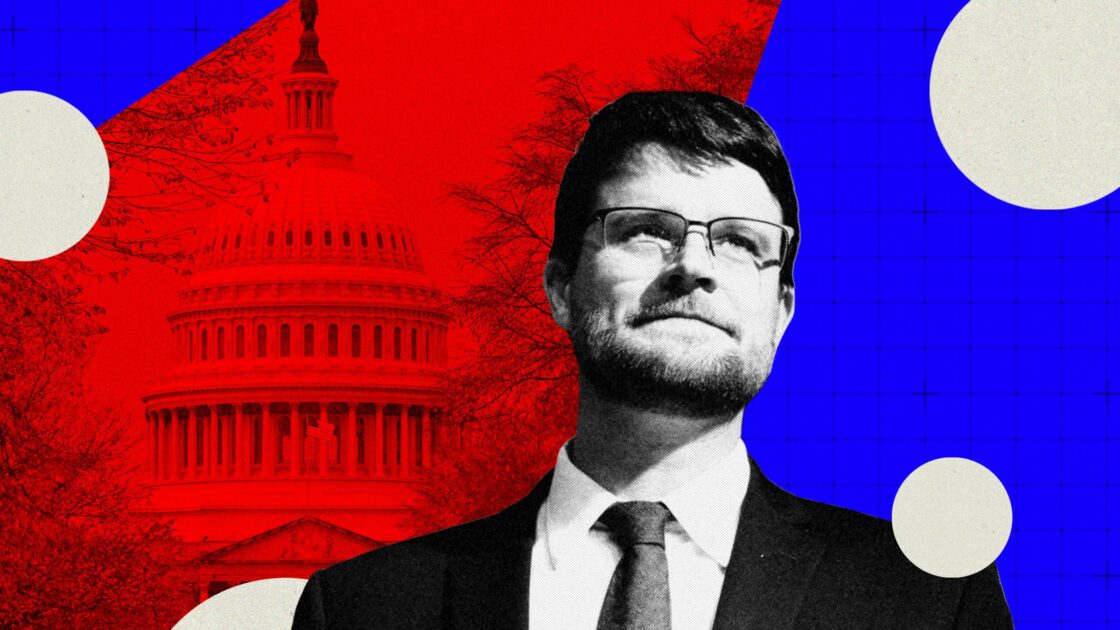
Will Lawrence, a former member of the Democratic Socialists of America and co-founder of the Sunrise Movement, built his congressional campaign around opposition to data centers. His platform helped him win a competitive primary in Michigan’s 7th Congressional District, and he subsequently defeated incumbent Republican Tom Barrett in one of the most expensive House races in the United States, despite facing $340,000 in opposition spending from Elon Musk’s America PAC.
Campaigning Against Data Centers and Economic Inequality
Discussing the election with WIRED, Lawrence stated that data centers directly address voter concerns regarding living costs and corruption in the economy. He criticized the facilities for consuming tax breaks and water, threatening home values, and potentially demanding two to three times the total grid capacity in Michigan.
Lawrence argued that these projects advance because the political and economic systems favor mega corporations over local communities, noting that Silicon Valley companies have challenged local oversight in court. He asserted that relying on individual communities to fight separate projects demonstrates a lack of economic democracy.
Response to Tech Company Commitments and New Projects
When asked about recent transparency and water-use commitments from tech firms like OpenAI, Lawrence said he has not reviewed the specific proposals, though he noted that feeling pressure is a positive sign. He described current industry offerings as inadequate for restoring public trust.
Lawrence pointed to a newly proposed hyperscale data center in Delhi Township, Michigan, announced just before the election. Despite a developer’s promise of a six-month community engagement process, an emergency township meeting drew roughly 250 residents who rejected the proposal, indicating that companies face significant hurdles to change public opinion. Lawrence added that he has not spoken with any tech companies.
Policy Plans in Washington
Looking ahead to his term in Washington starting in January, Lawrence stated he will pursue a federal data center moratorium alongside a pause on advanced artificial intelligence development, arguing that current risks outweigh benefits. He confirmed this safety pause would mirror proposals by Senator Bernie Sanders, ensuring protections for both people and the planet.
Lawrence also expressed support for using congressional oversight and investigatory powers against Silicon Valley firms. He compared tech development to the automotive industry, arguing that deploying AI products with severe potential hazards constitutes reckless endangerment under consumer protection standards and warrants investigations and lawsuits.
Meanwhile, WIRED and other outlets reported broadly on the aftermath of the election, noting that voters favor data center regulations, tech companies are exploring alternative locations including space, and environmental groups are engaging tech firms on standards. Additional reports highlighted potential conflicts of interest for interior secretary Doug Burgum regarding public land build-outs, and anti-data-center protests at a Microsoft construction site in Amsterdam.