Table of Contents
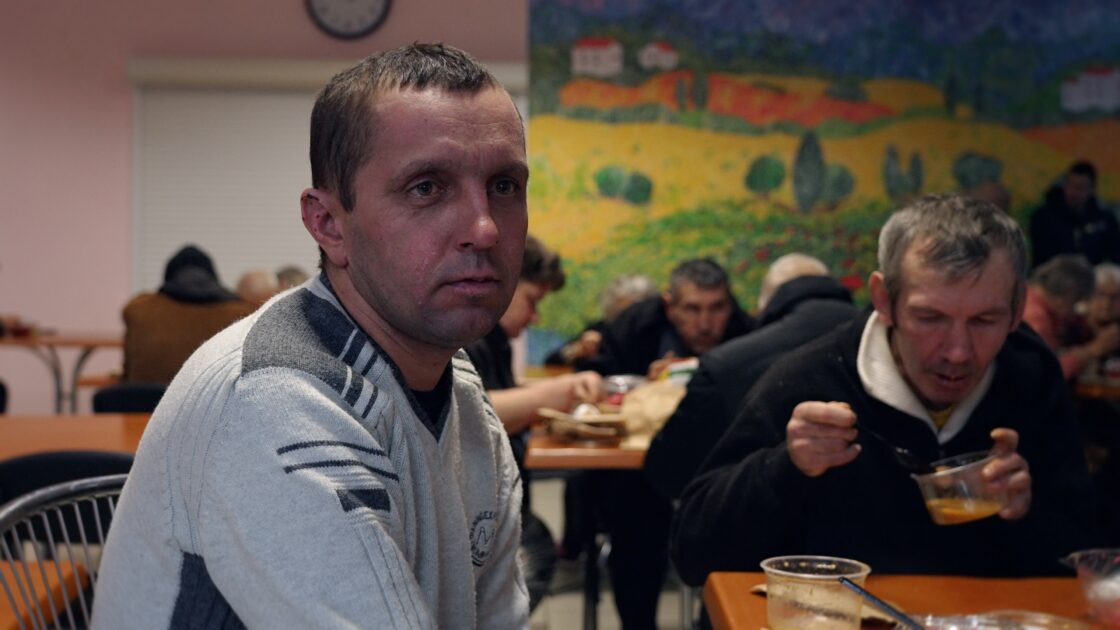
Only eight people remained in Volodymyr’s village before he decided to flee following a relentless wave of attacks. Now staying at a shelter for displaced people in Zaporizhzhia, he recounted how drone bombings forced him to escape his home in Preobrazhenka, located just over 40 kilometers away.
Escalating Attacks Across the Region
Villages south of Zaporizhzhia are facing increasingly severe Russian assaults. On November 2, nine Russian glide bombs struck the town of Komyshuvakha in one of the deadliest attacks of the year, killing at least 50 people who had gathered to receive humanitarian aid at a local school, while several others remain missing under the rubble.
The constant threat of aerial bombardment has made daily life nearly impossible. Over the past three years, the conflict has demonstrated that military forces no longer require boots on the ground to devastate communities.
The appearance of Russian First-Person-View drones overhead frequently signals the gradual advance of Russian infantry. Footage shows these drones deliberately targeting civilian vehicles and pedestrians, a tactic previously documented in cities like Kherson, Kramatorsk, and Sloviansk.
Local Defenses and Evacuation Preparations
Zaporizhzhia is now displaying identical warning signs. City authorities have installed anti-drone netting over streets and civilian infrastructure in the Cosmos neighborhood, though boarded-up windows and damaged buildings highlight the challenges of mitigating the aerial threat.
Denys Knysh, an official with the regional military administration, stated that authorities are preparing to relocate the shelter where Volodymyr resides to a different neighborhood if conditions deteriorate further. Many shelter residents are elderly, have limited mobility, or lack necessary documents, complicating potential evacuations.
Other residents choose to remain in Zaporizhzhia to stay close to their former homes in hopes that the war will eventually end. Since the conflict began, the city has sheltered thousands of displaced individuals from occupied cities such as Mariupol and Melitopol. Now, worsening security forces some who previously sought refuge there to contemplate leaving once more.
Coping With Daily Danger
Alina, a local flower shop worker positioned beneath protective drone netting, told Al Jazeera that she hears the buzz of Russian drones nearly every day and acknowledges she might eventually have to leave, though she wishes to stay.
Along the Pryberezhna Highway running alongside the river, petrol stations and businesses are similarly covered in protective netting. Nataliia, a petrol station employee, described the situation as terrifying and dangerous, noting that a drone flew overhead earlier that same day.
Earlier that day, Russian Banderol jet-powered cruise missiles struck a shopping mall and the city’s main bridge, while an FPV drone hit a city bus. Despite the violence, Zaporizhzhia retains pockets of normality, with festive lights hanging over restaurant terraces and active streets.
However, the transition remains gradual as residents adapt to continuous threats by installing street nets, mounting drone jammers on city buses, and even carrying drone detectors. Knysh told Al Jazeera that calculating the exact population remaining in the city is very difficult because people leave daily, making demographic data inaccurate.