Extreme weather events are becoming increasingly frequent and severe across the globe, driven by human activities such as the combustion of fossil fuels. Rising temperatures are fundamentally altering weather patterns, leading to more intense heat, heavier rainfall, prolonged droughts, and more dangerous wildfire conditions.
Hotter, Longer Heatwaves
Even minor increases in average global temperatures significantly shift the likelihood of extreme heat. Scientists utilize computer models to compare current conditions—which include approximately 1.4C of human-caused warming—against a hypothetical world without such influence to determine how much climate change impacts specific events.
The UK experienced its hottest summer on record in 2026, with the Met Office reporting that climate change made the season 130 times more likely. During this period, the country endured five widespread heatwaves, totaling 40 days where temperatures exceeded 30C. Dr. Mark McCarthy, head of climate attribution at the Met Office, characterized the summer as “remarkable” and warned that such events will grow more common as the planet warms.
The World Weather Attribution (WWA) group also linked climate change to intensified heatwaves globally this year, including Australia’s worst heatwave in six years, 45C temperatures in India, and deadly heat in Europe. These events are often exacerbated by “heat domes,” where high-pressure systems trap hot air over a region for extended periods. Some theories suggest that rapid warming in the Arctic may be disrupting the jet stream, potentially increasing the frequency of these heat domes.
More Extreme Rain
As air temperatures rise, the atmosphere’s capacity to hold moisture increases by approximately 7% for every 1C of warming. This additional moisture leads to heavier rainfall. While the Met Office notes that UK winters between 2016 and 2025 were 13% wetter than those from 1961 to 1990, scientists caution that high annual variability makes long-term trends difficult to isolate from a single decade.
On a global scale, the UN’s Intergovernmental Panel on Climate Change (IPCC) reports that heavy rainfall events have become more frequent and intense across most land regions due to human activity. For instance, researchers at the WWA found that climate change increased the extreme rainfall associated with Hurricane Melissa, which struck the Caribbean in October 2025, by 16%.
Longer Droughts
Attributing specific droughts to climate change is complex due to the influence of natural weather systems like El Niño. However, global warming is shifting rainfall patterns, leaving some regions drier and more susceptible to water shortages. Furthermore, heatwaves intensify drought by accelerating soil evaporation, which raises air temperatures and increases water demand from sectors like agriculture.
The EU’s Joint Research Centre reported that climate-driven heatwaves worsened drought conditions across Europe this summer, pushing major rivers like the Loire, Po, Rhine, and Danube to record low levels. In the UK, severe drought was declared across Wales and two-thirds of England. Additionally, the WWA found that global warming made extreme dry conditions 40% more likely in Jamaica and 30% more likely in Puerto Rico starting in May 2026.
More Fuel for Wildfires
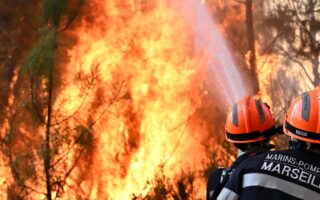
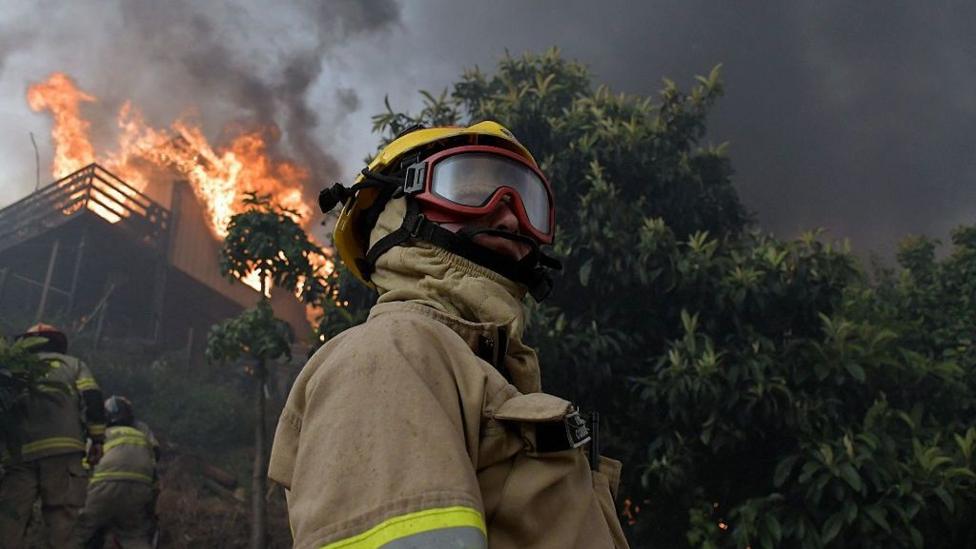
While wildfires are influenced by land-use changes, the IPCC states that climate change is increasing the conditions necessary for fires to spread. Extreme, prolonged heat dries out vegetation and soil, creating “tinder-dry” conditions that allow fires to spread rapidly, especially during high winds. In January 2026, climate change increased the area burned by fires in Chile and Argentina by approximately 36%.
Canada also faced a severe wildfire season, with the WWA noting that climate change made the conditions enabling the spread of these fires twice as likely. Beyond human-started fires, rising temperatures may increase lightning strikes, further triggering blazes. The UN Environment Programme (UNEP) projects that the most extreme wildfires could increase by up to 50% by 2100. In the UK, 2026 was the second-worst year for wildfires on record, with two fires in Stourbridge destroying 19 homes on the year’s hottest day.