Table of Contents
The 2026 midterm elections saw a significant shift in power toward Democrats alongside a widespread voter rejection of artificial intelligence and the data centers supplying its computing power. Data center supporters had heavily backed President Donald Trump and Republican candidates, with xAI CEO Elon Musk pouring hundreds of millions of dollars into Texas midterm races to benefit the industry.
Direct Voter Opposition at the Ballot Box
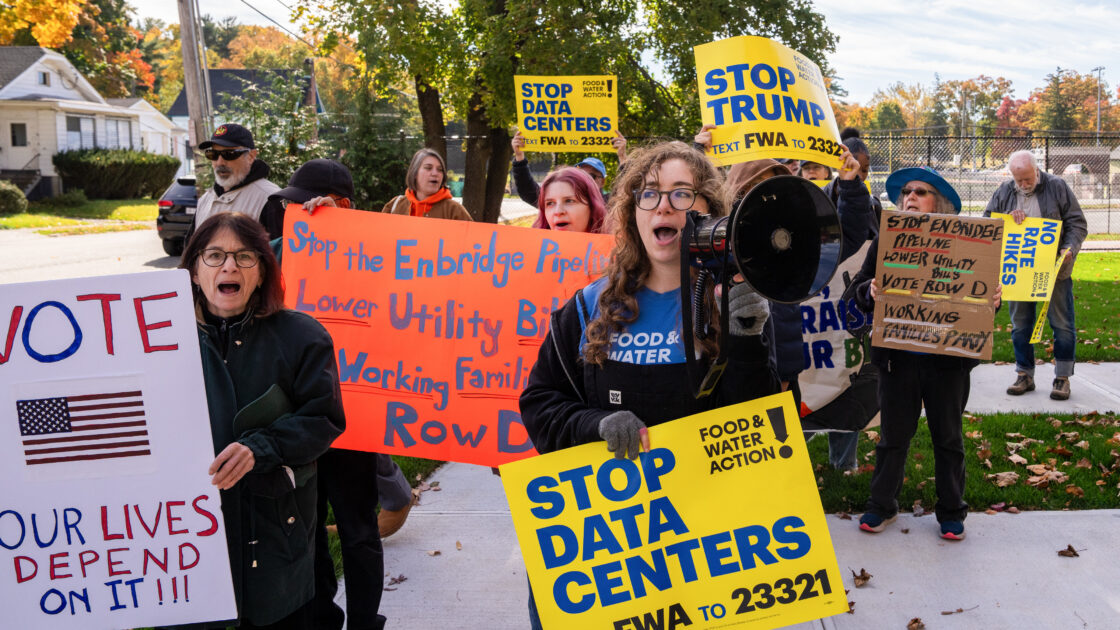
Voters across the nation also weighed in on direct ballot initiatives regarding whether data center projects could proceed in their local districts. Driven by a growing resistance to data centers and AI, voters approved approximately 40 election-day measures aimed at restricting new data center construction. Only a single result, located in Harwood, North Dakota, supported data center expansion.
Data tracked by the website Data Centers on the Ballot showed that Ohio hosted the highest number of voting measures at 21, and all of them supported restrictions. Additional states that held data center voting included Maine, Illinois, Kansas, New Jersey, California, Florida, Nevada, North Dakota, and Wisconsin. Furthermore, six earlier elections in 2026 across California, Michigan, New Hampshire, and Wisconsin all resulted in voters opposing data center builds without new restrictions.
The proposed restrictions varied by location. Some ballots asked voters to decide on megawatt caps for data center energy consumption, while other measures tackled specific zoning rules or whether projects should mandate voter approval. Certain proposals sought complete bans on new data centers, resulting in six successful outright bans. Polling organizations such as Pew Research found that public sentiment regarding data centers has declined due to concerns over high electricity bills, water consumption, and environmental issues, combined with worries regarding AI’s impact on employment.
Broader Political Fallout and Mayoral Recalls
The electoral outcomes proved so damaging for the industry that Politico labeled data centers as a major loser of the midterms alongside Republicans. Beyond the nationwide enactment of building restrictions, data centers featured prominently in Democratic victory speeches. Senator-elect Sherrod Brown stated during his Tuesday night victory speech that he does not work for data centers or Wall Street, but for the people of Ohio. Additionally, USA Today reported that two mayors, one based in Oklahoma and another in Ohio, faced successful recalls following public protests against proposed data centers.
Future Outlook for Tech Companies and Communities
The midterm results may carry long-term consequences for technology firms and data center companies, as Democratic control of Congress likely heralds increased federal scrutiny. Darrell West, a senior fellow at the Brookings Institution, told Politico that public policy will align with public opinion, which has experienced a substantial shift over the past year. Political pressures resulting from the midterms may encourage local officials nationwide to delay or cancel data center projects, or compel companies to provide more favorable agreements to host communities. Generous tax breaks and incentives for data centers may be nearing their conclusion, with The New York Times reporting that communities are now pressing data centers to pay taxes, build their own power plants, cover their electricity and water usage, and contribute to local resources like education funds.