Table of Contents
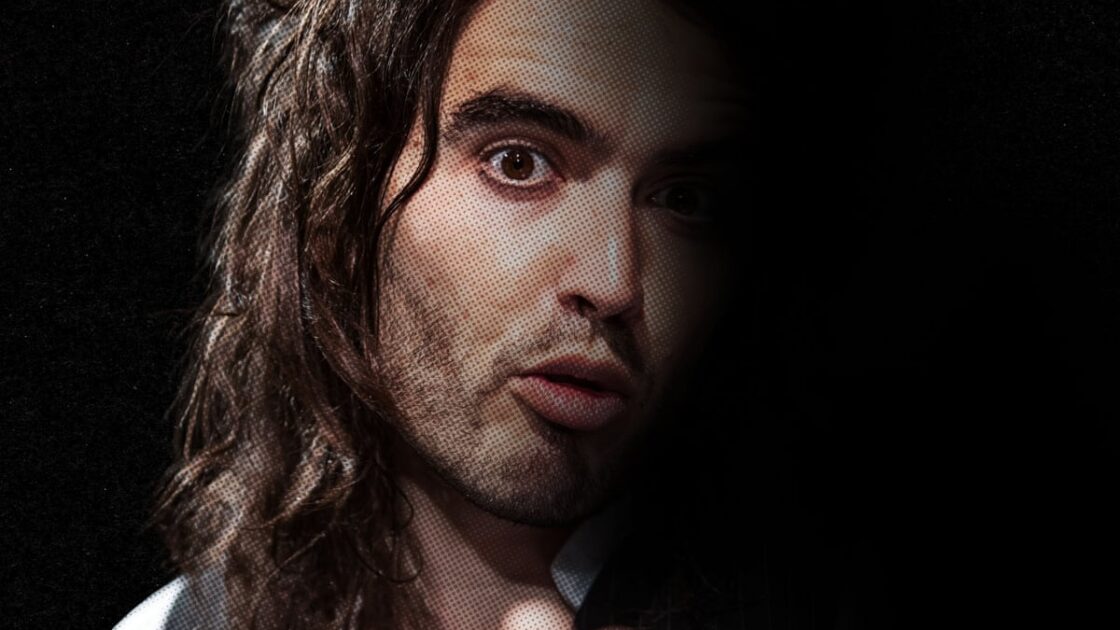
Television insiders warn that the culture of casual misogyny and power imbalances that enabled Russell Brand’s behavior has still not been fully eradicated from the media industry. Following his recent conviction, broadcasters like the BBC and Channel 4 face renewed scrutiny over how past warning signs and complaints were mishandled.
Early Warnings and Ignored Complaints
Back in the mid-noughties during the height of reality TV, researcher Naomi Harvey and her colleagues encountered troubling behavior while casting for Channel 4’s Big Brother’s Big Mouth, hosted by Brand. Staff members noticed Brand regularly instructing junior runners to collect phone numbers from female audience members. The situation escalated when a distraught audience member contacted the production desk after Brand invited her out for drinks following the show.
Harvey and two colleagues reported the incident up to their direct supervisor, but never received a response. During Brand’s subsequent trial, accusers detailed how the media industry protected its own, with an ex-MTV employee explaining she stayed silent because she was afraid to report an incident involving a major network asset.
Strict Defamation Laws and Open Secrets
While rumors circulated within the stand-up comedy circuit for years, serious public allegations did not emerge until 2023 following a joint investigation by Channel 4’s Dispatches and the Sunday Times. Charlie Moloney, co-author of McNae’s Essential Law for Journalists, stated that England’s strict defamation laws played a role in keeping these issues hidden. “We have these ‘open secrets’ where everybody just knows this thing is true,” Moloney said, noting that such secrets often collapse under the heavy scrutiny of a court cross-examination.
Red flags were also visible in Brand’s public broadcasts, including a 2008 BBC Radio 2 broadcast where he laughed about exposing himself to a female worker in Los Angeles. He also directed sexualized comments toward a newsreader on air and joked about sending a female assistant naked to Jimmy Savile during a 2007 interview.
Industry Reviews and Safeguarding Efforts
Following the 2023 revelations, the BBC, Channel 4, and Banijay UK—the parent company of the production firm behind Brand’s early shows—conducted internal reviews. Banijay found that while no formal complaints were recorded, informal warnings regarding Brand soliciting audience phone numbers were inadequately addressed. The BBC issued an apology after discovering staff stayed silent because they believed Brand would always get his own way, while Channel 4 noted that a complaint failed to reach senior management.
A BBC spokesperson stated that the thoughts of everyone at the organization are with the brave women who came forward, adding, “Across the industry we must work together to ensure that anyone who suffers at someone else’s hand feels able to report it, that their concerns are taken seriously, and that they are listened to.”
Alex Mahon, the former Channel 4 executive who ordered the internal investigation, acknowledged that bad behavior was tolerated for too long. “People don’t stay silent because they don’t know it’s wrong. They stay silent because they don’t trust what happens if they speak,” Mahon said, pointing out that over half of workers experiencing harassment still do not report it.
Although creative industries in the UK have recently launched an online portal for reporting harassment and abuse, industry insiders remain skeptical that the systemic issues belong entirely to the past. One insider noted that the unwritten rule of television continues to be remaining silent to avoid being blackballed as a troublemaker. Harvey echoed these concerns, explaining that freelancers often choose to stay quiet to protect their jobs because they fear retaliation and believe nothing will change.