Table of Contents
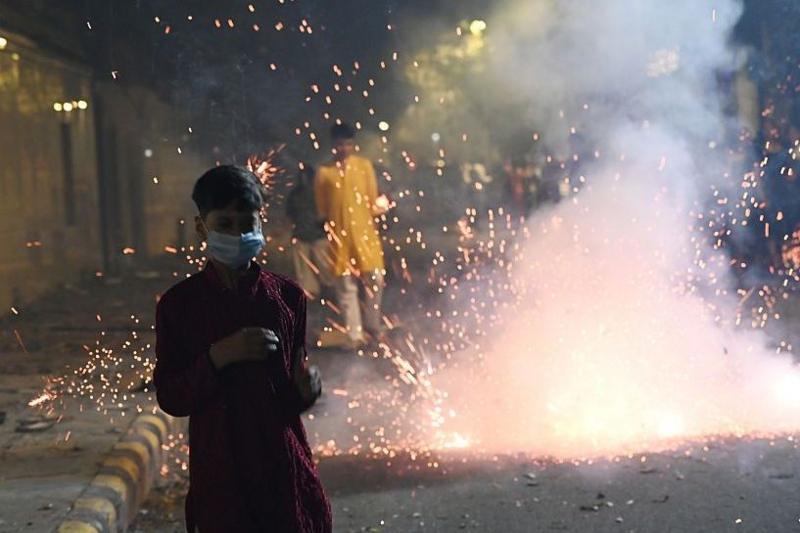
Delhi is facing deteriorating air quality as winter sets in across India’s capital, pushing the air quality index into the very poor category and raising health risks for millions. The worsening conditions come just days ahead of Diwali, a major festival traditionally celebrated with fireworks.
Emergency Pollution Measures
The city’s air quality index, which measures fine particulate matter known as PM2.5 that can penetrate deep into lungs, crossed 300. Prolonged exposure to such pollution can cause respiratory illnesses and aggravate existing health conditions, placing older adults and children at particular risk. In response, authorities activated Stage II of the Graded Response Action Plan, an emergency system of progressively stricter controls designed to tackle rising pollution levels.
The updated restrictions involve intensive road cleaning, higher parking fees to discourage private vehicles, and expanded public transport services. The Delhi Metro added 20 extra weekday train trips, while government office schedules were staggered to reduce traffic congestion. Officials explained that these interventions were launched after meteorological forecasts indicated air quality would stay very poor for several days.
Factors Driving the Crisis
Northern India regularly battles hazardous air during the winter season, driven by industrial emissions, vehicle exhaust, falling temperatures, light winds, and the burning of crop stubble in nearby states. This sharp spike follows an unusually clean October that saw Delhi record its lowest monthly average AQI in eight years. Experts reported that the abrupt decline resulted from dropping temperatures, sluggish winds, and an increase in agricultural burning in Punjab and Haryana.
Although a recent storm brought rain and strong winds that temporarily cleared the air, calm weather and northwesterly winds soon returned, pushing smoke from agricultural fires toward the capital. India’s pollution watchdog categorizes AQI readings between 301 and 400 as very poor, while levels exceeding 400 are deemed severe. On Wednesday morning, Delhi recorded an AQI of 377.
Firecracker Regulations and Enforcement
With Diwali approaching, concerns remain that fireworks will drive pollution even higher. Last year, Delhi woke to a toxic haze the morning after the celebration despite judicial directives limiting pollution. While authorities have previously attempted to enforce manufacturing, sales, and usage bans, compliance has proved difficult.
India’s Supreme Court permitted the manufacture, sale, and use of certified green firecrackers in Delhi and surrounding regions for a limited timeframe. The court specified that these crackers can only be detonated between 06:00 and 07:00 local time and between 20:00 and 22:00 on November 7 and 8 during the Diwali weekend. Fireworks are strictly prohibited within 300 meters of hospitals, schools, care homes, and other designated silence zones.
Green firecrackers feature modified chemical formulas that generate fewer emissions than traditional fireworks and must display QR codes allowing buyers and officials to verify their certification and manufacturer. However, verifying that only approved products reach the market remains a significant challenge. The Supreme Court noted in its ruling that conventional firecrackers had continued to circulate as green alternatives even under total bans, prompting instructions for police to patrol sales hubs, conduct random QR code inspections, and confiscate illegal fireworks.
During severe pollution spikes, Delhi officials have previously implemented hybrid learning, work-from-home policies, and targeted vehicle restrictions. The pollution challenge extends beyond the capital, as Mumbai experienced elevated pollution levels recently despite coastal winds. Mumbai’s AQI reached 322 on October 24 due to low wind speeds, construction dust, garbage burning, firecracker emissions, and regional pollutants, though conditions have since improved to a satisfactory AQI of 89.