Table of Contents
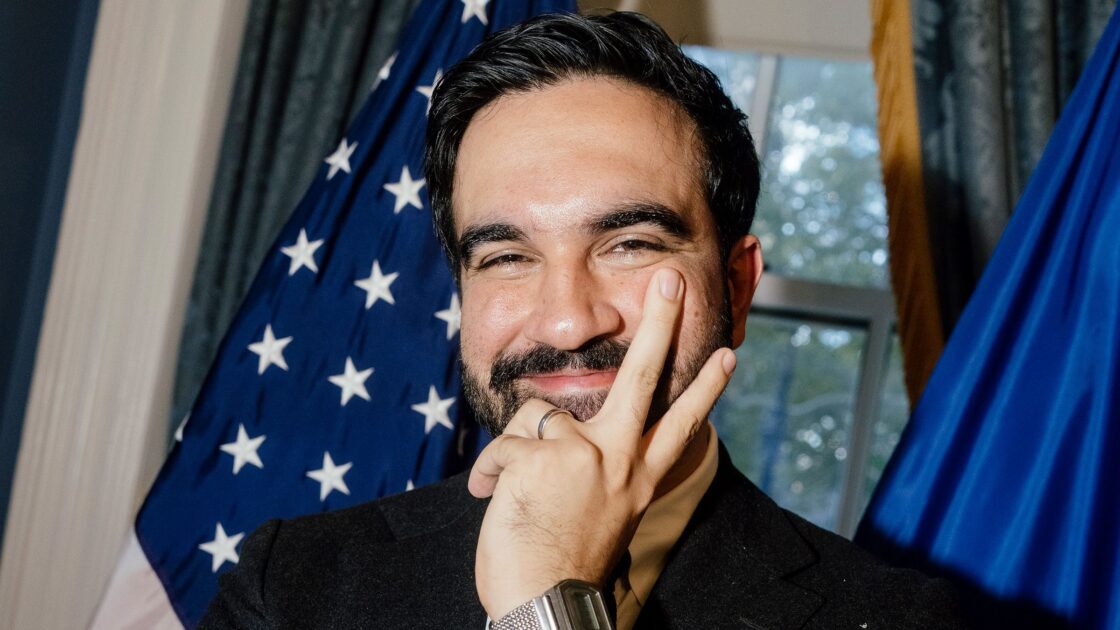
One year after a historic election victory that propelled him from an unknown candidate to New York City’s mayor, Zohran Mamdani sat down with WIRED at City Hall to discuss governance, social media, and the mounting challenges surrounding artificial intelligence and data centers. Now 35 years old, Mamdani maintains a 69 percent approval rating among voters while continuing to use unorthodox digital outreach strategies to connect with constituents.
Governing Through Social Media and Content Creation
Reflecting on his transition from campaigning to governing, Mamdani explained that social media remains a vital tool to reach residents where they already consume information, comparing it in legitimacy to traditional media. His administration launched a Spanish-language WhatsApp channel, El Chisme Oficial de NYC, featuring voice notes from the mayor detailing local policies. Addressing criticisms regarding his administration’s collaboration with digital content creators who receive talking points, Mamdani argued that these materials function similarly to standard press releases and help demystify complex policies for the public.
Mamdani also discussed the upcoming midterm elections and local political figures, noting the oddities of social media content from various candidates, including AI-generated deepfakes depicting him taking a “delusion pill.” Despite political opposition, Mamdani defended his endorsement of New York Governor Kathy Hochul, highlighting their legislative partnership on Universal 2K, a program delivering $1.2 billion in funding to expand universal childcare for two-year-olds across the city.
The Rise of the Democratic Socialists of America
As a prominent figure within the Democratic Socialists of America (DSA), Mamdani addressed the organization’s growing influence. He stated that the movement resonates with working-class Americans because it addresses fundamental economic pressures such as rising rents, grocery bills, and electricity costs. Mamdani emphasized that the core principle of the organization is genuine democracy, allowing members and working people to actively shape their own political and economic futures.
Artificial Intelligence, Data Centers, and the Housing Bubble
Turning to technology policy, Mamdani voiced strong opposition to the rapid expansion of data centers driven by artificial intelligence, highlighting their immense energy demands. He compared the current state of the AI industry to a financial bubble and criticized what he termed an attitude of “our risk, their reward” prevalent among tech companies. Mamdani supported New York state’s one-year pause on data center construction and pointed out the lack of transparency surrounding the true societal and ecological costs of AI queries.
At the municipal level, Mamdani’s administration implemented a comprehensive AI moratorium in city schools, banning generative AI for students from pre-K through eighth grade to protect children from being used as test subjects for profit. The city has also introduced local rules prohibiting realtors from using AI-generated images of apartments and placing limitations on chatbot interactions to protect consumers. Mamdani concluded by reiterating his concern that the proliferation of advanced AI and deepfakes continues to weaken public trust in democratic institutions and shared reality.
You can listen to the full conversation on the “Uncanny Valley” podcast available via Apple Podcasts, Overcast, Pocket Casts, and Spotify.