Table of Contents
Artificial intelligence tools have enabled ordinary people to build playable video games in minutes through simple text prompts. However, AI company Anthropic has updated its Claude model to decline requests that attempt to recreate someone else’s intellectual property.
Addressing Copyright and Game Cloning
The update to Claude was revealed by Addy Osmani, an engineering leader at Anthropic, who posted on X in response to concerns that the company had modified Claude Opus 5.5. The adjustment prevents the model from generating copies of existing games, which could violate copyright rules and company usage policies.
As reported by CNET, Osmani stated that original games, genre games, and projects built from personal designs and assets will continue to function normally. He added that the company will keep iterating to strike the right balance and offered to review cases where amateur developers feel Claude wrongly rejected their requests. A representative for Anthropic did not immediately respond to a request for comment.
Homage Versus Infringement
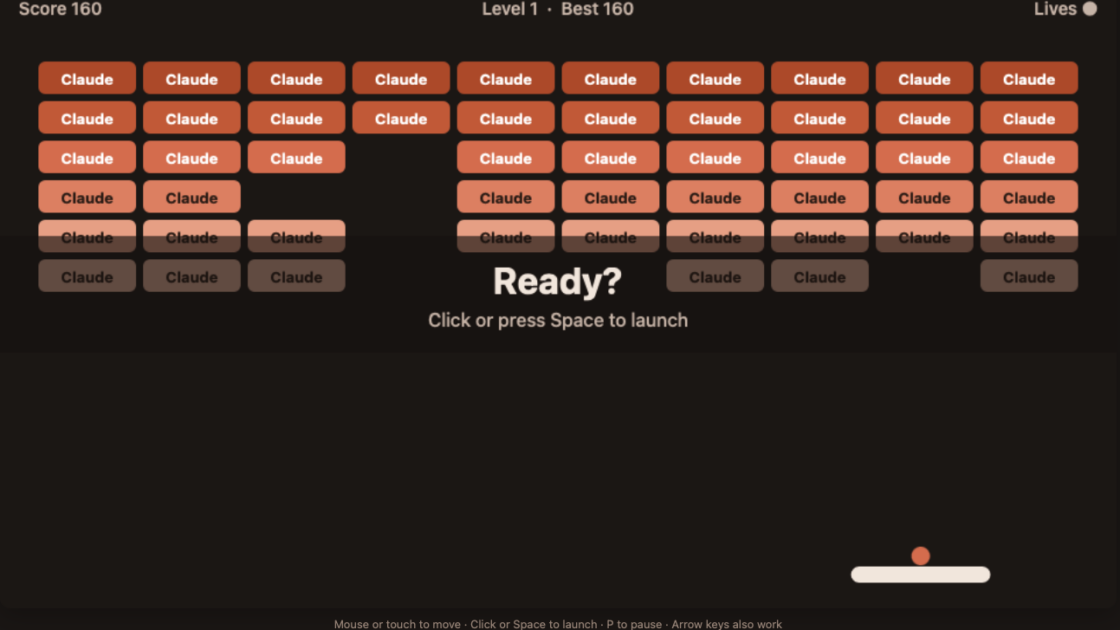
Anthropic’s stance acknowledges that using AI to clone a video game could constitute intellectual property infringement. Despite the update, Claude can still generate games resembling past hits; a test by CNET asking the model to build a game resembling Breakout with the word Claude on each brick produced a playable version that differed significantly from the original.
David Kocan, an intellectual property lawyer at Nixon Peabody, told CNET that video game copyright is complex. Copyright protects a game’s original creative expression rather than underlying ideas, rules, or gameplay mechanics, allowing similar games in a genre to emerge. However, Kocan noted that distinguishing between a borrowed idea and a copied expression can be difficult in gaming.
RTB Ruhan, founder and CEO of Null Station, told CNET that AI makes crossing into infringement fast and cheap for individuals without design skills. Ruhan stated that claiming AI created the game will not protect developers from trouble if they publish or sell a clone, noting his studio uses a test of removing the title and logo to see if players can still distinguish the games.
Legal Responsibility and Guardrails
Legal experts told CNET that no laws currently require AI companies to outlaw game clones on their platforms, but implementing guardrails helps prevent future complications. Eric Blatt, a corporate, securities and intellectual property lawyer at Scale, told CNET that Anthropic is prudent to add these restrictions because chat logs could otherwise present a plausible argument that the company performed the copying.
Blatt noted that while litigation has not kept pace with AI growth, lawsuits could quickly follow if AI-rebuilt games threaten business models. Kocan added that while copyright law establishes legal boundaries, AI companies ultimately decide where to draw their own lines.