Table of Contents
Al Jazeera is marking its 30th anniversary with a special commemorative event, looking back at a history defined by major milestones, international awards, and significant operational risks. Launched on November 1, 1996, the network revolutionized Arab broadcasting by introducing previously marginalized political perspectives and opening up regional debates.
Celebrating a Legacy in Doha
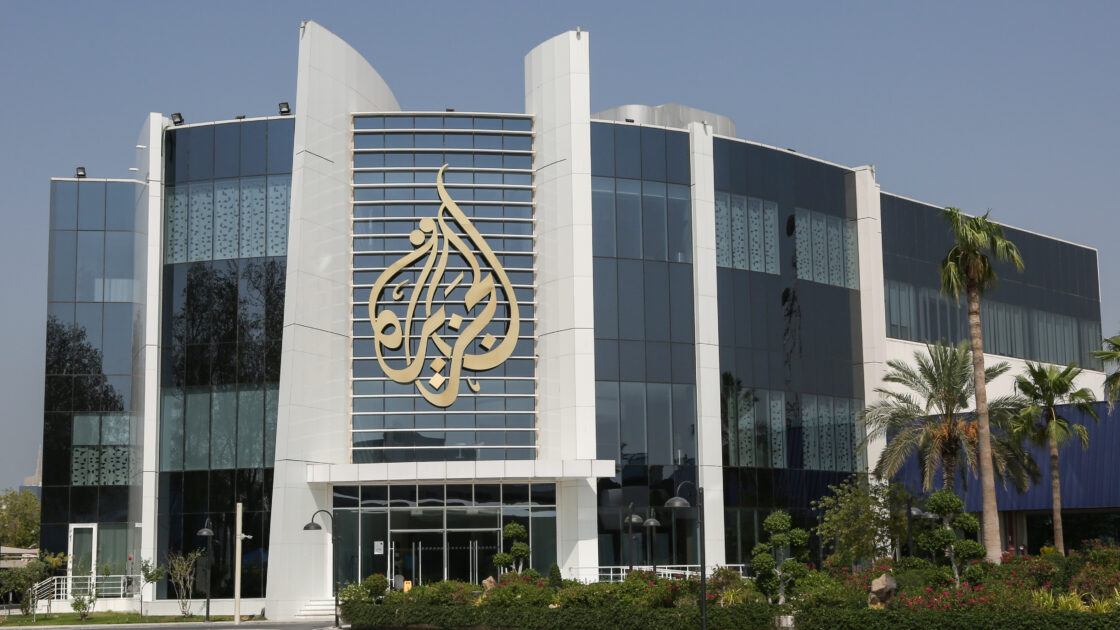
The network hosted a commemoration on Sunday at its Doha headquarters, featuring the Emir of Qatar Sheikh Tamim bin Hamad Al Thani alongside other delegates. Al Jazeera’s Director General Sheikh Nasser bin Faisal Al Thani stated at the event that the network has always represented more than just a screen, calling it a commitment to free and responsible journalism where presenting differing opinions is a fundamental stance. Director of News Raed Fakih added in a statement that the network has spent three decades transforming Arab news coverage by giving space to neglected voices and viewpoints, noting that the current anniversary coincides with an editorial expansion and a restructuring of the Arabic-language news services into three distinct channels for breaking news, live events, and in-depth reporting.
Facing Risks, Bans, and Casualties
Established initially as an independent Arabic-language satellite news channel by Qatar’s late Father Emir Sheikh Hamad bin Khalifa Al Thani, the network has since expanded into a global media enterprise with multiple television channels, websites, and digital platforms in various languages. However, staying on air has carried a heavy price, with the network facing bombings, office closures, and broadcast bans across numerous countries. Al Jazeera provided vital global updates as the sole foreign broadcaster in Kabul during the 2001 US attack on Afghanistan, and its live coverage of the 2011 Arab Spring earned the network a Peabody Award.
This impactful reporting has frequently made the network a target, resulting in the deaths of two dozen journalists over the years. A US strike killed correspondent Tareq Ayyoub in Baghdad in 2003, while Palestinian correspondent Shireen Abu Akleh was shot by an Israeli soldier in Jenin in 2022. Another 12 journalists were subsequently killed over a 30-month period by Israel during its war in Gaza, including Anas al-Sharif, who died alongside four colleagues in an August 2025 strike on a press tent outside al-Shifa Hospital. Sheikh Nasser paid tribute to these fallen staff members during Sunday’s event, affirming their enduring place in the network’s mission. Beyond physical attacks, at least nine governments have moved to silence Al Jazeera by shutting bureaus and revoking licenses, including a 2024 Israeli ban and office raid in Ramallah, followed later by a suspension from the Palestinian Authority.
Embracing New Technology
Operating with a workforce exceeding 3,000 staff members across more than 70 global bureaus, Al Jazeera’s reach extends to over 430 million homes, supported by its digital divisions and its English channel launched in 2006. During Sunday’s anniversary event, the network rolled out The Core, an artificial intelligence initiative developed in partnership with Google Cloud and first announced in December 2025, designed to integrate AI into newsrooms for better information management, coverage coordination, and archive utilization. Additionally, Al Jazeera Balkans underwent a relaunch featuring a new digital-first format to usher in a fresh chapter for regional journalism.