Table of Contents
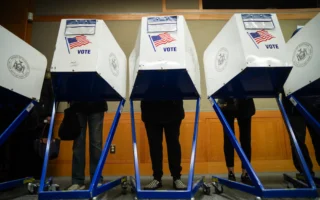
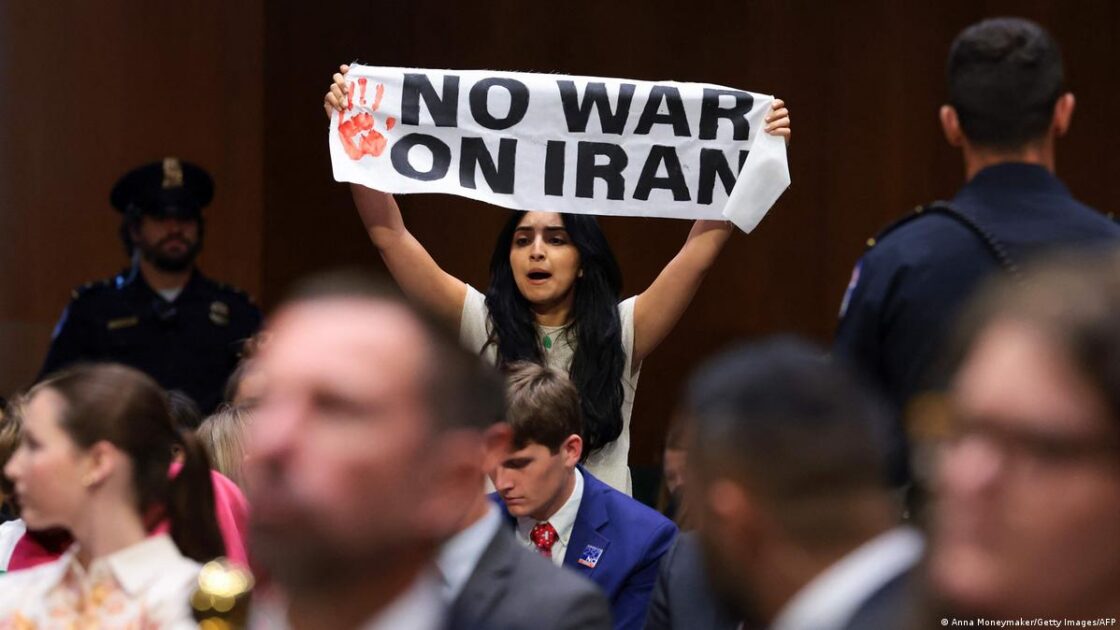
Tuesday’s election is shaping up to be one of the most consequential midterm votes in modern US history, with Washington’s relationship with Israel and its war on Iran at the center of the political standoff. Many Democrats, including Michigan Senate nominee Abdul El-Sayed, have criticized the Iran war as “illegal” and “stupid.”
Political Standoff and Congressional Power
US President Donald Trump attempted to downplay the effects of the war during the campaign, claiming last week that only “one or two targets” remained in Iran that could be settled in 10 minutes. However, he noted that messages remain in exchange, Tehran still shows strong interest in a deal, and the US has ample time to address the crisis. Meanwhile, reports suggest the US and Israel are preparing new strikes on Iran following the midterm election, while pro-war Republicans like Senator Ted Cruz pressure the White House to confront the Iranian threat. Cruz stated in an online post after spending a day with Trump that he urged arming Iranian protesters to overthrow the regime.
Speaking to Deutsche Welle: DW.com, former National Security Advisor John Bolton said Democrats are likely to secure a majority in the House and potentially the Senate, giving them control over Iran war funding. Bolton noted that Congress can allocate defense budgets or impose restrictions on financial resources, though the president can veto such legislation, requiring a two-thirds majority in both assemblies to override. Alan Eyre, a US diplomat and Iran expert at the Middle East Institute, explained that both major US parties share a bipartisan consensus in opposing the Islamic Republic’s political structure and supporting pressure on Tehran to alter its behavior.
Tehran’s Strategy and Nuclear Ambitions
Tehran has confirmed ongoing indirect communication through Doha and Muscat while warning of a crushing response to any new strikes on underground sites. Shahin Modarres, an international security analyst leading the Iran team at ITSS Verona, told Deutsche Welle: DW.com that Tehran’s actions stem from a miscalculation that a Democratic Congress could easily restrain the White House. Modarres stated that Tehran’s strategy of dragging out peace talks, pressuring the Strait of Hormuz, and letting fuel prices affect US voters aims to deny Trump a win before November, though it may backfire once the Trump administration no longer needs to delay its actions.
Bolton believes Trump will decide on his next steps regarding Iran only after the election when political pressure subsides, noting a potential US attack on the new nuclear site near Natanz known as Kuh-e Kolang, after which Trump could damage the facilities, declare victory, and pull back. While Trump has maintained that the US goal is to deny Iran nuclear weapons capabilities and claimed success in doing so, Bolton argues that the Islamic Republic will continually pursue nuclear weapons while in power, viewing regime change as the only sustainable solution.
Diplomacy and Communication Gaps
Eyre emphasized that external tools struggle to produce sustainable change and that any fundamental transformation must originate from within Iranian society itself. The veteran diplomat pointed out that American diplomacy has failed to convey a clear, coherent message to Iranian society, as official messaging is only partially reflected in the media outlets most Iranian citizens use. Eyre added that successive US administrations have generally not prioritized targeted engagement with the core of Iranian society, leaving citizens to witness a gap between Washington’s rhetorical positions and its practical behavior.