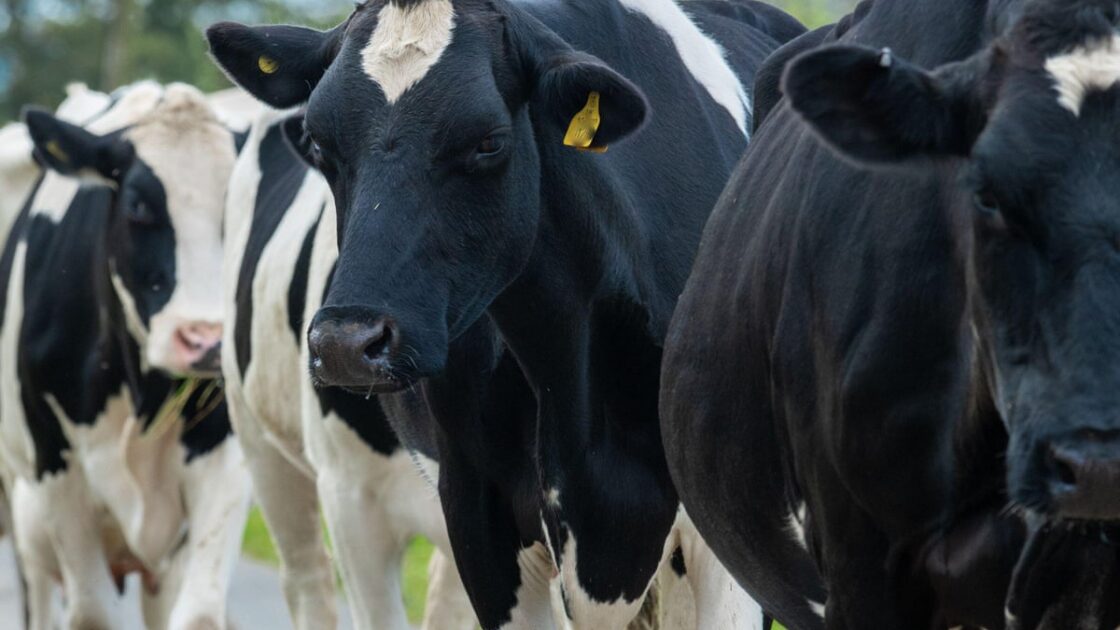
Great Britain is experiencing its worst-ever bluetongue season, creating a major animal welfare crisis and placing farmers under severe emotional stress. The viral disease affects sheep, cattle, and goats by causing fever, lesions, stillbirths, and death, alongside symptoms such as a blue and protruding tongue.
Outbreak Impact and Spread
Transmitted by biting midges and originally from Africa, the virus has expanded across Europe over the past two decades. The World Organisation for Animal Health links this geographic spread to climate breakdown. The specific strain currently impacting livestock is serotype 3 (BTV-3), which was initially detected in England in 2023.
The 2025-26 season has broken records, with 3,472 cases registered across England, Scotland, and Wales since July. This figure is more than five times higher than the total number of cases from the past three seasons combined. The Department for Environment, Food and Rural Affairs defines a single case as an entire premises with at least one infected animal, meaning the actual number of affected livestock is expected to be higher.
Strain on Farmers and Vets
Catherine McLaughlin, chief animal health and welfare adviser at the National Farmers Union, explained to MPs that the outbreak has created immense pressure for agricultural workers nationwide. According to McLaughlin, farmers have dealt with animal deaths, severe illness, reproductive failures, reduced milk and growth, increased labor, veterinary expenses, and disrupted breeding and sales.
McLaughlin warned that the virus’s impact on fertility will create long-term consequences for agricultural businesses. Dr Gwen Rees, president of the British Veterinary Association, added that vets face severe limitations because no direct treatment exists for the disease. Vets can only offer supportive care and hope the animals survive, which she described as a very difficult position for both veterinarians and farmers.
Rees noted that vaccination costs and uncertainty regarding infection risks led some farmers to skip immunizing their livestock before the outbreak started. She explained that producers and veterinarians constantly weigh risks and benefits, making it hard to invest in preventative measures when profit margins are extremely tight and the vaccine is expensive. The south-west has suffered the most severe impacts, led by Devon with 1,291 cases, Somerset with 373 cases, and Cornwall with 352 cases.