Table of Contents
Music technology company Roli has dissolved and entered administration for the second time, leaving a community of customers without word on products they paid for and worried about software support. As reported by WIRED, two licensed insolvency practitioners were appointed joint administrators of the company on October 20.
A History of Financial Trouble
Although it has not been officially announced, Roli reportedly ousted its CEO and founder, Roland Lamb, earlier this year. In August, a new company called Instrumental Intelligence was registered with the UK government under Lamb’s name, which could be a move by the founder to acquire Roli’s assets. Roli emailed users about the administration on Monday, but the company did not respond to WIRED’s request for comment. Lamb and Roli’s primary financial backers, investment firms TriplePoint Capital and Hoxton Ventures, also did not respond.
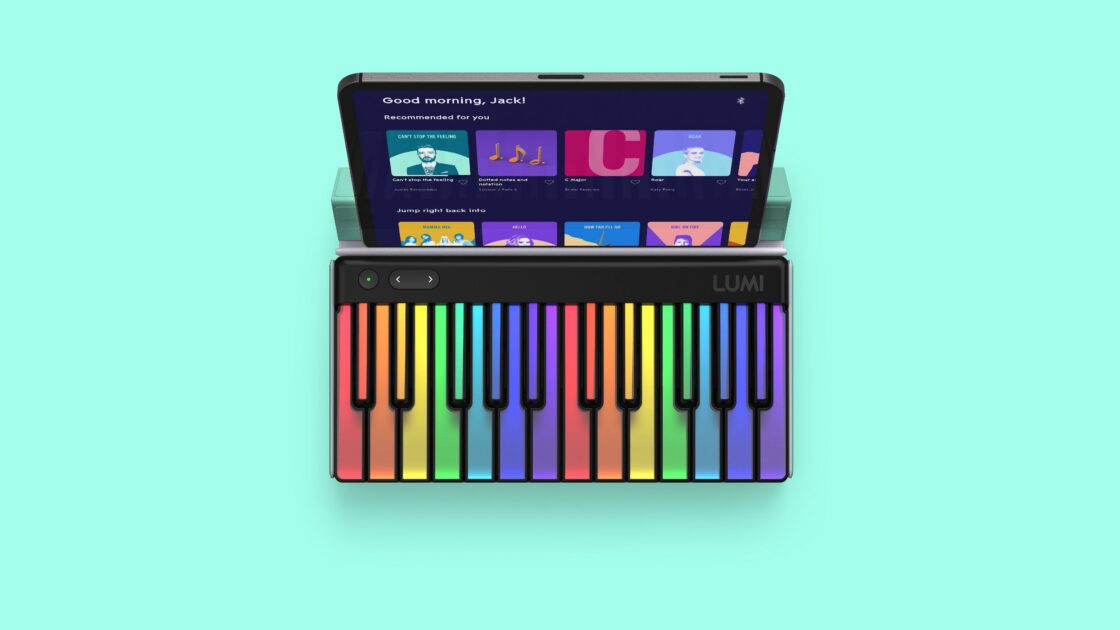
This marks the second bankruptcy for Roli, which was founded in 2009 and gained prominence after investments from musician Pharrell Williams in 2017 and Sony’s Innovation Fund in 2018. Ryan Gosling’s character even played a Seaboard Grand in the 2016 film La La Land. However, the company faced severe financial crisis during the pandemic and was partially bailed out by the British government’s Future Fund in 2020 before going into administration the first time in 2021. It survived that collapse by relaunching as Luminary Roli to focus on music-learning devices like the Lumi keyboard and the Airwave digital theremin.
Customers have long criticized the company’s communication style. Lluís Gerard, a YouTuber who reviews Roli products under the handle WasabiNoise, told WIRED that secrecy and unexpected delays plagued the company ever since its Kickstarter days.
Internal Turmoil and Workplace Culture
Former Roli employees, who spoke to WIRED on the condition of anonymity, described a workplace culture centered heavily around Lamb’s personality, comparing him to a Steve Jobs-esque figure. One former employee stated that working there felt like being in a movie where Lamb viewed himself as the main character.
In 2021, another former employee uploaded files to GitHub detailing a hostile workplace, including a 16-page PDF titled “Keeping Roland Happy” that advised on how to interact with a pathological narcissist. Several former employees characterized Lamb as an arrogant visionary who was brittle when challenged and incapable of learning from past experiences.
Despite the management and cultural flaws, former employees lamented the downfall of an inventive enterprise. Roli played a pivotal role in popularizing MIDI polyphonic expression (MPE) devices, which allow players to control pitch and timbre through touch-based movements. Despite partnering with Apple to sell Roli Blocks in Apple Stores, the company struggled to build a mainstream audience for its niche instruments, ultimately hitting a wall amid pandemic supply chain issues and subsequent financial turmoil.
Customer Fallout and Community Fixes
The collapse has left customers venting frustration across Facebook groups, Reddit, and other forums over unfulfilled orders and missing refunds ranging from hundreds to thousands of dollars. Existing owners also fear that the hardware will eventually become bricked because Roli instruments rely heavily on proprietary software launchers and companion apps to connect and configure settings.
Amid the dismay, some users are taking matters into their own hands. Sam Hocking, a UK audio engineer running Demix.me, owns multiple Roli Seaboard Blocks and has built software to keep the equipment functioning as a capable MIDI device without the Roli launcher. Hocking shared these configuration tools on the Roli subreddit and GitHub so devices like the Grand, Rise, Airwave, and Block can continue operating.
Other community members have joined in to contribute tweaks and fixes to keep the specialized hardware alive. Hocking noted that the unique nature of the keyboards makes them difficult to replace, telling WIRED, “Nobody likes to spend money and then not be able to use it.”