Table of Contents
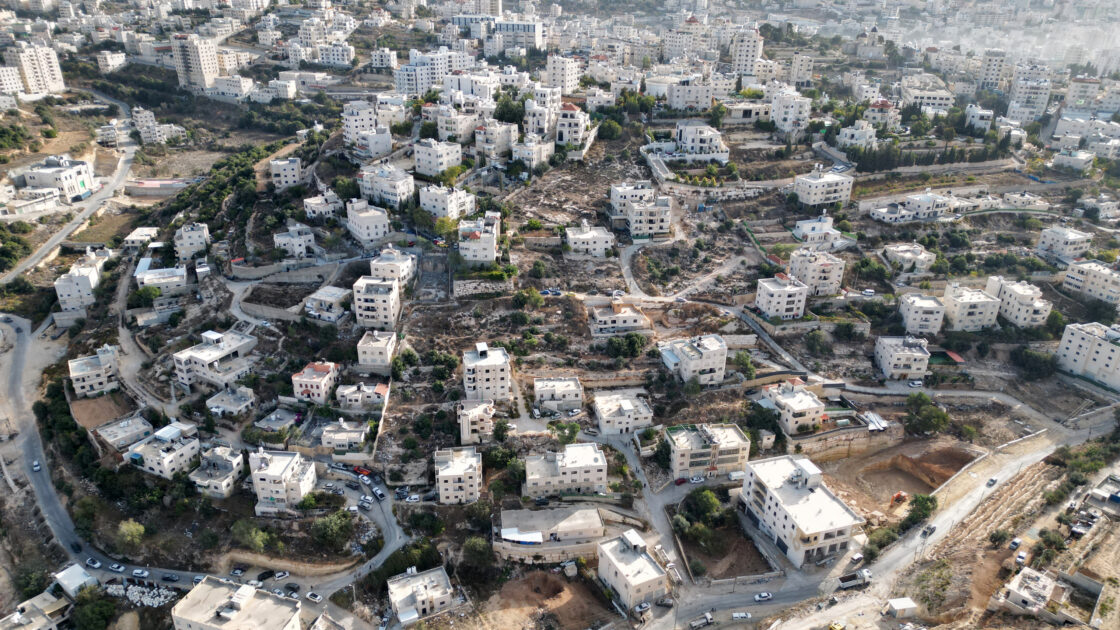
Israeli forces have withdrawn from Hebron in the southern occupied West Bank following a 10-day military siege, enabling displaced families to return to their homes, according to the city’s governor.
Security Handover and Return of Residents
Governor Khaled Dudin announced on Monday that Palestinian security forces had resumed full control of the area. He stated that relevant authorities and security personnel were monitoring the situation on the ground to establish the necessary conditions for residents to safely return.
The Israeli military had sealed off Hebron on October 23 following a shooting incident near the city, allegedly carried out by two Palestinians, which resulted in the deaths of two Israeli soldiers and injuries to three others. Israeli forces subsequently killed the two suspects.
Hebron Mayor Youssef al-Jaabari told Al Jazeera that municipal officials received official notification of the troop withdrawal at 6am (04:00 GMT). He noted that students were finally able to return to schools and universities, which had remained shut throughout the 10-day lockdown that had entirely paralyzed economic, educational, health, and municipal activities.
Impact of the Siege on Daily Life
Reporting from Hebron for Al Jazeera, Mohamad Atrash noted that vehicles carrying displaced families arrived shortly after the withdrawal, with residents greeting each other upon their safe return. Inside one residential building that had been converted into a military post, Atrash observed damaged furniture, ransacked rooms, and abandoned food items left by soldiers.
Residents of that building recounted being ordered out of their homes at 2am and given only five minutes to collect essential medicine, phones, and personal documents. Although families were initially told the displacement would last between one and three days, it extended to 10 days, with some returning residents reporting missing money and belongings.
The official Palestinian news agency Wafa reported that the Palestinian Civil Defence advised residents to avoid touching suspicious objects and to refrain from entering damaged structures prior to professional inspections.
While the Israeli military initially stated the operation would focus on the homes of the two suspects linked to the soldiers’ deaths, the scope expanded to encompass the entire Hebron governorate, which has a population of approximately 800,000. Troops closed checkpoints and requisitioned homes in al-Jalda and Ein Deir Bahha for military use, forcing 537 families out at night to seek shelter with relatives elsewhere.
Scale of Disruption and Economic Loss
The Hebron governorate reported that more than 3,300 Palestinians were displaced or otherwise impacted by the operation. Furthermore, the municipality stated that Israeli forces demolished 15 homes and structures, while 327 shops were forced to close, generating direct economic losses exceeding 12 million shekels ($3.8m) per day.
Mayor al-Jaabari affirmed that all destruction would be addressed, noting that municipal teams were deployed to al-Jalda, Ein Deir Bahha, and Shubat al-Malh to evaluate the damage. Wafa reported that roughly 80,000 students in the city were previously barred from attending classes, while Atrash added that around 262,000 students across the broader governorate missed nine days of education.
As the occupied West Bank’s primary economic hub, Hebron hosts 220 of the territory’s 940 Israeli military checkpoints and gates, a dynamic that disrupted operations at 4,000 factories during the closure, according to Atrash.
Mohamed Helles, an expert on Israeli affairs, observed that the operation commenced shortly before Israel’s general elections, viewing it partly as a maneuver by Prime Minister Benjamin Netanyahu and his right-wing allies to secure political support at the ballot box. Netanyahu’s electoral bloc ultimately won the most seats but fell short of a majority, leaving the country without a definitive path to establishing a new government.