Table of Contents
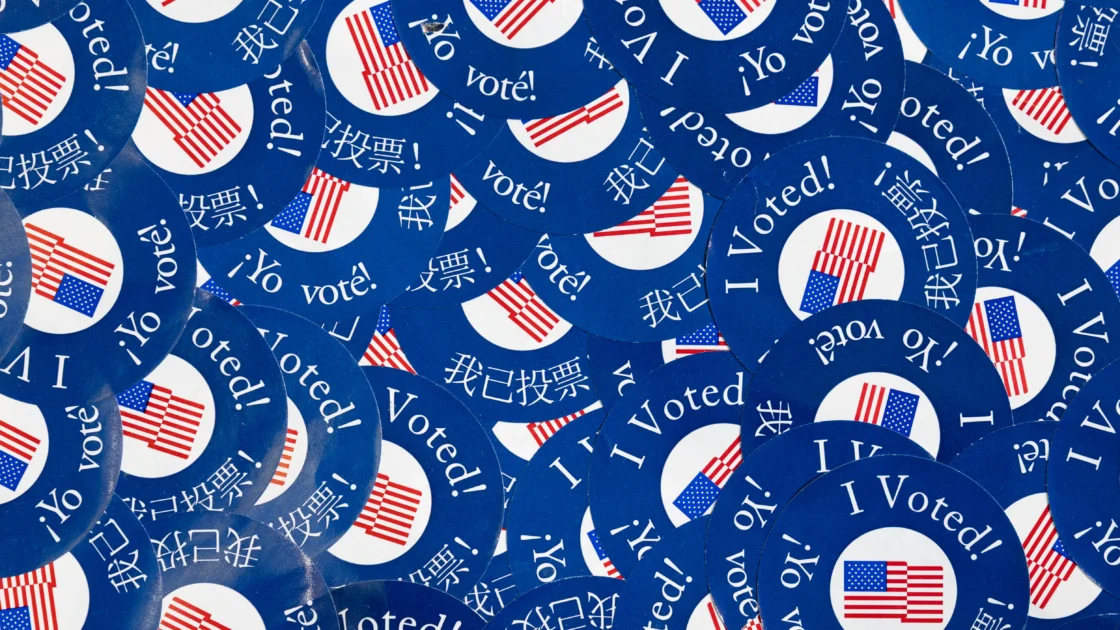
Millions of Americans approach midterm elections with anticipation and anxiety, with the nation’s political confidence and sense of security facing a significant test. As NPR reports, the upcoming results will measure the political direction of the country and evaluate voter faith in democratic systems.
Testing the MAGA Movement
Voters most loyal to President Trump, often referred to as MAGA, face elevated anxiety as polling suggests the electoral pendulum will swing against the White House incumbent. History shows that the party of the second-term president nearly always suffers losses in midterm elections, and polls point to potential Republican setbacks not only in blue states but also in swing states and traditionally red states. To limit potential losses in the House and Senate, Trump spent the final weekend of the campaign making an electoral stand in Iowa and Kansas while conducting remote rallies in 19 other states.
Midterms traditionally act as referenda on current officeholders, but Trump has personalized the election by telling supporters to pretend he is on the ballot. During his second term, he has positioned himself as a driver of historic events and an architect of a new Washington despite objections from Congress, federal courts, and international allies.
Voter Response and Economic Discontent
While Trump’s approach resonates with his base, the broader electorate has responded differently, with anti-Trump rallies adopting the mantra of “No Kings.” Critics have highlighted unfulfilled promises regarding foreign policy, but voters express greater disappointment over economic conditions. Although Trump promised to tame inflation and make living costs cheaper, prices remain elevated, leading his average approval rating to fall from 52 percent early in 2025 to 37 percent.
At the same time, Democratic confidence may be premature. Any potential majorities in the House or Senate are expected to be modest and narrow, and internal party divisions persist between mainstream consensus builders and progressive firebrands. While Democrats have united around energy prices, grocery costs, and opposition to Trump, political demographer Ruy Teixeira notes that the party still faces fundamental questions about whether to prioritize working-class interests over broader social and environmental policies.
Questions Surrounding Electoral Systems
Beyond party politics, the midterms have cast doubt on the conduct of U.S. elections. Faith in the democratic system, which requires public trust to function, has increasingly become a target. Nonpartisan experts maintain that administrative professionalism, fresh funding, and technological upgrades following the Help America Vote Act have greatly improved election administration and voter security over the past two decades.
However, public faith in the system continues to face challenges from Trump, who has frequently claimed without evidence that election processes are fraudulent when he faces defeat. While he accepted the results of his 2024 victory, he routinely dismisses unfavorable polling and news reporting as fake, raising concerns about how his followers might react to upcoming results.
Tension on election night is guaranteed, but greater stress may emerge in the days and weeks following the close of polls.