Table of Contents
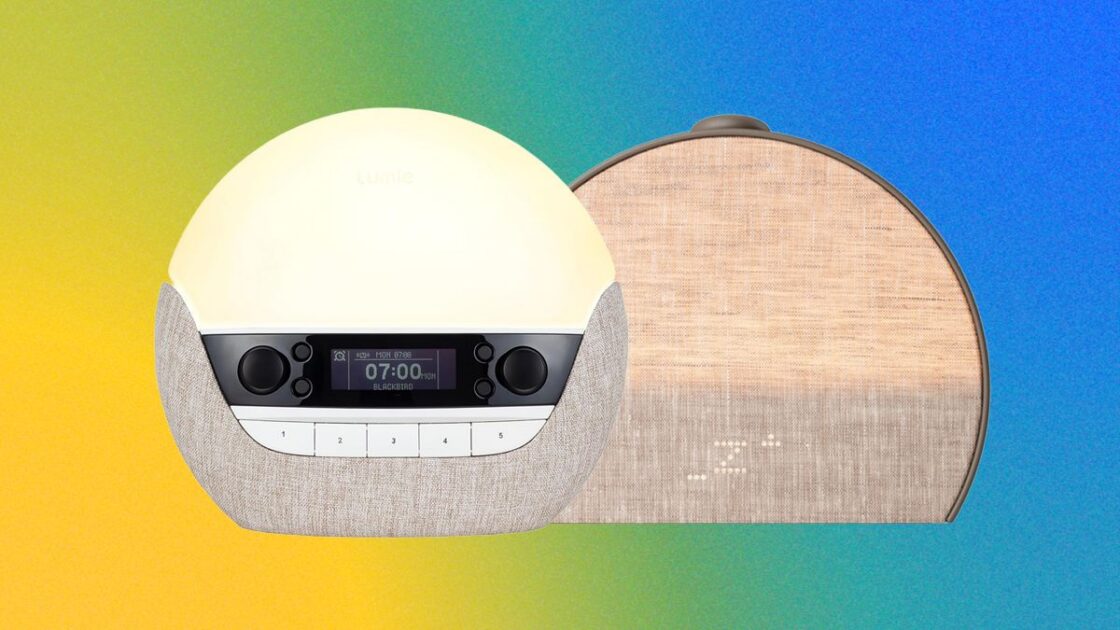
Using a sunrise alarm clock can help improve your mood by letting you face dark winter mornings with a gentler, more natural wake-up routine. WIRED recommends the newly released Hatch Sleep Clock for those wanting a sunrise alarm and sleep tracker in a single unit, alongside the Lumie Bodyclock Luxe 700FM as a personal favorite.
How Sunrise Alarm Clocks Work
Human bodies are designed to wake naturally with the sunrise and feel sleepy as daylight fades. Morning and evening light offer warm, golden tones, unlike the harsh blue light of midday that keeps people awake. Sunrise alarm clocks mimic this transition to help signal the body for sleep or waking up.
These devices feature built-in lights that gradually brighten over a period ranging from 10 minutes to an hour, depending on the selected window. Sound effects, such as relaxing or classic audio, usually start alongside the brightening light to help rouse sleepers. Additionally, many models offer a sunset routine that slowly dims to darkness, providing a visual cue for bedtime without requiring users to be in bed by a rigid time.
Choosing the Right Features
Shoppers can select models based on specific sleep needs, ranging from basic lamps to feature-rich devices. Premium models often include wind-down routines for those who struggle to fall asleep, brighter lamps that double as functional bedside lighting, and a wider variety of sound options. While app control is not mandatory, devices from brands like Casper, Hatch, and Loftie offer companion apps for added user convenience.
Top Sunrise Alarm Clock Picks
The Hatch Sleep Clock costs $249 and serves as the company’s latest sunrise alarm, featuring contactless sleep tracking. It functions as a dimmable light and sound machine, though users need a $6-per-month Hatch+ membership to unlock the full audio library. Boutayna Chokrane notes this device is ideal for anyone wanting a sleep tracker without strapping gadgets to their body overnight.
The Lumie Bodyclock Luxe 700FM is a personal favorite for Nena Farrell due to its large, bright display and stylish exterior. It includes a dedicated button for lamp mode, radio connectivity with five saved stations, and both sunrise and sunset settings. However, it lacks Wi-Fi, app connectivity, and features only a 24-hour clock. For a lower price, the Shine 300 is available at $169 with a smaller build.
The Hatch Restore 3 remains a popular choice controlled by the Hatch app, offering diverse sounds, lights, and routines. Released in early 2025, it includes physical buttons to easily toggle preset settings, though its light can be too dim to force a hard wake-up.
Honorable Mentions and Alternatives
The Casper Glow Light ($129) responds to touch and movement, turning on or off when flipped, though it lacks sound features. The Melalight Red Light Lamp ($169) uses a 660-nanometer wavelength designed to be melatonin-friendly for evening wind-down routines. The Blueair Mini Restful Air Purifier Sunrise Clock ($124) combines an air purifier with a sunrise alarm via the Blueair app. The Hatch Baby ($80) is designed for children with colorful lights and music, though it lacks a gradual sunrise. The Loftie Lamp ($280) offers a gorgeous design but requires the separate Loftie Alarm for sound features. The Rise Centered Original Sunrise Alarm Clock ($199) uses a Himalayan salt lamp on a wood base without subscriptions or Wi-Fi to discourage bedtime phone use. Finally, the Philips SmartSleep Wake-up Light ($109) serves as a basic, budget-friendly option with 20 brightness settings and five natural wake-up sounds.