Table of Contents
Additive manufacturing technology has expanded beyond space exploration programs like NASA’s International Space Station, where printers generate replacement components on demand. According to Engadget, consumer-grade 3D printers can now lower expenses for various home projects by producing accessories and custom parts at a lower price than traditional retail outlets.
Understanding Printer Costs and Hardware Types
Getting started with 3D printing involves weighing hardware investment against potential long-term material savings. Starter units such as the Creality Ender-3 V3 SE retail near $170, while high-end options exceed $700. Standard plastic filament costs approximately $20 per kilogram. Engadget noted that creating 50 items valued at $10 each from a single spool of material can offset the initial machinery purchase over time. For those not ready to buy equipment, local libraries, maker spaces, and third-party printing services offer temporary access.
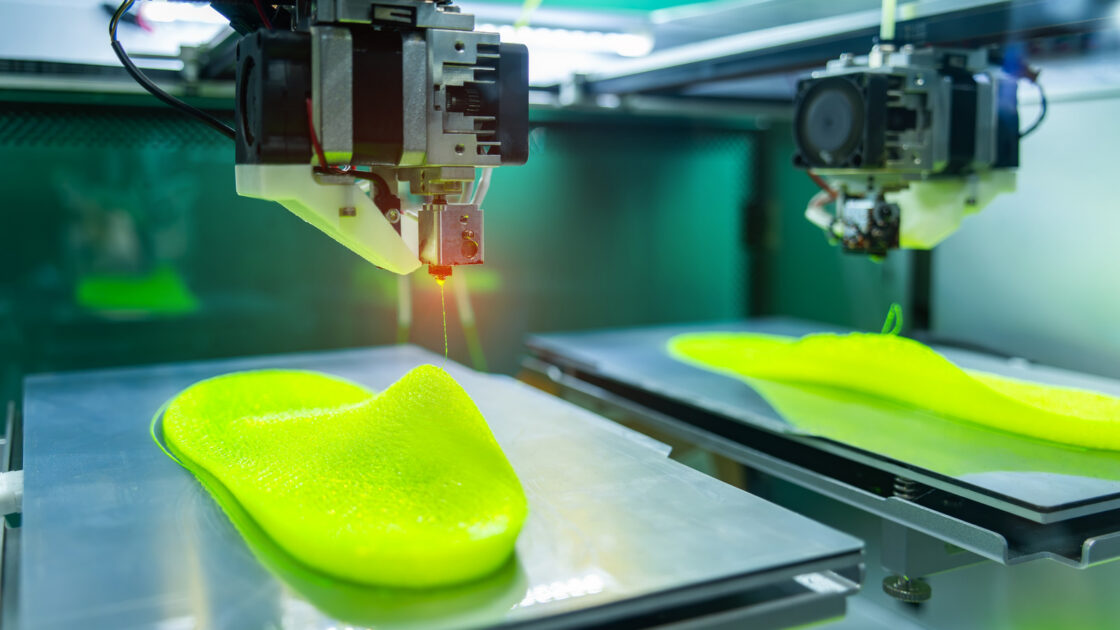
Most basic desktop units utilize fused deposition modeling (FDM), which melts filaments like polylactic acid (PLA) through a heated nozzle. Users needing intricate details—such as tabletop miniatures—typically opt for resin-based printers (SLA or DLP) or selective laser sintering (SLS) systems that process polymer powders.
Saving on Repairs, Gardening, and Smart Home Upgrades
Remote-controlled vehicle and drone operators often face high maintenance costs after crashes. While critical flight parts like propellers should not be printed until strength testing is verified, users can easily manufacture non-essential elements, including camera mounts, arm guards, and antenna protectors. Producing these items at home often proves cheaper and faster than waiting for online shipping.
For gardening and automotive enthusiasts, 3D printing avoids buying expensive specialized tools or multi-pack items. Gardeners can fabricate plant markers, clips, planters, bird feeders, and soil dibbers. Garage mechanics can produce custom wrenches, storage organizers, multi-axis vises, and rare interior plastic trim components.
The technology also supports home automation tasks. Beyond basic cable managers and hub shelves, users can design decorative enclosures for near-field communication (NFC) tags, tap-for-Wi-Fi guest panels, or desktop robotics. Additionally, custom enclosures for Home Assistant touch screens can be produced for a fraction of the cost of dedicated displays like Apple’s $299 HomeView.
Applications in Media Production and Tabletop Gaming
Photographers and videographers can significantly cut costs on simple plastic accessories. Instead of purchasing expensive brand-name replacements, users can fabricate universal lens caps, cable clamps, mechanical V-lock battery plates, custom light mounts, and portable tripods. The technology also allows creators to build single-use custom brackets for specialized camera angles.
Tabletop gamers, model railway builders, and Dungeons & Dragons players also benefit from desktop fabrication. Gamers can produce custom dice, terrain structures, trees, buildings, and detailed miniature troops. Platforms like MyMiniFactory showcase an extensive digital catalog for modelers, though high-detail figures generally require a resin printer to achieve precise textures.
Before purchasing hardware, prospective buyers should evaluate expected usage frequency, skill levels, ongoing material costs, and space requirements. Because 3D printers require proper ventilation, they should not be operated in bedrooms or living rooms, making initial testing at a shared workspace a practical first step.