Table of Contents
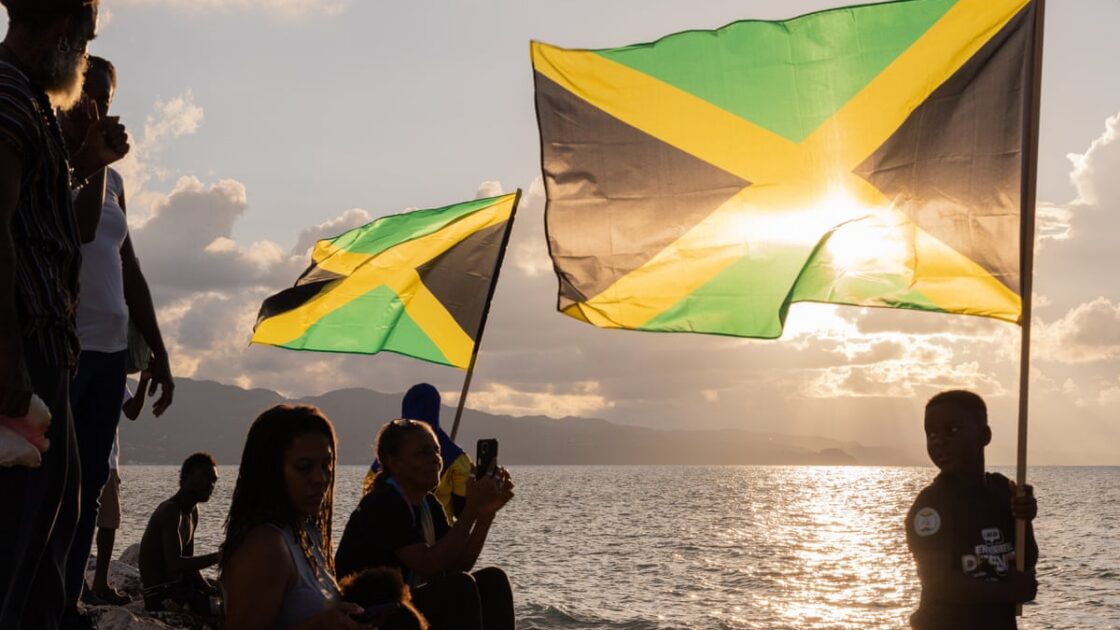
A temporary court injunction halting government restrictions at a Jamaican beach has provided a significant boost to activists fighting against coastal privatization. The legal milestone coincides with growing opposition from islanders who argue that the nation’s dominant tourism model disadvantages local residents.
The Fight for Public Beach Access
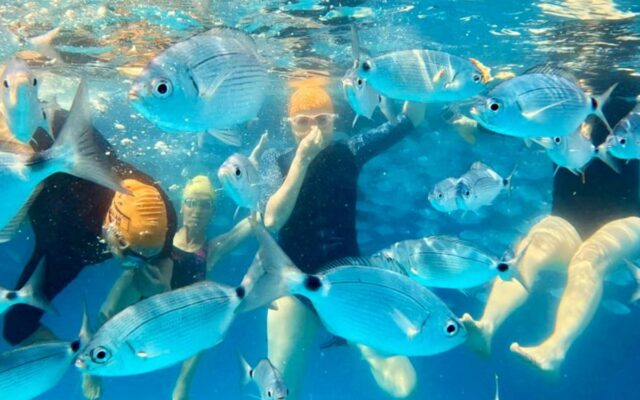
Following an 11-hour swim to Montego Bay’s One Man Beach, Australian human rights lawyer Eva Buzo expressed support for the Jamaica Beach Birthright Environmental Movement (Jabbem) and local advocates campaigning for free public coastal access. Buzo described the privatization of beaches as a colonial legacy and a human rights issue, noting that countries like Australia and Barbados maintain public access alongside thriving tourism industries.
The recent legal breakthrough occurred earlier in October, when a court issued an injunction preventing the government from continuing to restrict access to Little Dunn’s River in St Ann while a broader lawsuit proceeds. Jabbem founder Dr Devon Taylor stated that the ruling signals a strong legal case against the 1956 Beach Control Act, which granted the state ownership of the foreshore and seabed and allowed successive administrations to restrict beach access and sell coastlines to luxury hoteliers.
Wilbourn Carr, a 73-year-old campaigner involved in a separate beach access dispute in Portland parish, said the temporary injunction offers hope that the judiciary recognizes the public’s right to the coastline.
Government Response and Tourism Concerns
The Jamaican government plans to appeal the court decision. Environment Minister Matthew Samuda stated in an interview with The Guardian that the administration is safeguarding vital tourism investments and protecting communities from crime, while simultaneously improving public access through updated legislation and community leisure spaces.
Samuda explained that access to Little Dunn’s River was originally restricted following a murder. The government intervened to install security structures and facilitate free access on weekends, providing structured management and lifeguards. Describing tourism as the country’s largest foreign exchange earner, Samuda cautioned against portraying the industry as an enemy when it supports nearly 200,000 livelihoods.
Furthermore, Samuda noted that much of Jamaica’s coastline is rocky rather than sandy, and argued that most sandy areas remain publicly accessible despite some restrictions or fees. He added that Jamaica has spent decades among the world’s most murderous nations, setting it apart from other tourism destinations.
Activists Push for Fundamental Change
Campaigners strongly rejected crime prevention as a justification for closing beaches. Taylor argued that the 1956 legislation predates modern crime levels and called the Little Dunn’s River restrictions an illegal collective punishment. He criticized what he termed a “plantation tourism” model characterized by cheap labor, environmental degradation, and the exclusion of Jamaicans from the foreshore.
Paul Roberts, Jabbem’s St Ann community coordinator, dismissed the narrative that local residents pose a security risk. Meanwhile, Jabbem’s western Jamaica community coordinator, Monique Christie, emphasized that tourists ultimately visit for the warmth and culture of the people rather than resort facilities alone.
Dr Theresa Rodriguez-Moodie, chief executive of the Jamaica Environment Trust, noted that public uncertainty surrounding state-owned spaces has left many citizens feeling disenfranchised. While Prime Minister Andrew Holness proposed a new beach access and management policy in March to modernize legislation, campaigners argue the proposal fails to eliminate unacceptable restrictions.
Taylor affirmed that Jabbem will press forward with its campaign until the 1956 law is abolished and public rights are fully restored.