An experimental farm on the Leicestershire-Rutland border has successfully increased its bird populations by 145% since 1992, defying a national decline of 23% over the same period. The Allerton Project combines food production with environmental protection through decades of testing sustainable agriculture and habitat creation methods.
Sustainable Farming and Habitat Management
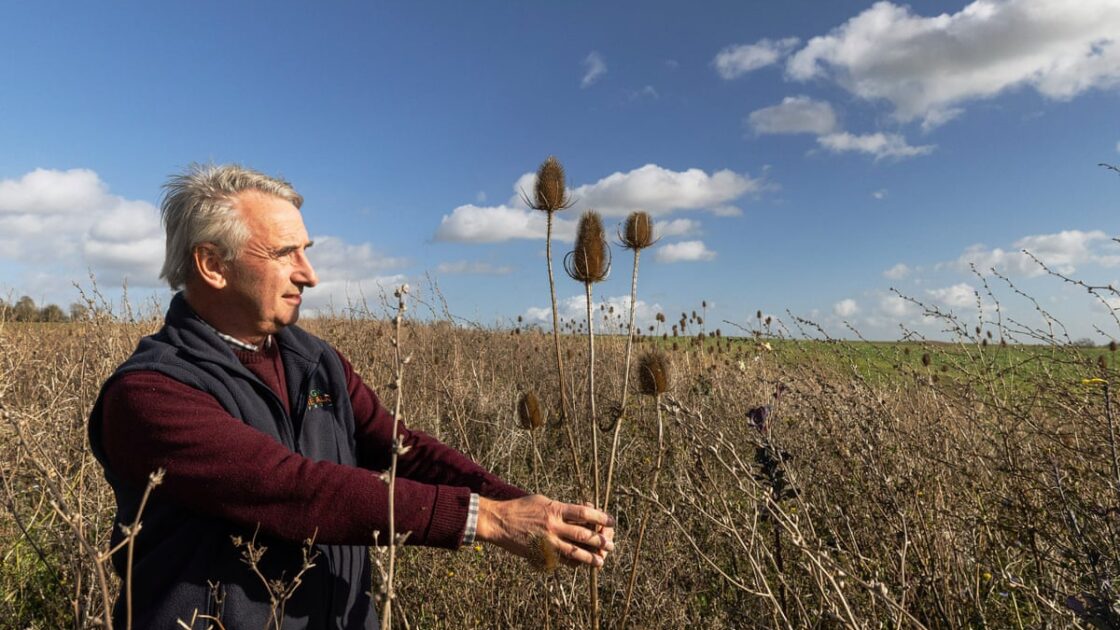
Director Alastair Leake demonstrates various techniques on the 320-hectare demonstration farm, which hosts farmers, policymakers, and businesses to showcase practical environmental action. In a winter wheat field, Leake compares a ploughed section with one where crops were drilled directly into crop residue and stubble. Birds bypass the ploughed soil to feed on the trashy side because seeds, earthworms, and insects are readily available rather than buried.
The farm maintains dedicated wildlife seed mixes, known as “bird tables,” featuring unkempt strips of kale, teasel, sorghum, and millet. Leake explains that providing winter food helps birds survive the hungry gap of January, February, and March so they are ready to breed again. Additionally, uncultivated strips of long perennial grasses called “beetle banks” provide hibernation sites for beetles. These insects emerge in spring to eat crop pests, eliminating the need for pesticides while supplying essential food for birds.
Predator Control and Future Outlook
The project also utilizes garden-style bird feeders filled with wheat to support farmland birds during the winter months. Alongside habitat creation, the farm practices predator control by humanely targeting foxes and crows during the nesting season to protect vulnerable eggs and chicks. Leake notes that managing the entire estate for nature has brought about nature recovery, proving that bird population declines can be reversed nationwide with the right incentives.