Table of Contents
The conflict in Iran is severely deepening the United States energy affordability crisis, leaving households facing soaring home heating costs as winter approaches. According to energy economist Mark Wolfe, families who rely on heating oil could see their bills surge by as much as 50%, adding nearly $900 to their winter expenses while compounding existing financial struggles.
Escalating Costs Across the Country
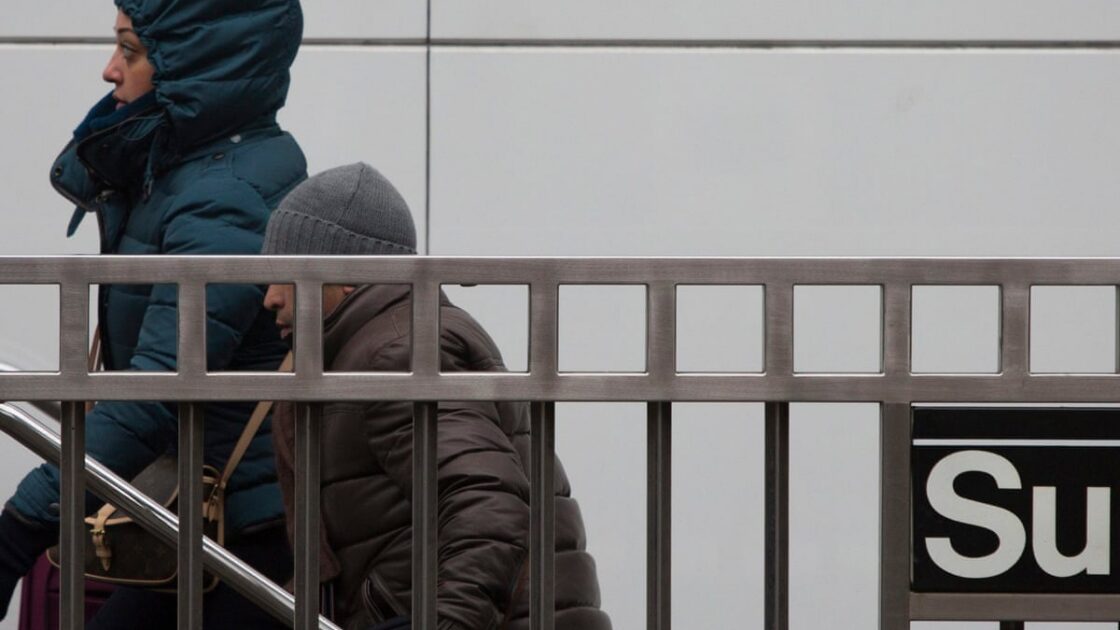
Research conducted by the National Energy Assistance Directors Association indicates that electricity shutoffs across ten states climbed 28% over the prior two years. Millions of Americans were already falling behind on utility payments, forced to choose between covering energy needs, food, medicine, and rent. While the war did not initiate the affordability crisis, it has significantly exacerbated a vulnerable situation for minimum-wage workers, individuals on social security, and middle-class households alike.
Heating oil and diesel share the same petroleum base, meaning both suffer from global energy market disruptions. Higher diesel prices drive up expenses for farming, construction, and the delivery of goods and food. Unlike gasoline consumption, which drivers can sometimes reduce, heating oil remains an absolute necessity for keeping homes warm during cold weather.
Political Response and Market Realities
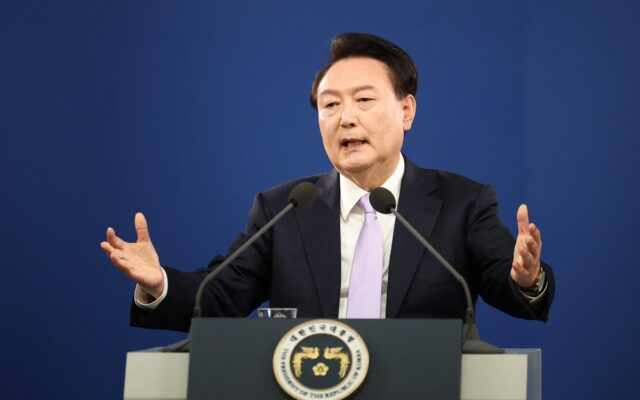
President Donald Trump described higher oil prices from the conflict as a very small price to pay for national and global safety, expressing hope that fuel prices would drop rapidly once hostilities end. However, Wolfe notes that even an immediate end to the war would not instantly restore previous energy price levels. Damaged refineries require repairs, shipping routes need reopening, and depleted petroleum inventories must be replenished, a process that could take months.
Polling from Consumer Reports shows that over a quarter of families have reduced home heating and cooling to uncomfortable levels to cut costs, while 19% have cut back on groceries or purchased cheaper food alternatives. Without intervention, many households risk losing their heat during the coldest months of the year.
Calls for Congressional Action
Lawmakers are urged to take action upon returning after the midterm elections and before winter arrives by adding $3 billion to the Low Income Home Energy Assistance Program (Liheap). This funding would enable states to grant supplemental aid for surging heating oil and electricity costs. Furthermore, because struggling middle-class families often earn too much to qualify under current guidelines, Congress should consider temporarily expanding eligibility while ensuring low-income assistance remains protected.
Long-term energy security requires redefining how the nation approaches the issue, moving beyond domestic oil and gas production that remains vulnerable to overseas price shocks. Expanding renewable sources like wind and solar, which are immune to foreign conflicts, represents a vital path forward. Washington must act immediately to help families survive the winter and prevent future overseas wars from dictating domestic home heating affordability.