Table of Contents
People across the globe are using large language models like Claude Code and Codex to hack, mod, and customize their hardware with simple prompts. This growing trend, often called vibe coding or vibe hacking, has sparked a boom in developer-friendly devices and created a market for better software across nearly every kind of gadget.
How the Vibe-Coding Trend Began
While tweaking and modding electronics is nothing new, large language models have made the process remarkably easy. For a developer in India known as Gathin T, the movement started when he grew frustrated with the chaotic, ad-heavy interface on his Xiaomi Android television. Prompting Claude Code and enabling USB debugging allowed him to control his TV over Wi-Fi, and within an hour and a half, he had removed the bloatware and redesigned the interface.
Gathin posted about his project on X, where it went viral before he launched CleanYourTV as a repository to help others fix their television screens. He notes that this works most easily on Android operating systems, but vibe hackers point out that Android runs on countless household items, from dishwashers to digital photo frames. When direct access is difficult, chatbots can often track down hidden APIs or unpack firmware files to let users customize devices to their liking.
Transforming Cameras, Music Gear, and Gaming Consoles
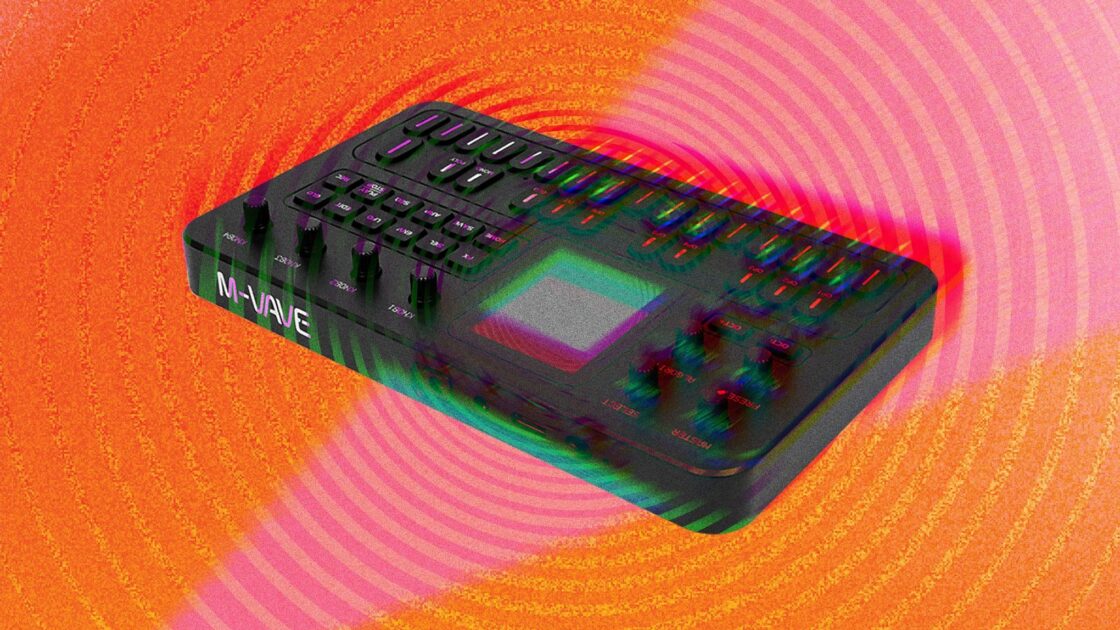
As the tools grew more sophisticated, hardware enthusiasts began pointing AI at cameras, musical instruments, and gaming consoles. Camera hobbyists use language models to repackage software, add new recording capabilities, support higher resolutions, and introduce custom color profiles to their gear. In the music community, budget synthesizers like the M-Vave FM-1 have become popular targets for custom firmware and new features, prompting the manufacturer to release open-source firmware.
Gamers are similarly using AI to decompile games and add new features to their consoles, with one vibe coder even finding a way to play PlayStation 2 discs on a PlayStation 5. This has prompted pushback from the gaming industry, as makers look for ways to protect their work from being decompiled and shared for free. Former Take-Two artificial intelligence head Luke Dicken predicted that the industry will counter with more invasive DRM, platform-level solutions, and a stronger push toward streaming.
At the same time, modifying existing gear carries risks. Installing vibe-coded firmware places users outside manufacturer support, raising the likelihood that a mistake could turn expensive hardware into a permanent paperweight, as writer Ritchie Roesch noted at Fuji X Weekly.
Building Custom Hardware With ESP32 Modules
To avoid warranty and litigation issues, many vibe hackers are turning to ESP32 modules, which package networking chips, microphones, and speakers into affordable, hacker-friendly packages similar to Raspberry Pis. These modules allow users to build hyper-specific devices that major tech companies would never manufacture, ranging from real-time sea condition monitors to portable gaming setups.
Device manufacturers are beginning to embrace this movement. Meta is leading the charge with its Muse Charm and Muse Gadgets program, which lets users purchase prepackaged ESP32 modules or use their own to quickly spin up dedicated AI devices.
Meanwhile, some vibe hackers are transitioning into software vendors. Gathin has spent considerable time refining CleanYourTV to ensure it creates software backups and tests its progress to make the television modification process as foolproof as possible. Even so, developers continue to advise caution, recommending that users never give bots access to devices they cannot afford to lose and suggesting the use of external sandbox environments for testing.