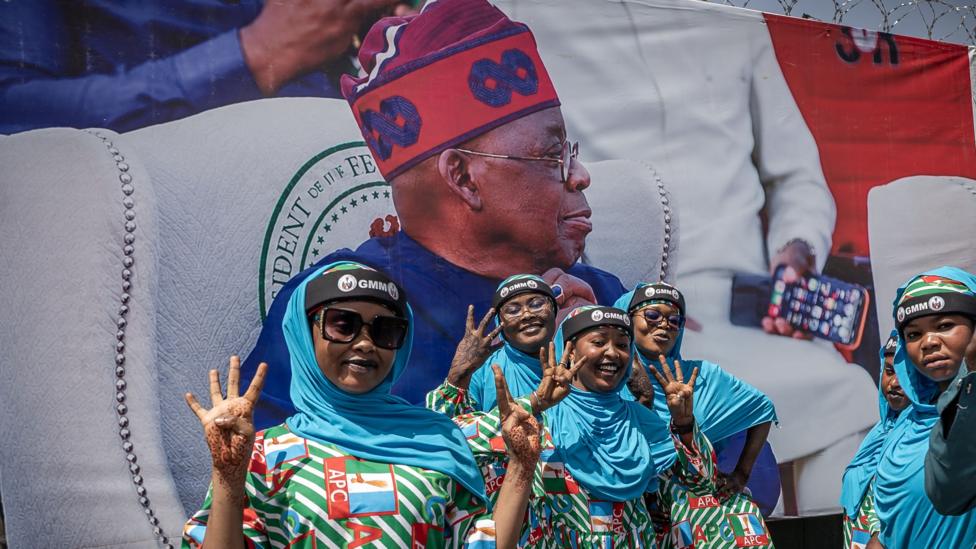
Abdulhadi Dalhatu, 38, is running for a state assembly seat in Kano state in January’s general elections, standing out in a nation where roughly 80% of citizens are under 40. “Younger people are the majority in this country and should be deciding the future,” Dalhatu told BBC News. However, Nigeria’s political landscape remains dominated by older leaders, with the country’s president, Bola Tinubu, at age 74, and primary challengers Atiku Abubakar and Peter Obi aged 79 and 65 respectively.
The Struggle From Protest to the Ballot Box
Although young Nigerians have frequently displayed an ability to mobilise, translating that energy into electoral participation has proven difficult. Peter Obi galvanized millions of young voters in the previous election through the “Obedients” social media movement, offering an alternative to struggling youths. Following his defeat, former supporter Nonso Chukwudi told BBC News that supporters lost hope in the system after the result failed to meet expectations. This movement followed the 2020 EndSars protests against police brutality, which grew into broader demands for political reform before authorities cracked down, killing about 56 people according to reports, while arresting hundreds and freezing bank accounts.
Disillusionment has directly affected voter registration figures. While total registered voters climbed by 10 million to over 103 million since the last election, enrolment among individuals under 35 dropped by about seven million. Young citizens now represent just 29% of registered voters, down from 40% in 2023. Nigeria’s electoral commission, Inec, appointed nine entertainment ambassadors from film, music, and comedy to encourage younger registration ahead of the 2027 general elections. Despite this, 33-year-old Hajara Musa told BBC News she refuses to register or vote, feeling that the outcome is predetermined by the same recurring figures.
High Financial Costs and Cultural Hurdles
Running for office in Nigeria involves severe financial obstacles. Dalhatu explained that he previously had to abandon campaigns due to a lack of funds. Under the Electoral Act, presidential candidates were permitted to spend up to 5bn naira ahead of the 2023 elections, and that spending limit has since doubled. Major parties including the All Progressive Congress (APC), the Peoples Democratic Party (PDP), and the African Democratic Congress (ADC) charge 100m naira for presidential nomination fees. Since 1999, only the PDP and APC have governed Nigeria, building massive nationwide networks that shut out unfunded newcomers. These barriers extend to the National Assembly, where zero senators are under 40 and only 14 of the 360 House of Representatives members belong to that age group. Fatima Zahra Umar, an APC youth politician, stated to BBC News that participation is governed by money because young Nigerians are poor, often settling for minor advisory roles.
Political analyst Seun Ajayi noted that the challenges extend beyond finances, stating that young people are either disinterested or content with small government positions, while older politicians refuse to yield power without a fight. Umar added that cultural attitudes present an additional hurdle, noting that society is not primed to trust younger brilliance and old men continue holding onto the system. In response to recent midterm elections in the United States featuring successful young candidates with African roots, entertainer Charly Boy wrote on X that the results warned Nigerian politicians that voters can redirect government, urging youth to interrogate candidates about jobs, security, and living standards.