Table of Contents
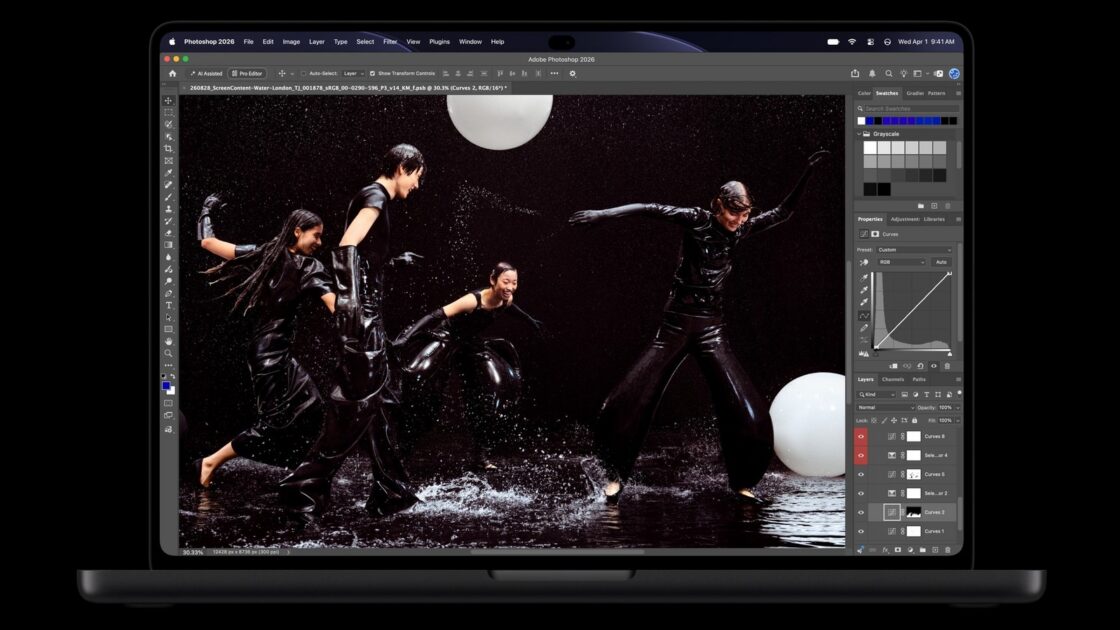
Apple has introduced a new display technology for its latest MacBook Pro models, featuring tandem OLED panels that the company markets as PROLED XDR. While the marketing name has drawn some criticism, the hardware delivers advanced specifications aimed at professional creators.
Advanced Tandem OLED Technology
The new laptops utilize tandem OLED technology, which was previously used in the M4 iPad Pro by stacking multiple organic layers into a single display panel. According to an Apple press release graphic, the design appears to incorporate a triangular pixel arrangement rather than a traditional striped RGB OLED system. Engadget has reached out to the company for clarification regarding the pixel layout.
The tandem OLED system provides several advantages, including high peak HDR brightness, reduced risk of burn-in, and extended panel lifespan. The technology also enhances brightness and color accuracy when viewed from off-angles while maintaining the exceptionally high contrast ratio characteristic of OLED displays.
Brightness and Contrast Specifications
Apple reports that the new MacBook Pro models with PROLED XDR achieve up to 2,000 nits of peak HDR brightness, surpassing the 1,600 nits peak HDR offered by existing Mini LED models. This level of brightness matches or exceeds any other OLED laptop currently available, if the figures prove accurate. Additionally, the company highlights an industry-leading 10,000,000:1 contrast ratio, which is significantly higher than previous MacBook Pro iterations.
The screens provide extensive color accuracy by covering both the P3 (HDR) and Adobe RGB color gamuts, featuring noticeably wider coverage in the green and cyan ranges. Furthermore, the displays cover 80 percent of the Rec.2020 gamut, a notable capability for HDR video editing and professional color grading.
Calibration and Display Management
Apple utilizes advanced factory calibration to guarantee that luminance, white point, and color gamut match standard targets. The company states this makes the technology suitable for filmmaking, design, and medical imaging applications. An advanced display engine regulates the color and luminance of each individual pixel at the sub-millisecond level to account for content, temperature, and environmental factors.
This system also mitigates organic pixel degradation over time by continuously adjusting for each pixel’s age and usage history. The laptops incorporate Apple’s 120Hz ProMotion display technology to support fluid refresh rates during gaming and content creation tasks. For users working in bright environments or outdoors, the models offer an optional nano-texture finish precisely etched into the cover glass to minimize glare.
The new MacBook Pro models featuring PROLED XDR touch displays carry a $400 higher base price that may not appeal to the average consumer. However, the heavy concentration of advanced display technology makes the new devices particularly attractive to professionals who rely on content creation for their livelihood.