Table of Contents
The world has left behind the era of coal, oil, and gas and is now firmly in the age of electricity, according to the head of the International Energy Agency (IEA). Fatih Birol stated that global electricity generation growth in the coming decade will more than double the rate of the last ten years as nations protect themselves against fossil fuel price volatility and supply disruptions.
Drivers of Rapid Electrification
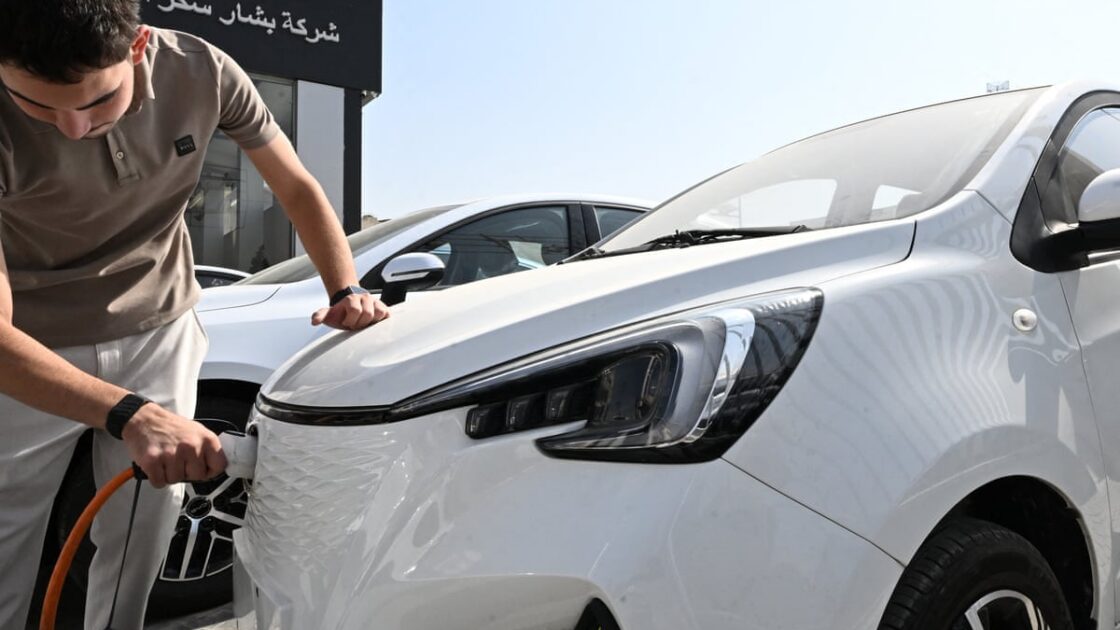
Transport is electrifying rapidly, with electric car sales outside China surging by 60% over the previous nine months, as found by the IEA data. Artificial intelligence datacentres and a sharp increase in air conditioning usage are also driving up electricity demand due to more frequent and intense heatwaves caused by rising global temperatures, as explained by Birol in an interview with Environment | The Guardian (theguardian.com).
Birol told the Guardian that the world added approximately 5,000 gigawatts of electricity in the past decade and is projected to add roughly 12,000 gigawatts over the next ten years. While oil and gas will still be utilized, electricity is becoming the dominant energy source, according to the IEA executive director.
Global Climate Summit and Pledges
Delegates from 185 countries are gathering in Antalya for the Cop31 UN climate summit, where transitioning to electrification is a central discussion topic. A proposal to source 35% of worldwide final energy from electricity by 2035 is under consideration, which could serve as a vital method for achieving mid-century economic decarbonisation.
Electricity currently accounts for about a quarter of global energy needs, while fossil fuels supply the remaining three-quarters for transport, heating, and industry. Birol noted that global electricity generation is increasingly shifting toward renewable sources, a transition expected to accelerate significantly in the coming decades.
Market Impact and Opposition
Experts highlight that powering lives with clean energy reduces wasted energy, since fossil fuels lose most of their energy as heat. Birol stated that the majority of nations support the electrification goal, which he discussed closely with the Turkish and Australian governments, the co-presidents of the summit.
Even if the resolution fails to pass due to required consensus—with nations like Saudi Arabia and Russia reportedly opposed—the rapid progress will persist, according to Birol. The primary drivers remain AI datacentres, the electrifying transportation sector, and expanding air conditioning use.
Birol pointed out that only about 20% of households in India and roughly 5% in Nigeria have air conditioning, compared to about 90% in the United States. As populations grow wealthier and climate change intensifies, air conditioner purchases will increase, driving further electrification that benefits energy security, national competitiveness, and climate action.
Global electricity demand is growing three times faster than total energy demand, and Birol emphasized that the primary challenge is ensuring electricity remains affordable. Addressing UK electricity costs, Birol attributed high prices directly to imported gas reliance rather than other factors, stating that the solution is domestic renewable electricity development rather than increased gas imports.
Electric vehicle adoption is scaling quickly, with about one-third of all cars sold this year expected to be electric, up from 5% five years ago, alongside upcoming electric trucks that will displace significant oil usage, as stated by Birol.
Delegates continue discussions at the Cop31 summit in Antalya, Turkey.