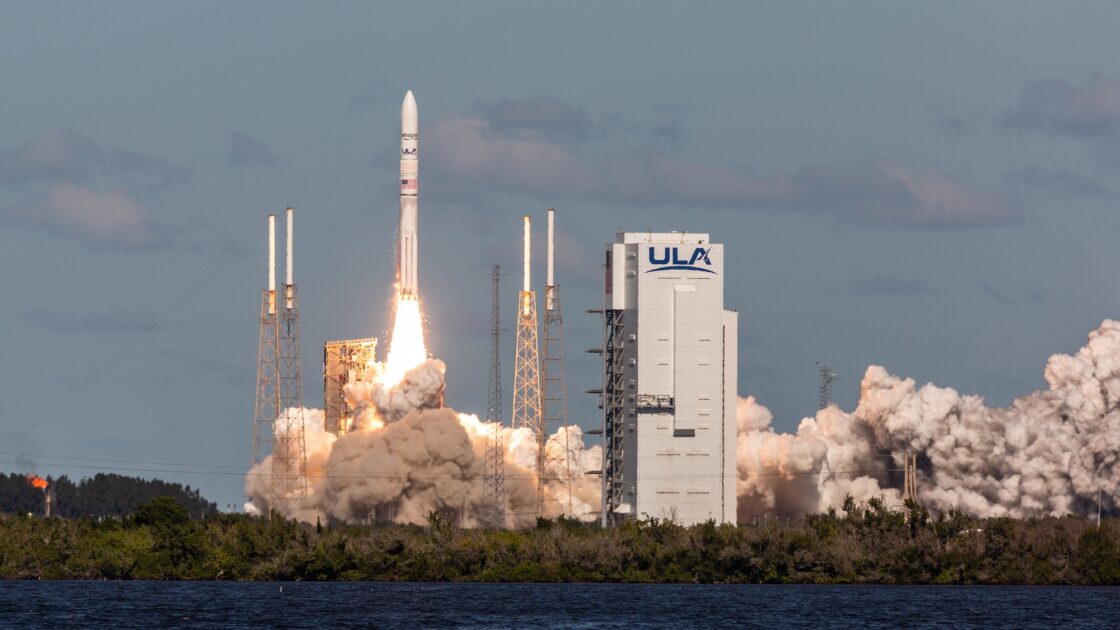
United Launch Alliance’s Vulcan rocket and 40 Amazon Leo broadband satellites crashed back to Earth minutes after liftoff on Sunday, marking a devastating setback that will impact the entire US space sector. The vehicle is contracted to carry approximately half of the United States military’s national security space missions over the coming years, while Sunday’s flight was also the first of 38 booked by Amazon to deploy its internet constellation designed to rival SpaceX’s Starlink. The incident is anticipated to ground the rocket indefinitely.
Previous Close Calls and Sunday’s Launch
The Vulcan vehicle has previously encountered issues, successfully overcoming problems with its strap-on solid rocket boosters during two of its four prior missions. On those occasions, the vehicle managed to adjust and reach orbit to release its payloads, though each event prompted months of investigations and reviews prior to flight resumption. The Sunday mission faced a different type of malfunction after launching from Cape Canaveral Space Force Station in Florida at 12:40 pm EDT (17:40 UTC), where the six solid boosters appeared to function normally during the opening two minutes.
Investigation and ULA Response
United Launch Alliance reported in an official statement that the launcher experienced an anomaly 10 minutes into the journey and failed to place the Amazon payload into orbit, adding that specific data to diagnose the event was not immediately available. The company noted that its mission is to ensure reliable space access for the nation and dependent clients, which drives them toward difficult missions and strict standards of success that were unmet on Sunday. Engineers will now examine the incident to identify the root cause, implement necessary corrections, and resume flight operations as quickly as possible.