Table of Contents
US offshore wind turbines are unexpectedly transforming the ocean floor into thriving artificial reef habitats. Researchers and fishers are now studying how these structures impact marine life and the regional fishing industry along the Atlantic coast.
The Artificial Reef Effect
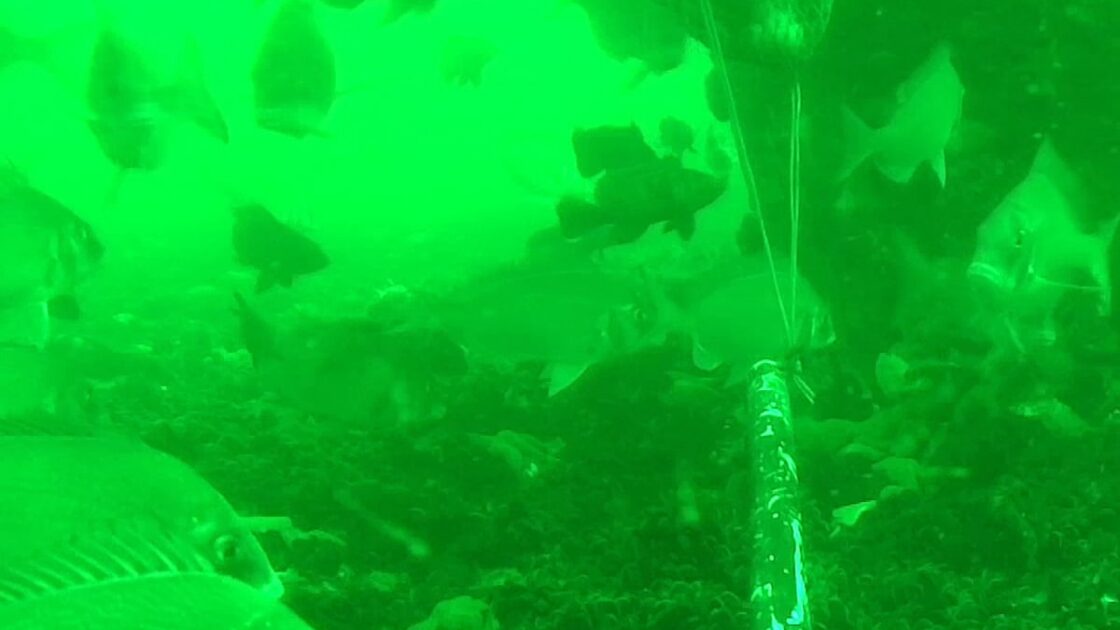
The reef effect begins when structures like turbines attract bivalves and algae, drawing in crabs and small fish seeking food and shelter. Eventually, these localized communities attract larger species, such as black sea bass. Kevin Stokesbury, dean of the School for Marine Science & Technology (Smast) at the University of Massachusetts, Dartmouth, noted that the process happens rapidly, with mussel growth and reef effects starting within six months of installation.
This phenomenon has been documented at the Block Island windfarm, the oldest US offshore facility completed in 2016. A developer-funded study from 2022 revealed a tenfold increase in black sea bass near the windfarm compared to reference areas. Similar effects have been observed in European windfarms, shipwrecks, and oil rigs, with research showing cod attracted to North Sea foundations and harbor seals using turbines as hunting grounds.
The United States currently operates five offshore windfarms off its east coast, with three more scheduled to open in 2027. Together, these projects are projected to generate 6GW and power over 4.5 million homes while providing new habitats for reef-oriented species.
Attraction Versus Production
Researchers are actively investigating whether turbines merely concentrate fish or actually increase overall population sizes. Chris Rillahan, an assistant research professor at Smast, explained that this debate centers on attraction versus production. Smast PhD student Andie Painten noted that her research has found a transient presence of juveniles and adults rather than larvae, indicating that years of sampling are required to determine if the fish are actively reproducing around the turbines.
Recent survey data submitted by Rillahan to the federal Bureau of Ocean Energy Management showed that black sea bass linger near the Block Island turbines before resuming their standard migration patterns. This clustering behavior creates challenges for the fishing industry. According to Rillahan, fish concentrating at the turbines away from traditional grounds could restrict the use of mobile fishing gear, potentially favoring smaller operations using rods, reels, or traps over trawlers. A 2023 report also warned that difficult survey conditions for federal and state agencies could lead to more conservative fishing quotas.
Smast researchers are collaborating with commercial fishers—who retain the right to fish inside US wind lease zones—to examine species responses and help fishers adapt to commercial-scale windfarms.
Changes to Marine Biogeography
Scientists project that expanding wind turbines along the Atlantic continental shelf will trigger the most significant changes to the ocean floor since the end of the last ice age. Stokesbury described the shift from an open sandy bottom to a grid of artificial reefs as a massive biogeographic experiment that will alter which species thrive.
This transformation could favor reef-dwelling species while reducing populations accustomed to wide-open spaces, such as mackerel and herring. It may also benefit certain invasive species, such as Didemnum vexillum—commonly known as sea vomit—which has been identified at the Block Island windfarm spreading like a carpet and smothering shellfish like scallops.
While construction noise can harm fish unless mitigated by methods like bubble curtains, and poorly planned projects can threaten seabirds, experts weigh these localized impacts against broader environmental concerns. Critics such as Donald Trump have raised wildlife concerns to oppose offshore wind, but scientists and groups like the National Audubon Society emphasize that the climate crisis presents a far greater danger to wildlife, making wind energy crucial for replacing fossil fuels.
As researchers continue collecting data, charter boat captains like Tony DiLernia are already taking advantage of the new habitats. With construction nearing completion on the Empire Wind project south of Long Island, DiLernia plans to visit the site soon, stating confidently that he will definitely catch sea bass.