Table of Contents
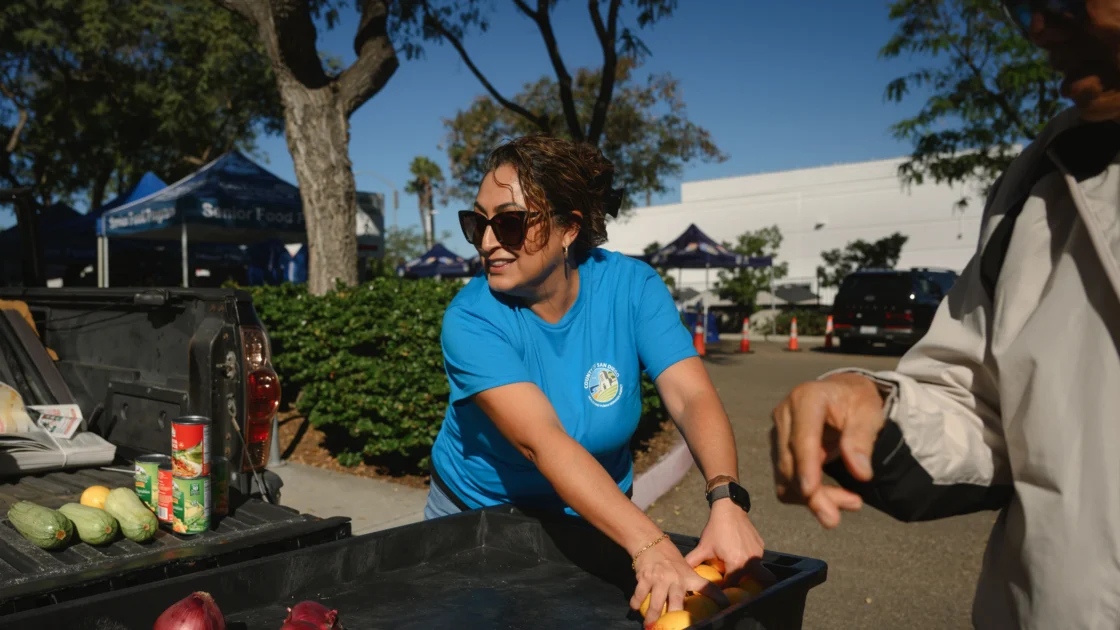
On a Saturday morning in San Diego, California, human services specialist Rosa Rodarte spent her day off pushing food carts and loading cars at a local social service office. Nationwide, some five million people have lost federal food benefits over the past year following the passage of the One Big Beautiful Bill, a sweeping tax and spending legislation that slashed Supplemental Nutrition Assistance Program (SNAP) funding, tightened eligibility, and barred food aid for most refugees and asylum seekers.
The Impact on Workers and Recipients
The fastest decline in decades has increased workloads and financial pressure for government workers tasked with administering SNAP. Nina Olivas, who oversees San Diego’s Access Customer Service Call Center, described the emotional toll of telling callers in urgent need that nothing can be done. San Diego County has 36,000 fewer people enrolled in SNAP this September compared to July 2025, prompting the county to partner with local food banks to distribute free groceries directly outside social service offices.
The policy changes introduced new work requirements for homeless individuals, former foster youth, veterans, parents of children older than 14, and able-bodied adults aged 55 to 64. Supporters argue the policy restores the dignity of work, with U.S. Agriculture Secretary Brooke Rollins and other Trump officials writing in an op-ed last year that welfare had become a lifelong trap of dependency. For caseworkers, however, the rules have created a heavy burden of processing additional paperwork to quantify working hours.
San Diego County processed over 830,000 more documents between January and October compared to the previous year, accounting only for mailed paperwork. To mitigate the crisis, the San Diego County Board of Supervisors secured $15.8 million over the summer to offset lost federal funding and hired 122 new social service workers to keep wait times low.
National Fallout and Local Responses
Other state and local governments have stepped in to bridge the gaps. Illinois issued a one-time $400 benefit for individuals removed from SNAP, while Phoenix provided $600 utility bill payments to those who lost federal aid, and Maine established a state-funded food program for certain noncitizens. Conversely, other regions have struggled significantly; Texas experienced a backlog increase from 3,700 pending applications in January to 175,000 in September, with over 700,000 Texans losing food aid since July 2025, according to the Center on Budget and Policy Priorities.
Arizona’s SNAP rolls shrunk by nearly half due to staffing shortages and tighter scrutiny to reduce payment error rates. In Louisiana, enrollment fell by 154,000, with three-quarters of removals attributed to procedural issues like missing forms or missed interviews, an analysis by Invest in Louisiana found.
Local Food Distribution Events
The food distribution initiative in San Diego originated from a restless night for County Board of Supervisors Vice Chair Monica Montgomery Steppe, who previously relied on assistance and wanted to take action. Between August and September, the county distributed nearly 70,000 pounds of food to over 5,200 people through partnerships with Feeding San Diego and the San Diego Food Bank.
At a recent event, families, seniors, and veterans lined up early while workers not only distributed goods but also resolved individual cases. Among the attendees was Ambar Santiago, whose benefits were delayed due to a paperwork issue. After receiving vegetables, canned goods, and diapers, Santiago sat with a worker who helped address her situation.
Santiago later used the onions, potatoes, and tomato sauce from the distribution event to prepare her mother’s carne guisada for dinner. Having previously experienced homelessness in different parts of the country, she expressed deep gratitude for the support she received in her current ZIP code.