Table of Contents
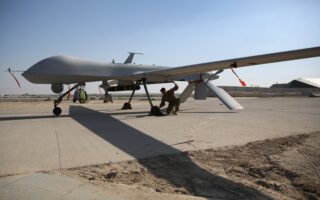
The Kremlin has issued a stern warning to Ukraine, stating that the country will face “painful consequences” following drone strikes targeting Russian vessels in Libya and the Baltic Sea. Kremlin spokesman Dmitry Peskov announced on Monday that the Russian Ministry of Defence is currently addressing the incidents.
Escalating Tensions and Military Response
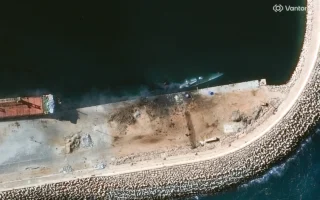
The warning follows claims by Ukrainian President Volodymyr Zelenskyy that his forces successfully sank two Russian ships at a naval base in Benghazi, Libya, on Sunday. Zelenskyy identified the vessels as the corvette Merkury and a cargo ship allegedly used by Moscow to transport weaponry.
Peskov stated that the Russian military would provide further details on the matter if deemed appropriate. He emphasized that Moscow intends to continue its ongoing military campaign against Ukraine in retaliation. “Our military personnel continue to carry out large-scale, comprehensive strikes on military infrastructure in Ukraine on a daily basis. This practice has very painful consequences for the Kyiv regime,” Peskov told reporters.
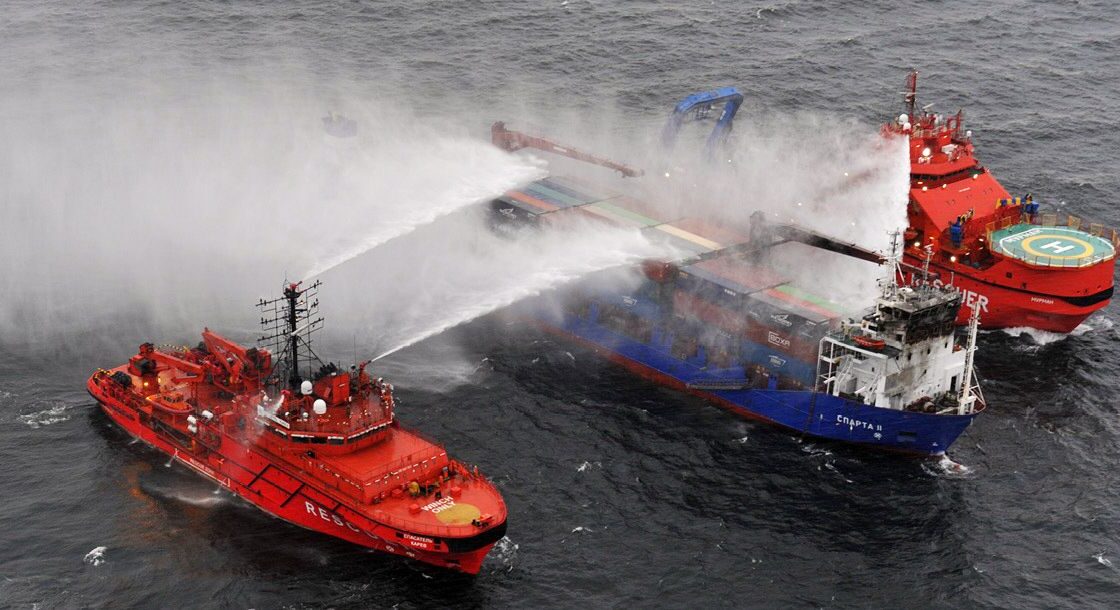
Regarding the strike in the Baltic Sea, where a drone attack on Saturday set the Kaliningrad-bound vessel Sparta II on fire in international waters, Peskov described the incident as a “very dangerous trend.” He further noted that Moscow expects Baltic states to exert influence on Kyiv to cease what he termed “terrorist practices.”
Regional Impact and Diplomatic Fallout
The attacks have drawn international attention, particularly in Libya. The country’s eastern-based government has filed a formal complaint with the United Nations, asserting that the strikes constitute a violation of Libyan sovereignty. The administration has requested an international investigation into allegations that Ukrainian military personnel were present in western Libya during the operation.
These strikes are part of a broader Ukrainian strategy to disrupt Russian naval assets and merchant vessels associated with Moscow’s “shadow fleet,” which is utilized to bypass Western sanctions. The vulnerability of these supply lines has prompted Russia to bolster its maritime logistics.
On Monday, Russian Prime Minister Mikhail Mishustin announced that the government plans to invest 47 billion roubles ($576m) in the construction of two rail ferries. These vessels are intended to maintain the flow of goods to the exclave of Kaliningrad, which has faced supply challenges since Lithuania restricted the transit of certain goods in 2022 to comply with European Union sanctions. The new ferries are scheduled to begin operations between Ust-Luga and Baltiysk in 2030, with funding primarily sourced from Russia’s national wealth fund.
Nuclear Rhetoric
Amid the heightened tensions, Dmitry Medvedev, Deputy Chairman of the Russian Security Council, reiterated warnings regarding the potential use of nuclear weapons. In an article published on Monday, the former president stated that Russia maintains the right and, under certain conditions, the obligation to utilize all available means for self-defense, including its nuclear arsenal.
However, Medvedev acknowledged that despite ongoing provocations from Ukraine and NATO member states, Moscow has not yet identified a “direct necessity” to deploy nuclear weapons in the current conflict.