Table of Contents
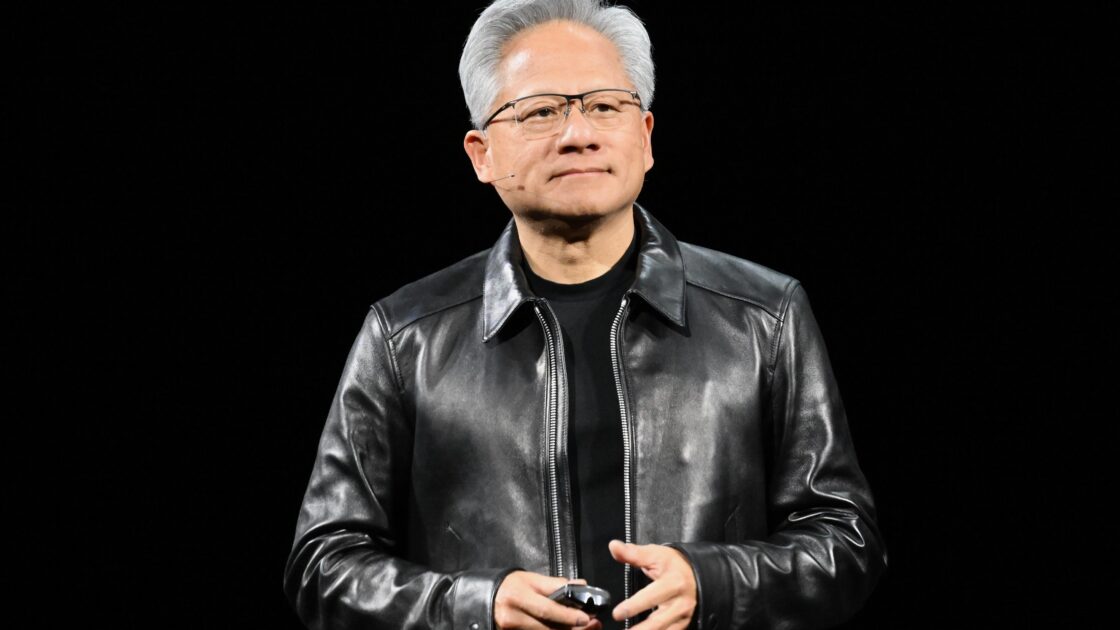
Nvidia co-founder and CEO Jensen Huang has resigned following a cascade of controversies involving an alleged Chinese spy, multiple extramarital affairs, and severe national security concerns. The leadership crisis at the heart of the American artificial intelligence ecosystem has sent shockwaves through Silicon Valley and triggered a sharp drop in the company’s stock.
The Spy Allegations and Initial Escalation
The controversy began when The New York Times reported that Jensen Huang appeared to be the target of a Chinese spy plot involving Alice Huang, an executive at Singapore-based data center company Megaspeed. Megaspeed had been investigated by the US Commerce Department over suspicions of illegally smuggling Nvidia AI chips into China in violation of trade restrictions. Singapore authorities confiscated Alice Huang’s passport in June 2025 and barred her from the country after she reportedly provided inaccurate information to police. US officials believed she was passing information about Nvidia designs and White House trade deliberations directly to Beijing.
The relationship drew intense scrutiny because Nvidia chips are vital to American AI superiority and national security. While the US government restricted advanced chip sales to China, Jensen Huang routinely pushed to loosen those restrictions and developed close ties with President Donald Trump. On November 6th, the Times reported that Alice Huang was specifically recruited by China’s Ministry of State Security to spy on the Nvidia CEO. Although intelligence officials disagreed on the strength of the evidence, rumors circulated regarding a romantic relationship between the two.
Resignation and Revelations of Further Affairs
On November 8th, Jensen Huang admitted to having an extramarital affair without naming the Megaspeed executive, prompting the Nvidia board to launch an investigation. Despite the scandal, many analysts believed he was untouchable due to his central role in the company and the lack of a succession plan, noting his unusual corporate structure with roughly 60 direct reports. However, the situation deteriorated rapidly on November 11th when the Times reported a second affair between Jensen Huang and one of his direct reports, Kimberly Powell, Nvidia’s vice president of health care. According to Bloomberg, he accepted his fate Wednesday evening, telling people, “I’m a piece of shit,” and Nvidia announced his resignation the following day.
CFO Colette Kress was immediately named interim CEO, and Harvey Jones was appointed as the company’s first board chair to oversee a search for a permanent successor. The destabilizing impact was immediate as Nvidia’s stock plummeted from an all-time high of $239.24 on October 6th to $162.85 by November 13th. Prior to his resignation, Nvidia faced a shareholder lawsuit claiming the company deceived investors regarding its relationship with Megaspeed. Furthermore, Reuters reported that Jensen Huang misled several Nvidia leaders, including general counsel Tim Teter and chief marketing officer Alison Wagonfeld, about his relationship with Alice Huang. By Thursday night, Reuters reported a third affair with another Nvidia employee.
The Aftermath and Future Uncertainties
As the board’s investigation continues, Nvidia faces mounting questions about its leadership, corporate structure, and compliance with export controls. If proof emerges that the former CEO knowingly helped Megaspeed or other intermediaries illegally divert restricted chips to China, he could face criminal charges. The scandal also raises concerns over potential civil or criminal penalties for Nvidia, especially given reports from Culper Research that over 20 percent of the company’s 2026 compute revenue originated from China through intermediaries like Megaspeed, which operated out of suspicious locations.
The broader AI industry and American economy face heightened uncertainty due to Nvidia’s massive investments and financing for AI data centers. Furthermore, the political fallout could intensify scrutiny from the incoming Democratic majority in Congress, potentially leading to stricter trade restrictions and heightened tensions with China. With questions lingering over the administration’s prior knowledge of the situation and the public perception of the AI industry, Nvidia must navigate a turbulent path forward under new leadership.