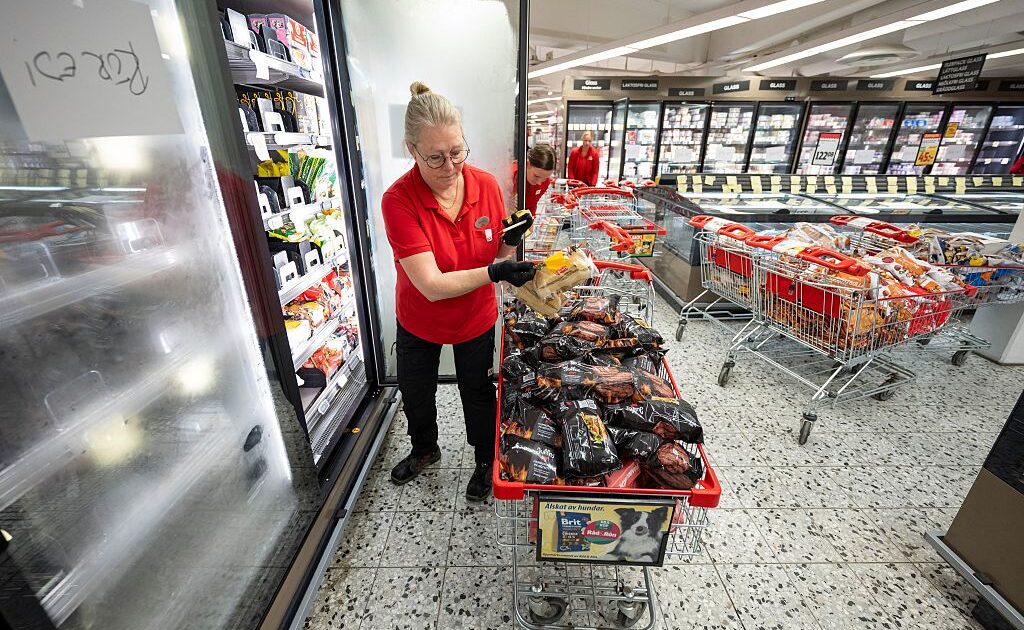
Hackers executed an unusual cyber attack in October by raising temperatures in refrigeration systems at hundreds of supermarkets throughout France, resulting in the destruction of millions of euros worth of food.
Unprecedented Scale and Attribution
Although commercial refrigerators and freezers have faced attacks previously, this incident marked the largest scale and the first occurrence in the heart of Europe. The operation left cybersecurity professionals puzzled about the perpetrators until French intelligence agencies discovered Farsi traces and other digital evidence leading to an elite hacking unit within the Islamic Revolutionary Guard Corps.
Western intelligence agencies were already familiar with the suspected unit, named Shahid Kaveh after an Iranian commander killed in the 1980s Iran-Iraq war. This group operates as one of several hacking divisions supervised by the Cyber Electronic Command of the Revolutionary Guards.
History of Critical Infrastructure Targeting
Operating frequently under the online moniker CyberAv3ngers, the collective has a documented background of focusing on critical infrastructure. During 2023 and 2024, the group compromised Israeli-manufactured industrial control devices embedded in water, manufacturing, and transportation networks across multiple US states. While operational impact remained limited, the attackers consistently left behind a specific message stating that all equipment made in Israel served as their legal target.
State-backed hackers from Iran have historically directed operations at Europe very infrequently. Experts note that the October incidents represent a significant escalation in the cyber warfare tactics of the Islamic republic and signal a newfound readiness to strike European infrastructure.
As Ellie Geranmayeh of the European Council on Foreign Relations explained to Ars Technica, Iran has delivered a distinct message indicating that the global economy will face disruption as retaliation for its isolation from the world.