Table of Contents
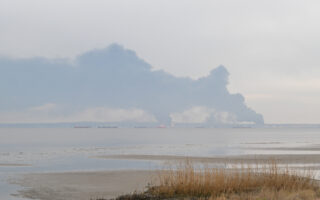
Iran’s Islamic Revolutionary Guard Corps (IRGC) announced it targeted a US early-warning radar facility in Bahrain in retaliation for an air attack on a telecommunications tower in southern Iran.
Retaliation and Warnings
The claim followed reports from Iran’s state news agency IRNA, which cited official sources stating that the port city of Sirik in Hormozgan province sustained damage from enemy fire on Thursday. According to a statement distributed by the semi-official Tasnim news agency, the IRGC characterized the strike as a serious warning to the aggressor enemy to halt aerial provocations and oil smuggling in the Strait of Hormuz. The IRGC warned that its aerospace force remains prepared to engage without limitations if these aggressive violations happen again, while the IRGC-affiliated Fars news agency reported that the radar installation was successfully targeted and destroyed.
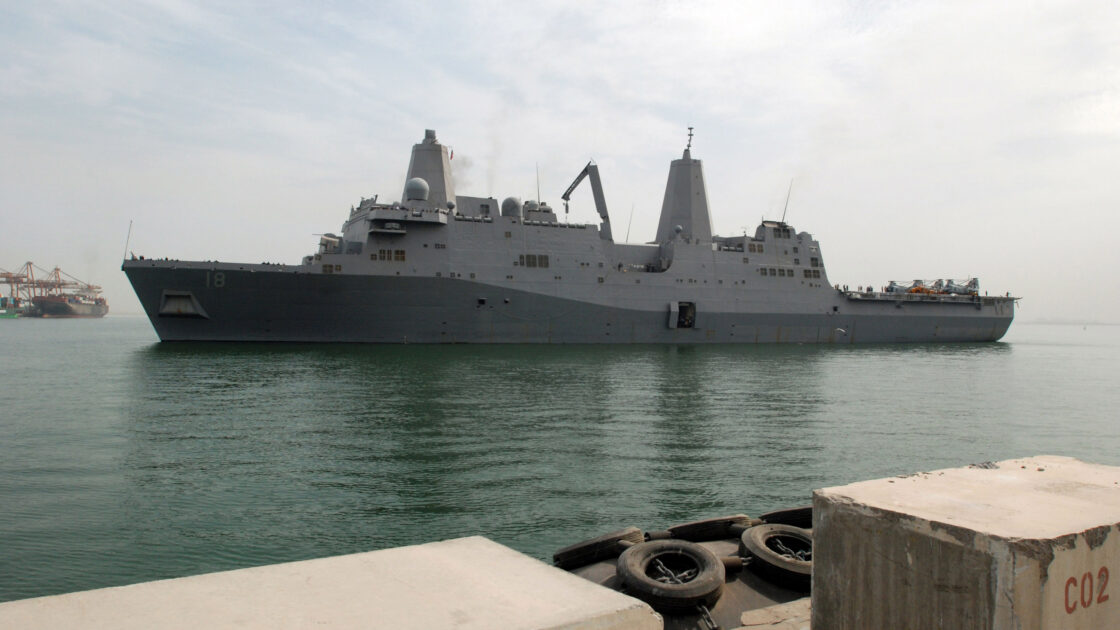
Neither Washington nor Manama issued an immediate response to the claim. Bahrain serves as home to the US Navy’s Fifth Fleet headquarters, situated at the Naval Support Activity base in Manama as the principal command centre for American naval operations throughout the Middle East. Al Jazeera analysis of satellite imagery showed that the base suffered direct hits on multiple radar domes and structural damage across the facility when it was initially struck in the opening hours of the conflict on February 28.
Regional Tensions and Military Posture
News outlets reported that the United States has decreased troop numbers at regional bases and directed certain diplomatic personnel to depart while President Donald Trump considers fresh strikes against Iran. US Central Command stated that it routinely repositions personnel and assets to optimize mission readiness. Reuters noted that this marks the first time since early September that Iran has claimed responsibility for an attack on US military assets within a Gulf nation.
Broader Diplomatic and Military Stances
Israeli media, including public broadcaster KAN, reported that Israel’s security cabinet instructed the military to intensify preparations for a potential strike against Iran. Iranian security chief Mohsen Rezaei cautioned that any future US war would render every participating military base from West Asia to Europe a legitimate target for Iranian forces. A Pentagon inspector general report published in September revealed that earlier Iranian attacks damaged or destroyed hundreds of buildings across US installations in eight nations, including Bahrain, during the initial four months of the conflict, leaving several regional bases nearly unusable according to analysts.
President Trump stated his readiness to resume military action if diplomatic efforts mediated by Qatar fail to yield an agreement. Conversely, US Secretary of State Marco Rubio expressed that economic pressure on Iran is proving sufficiently effective, making large-scale military operations unnecessary. In an interview with Al Jazeera, Iran’s parliament speaker and chief negotiator Mohammad Bagher Ghalibaf asserted that the Strait of Hormuz will never return to its pre-war state, adding that the diplomatic initiative now rests with Washington.
US Central Command reported that its forces continue strict enforcement of the naval blockade targeting Iranian ports, nearly a year after the conflict commenced on February 28 with US and Israeli strikes on Iran.