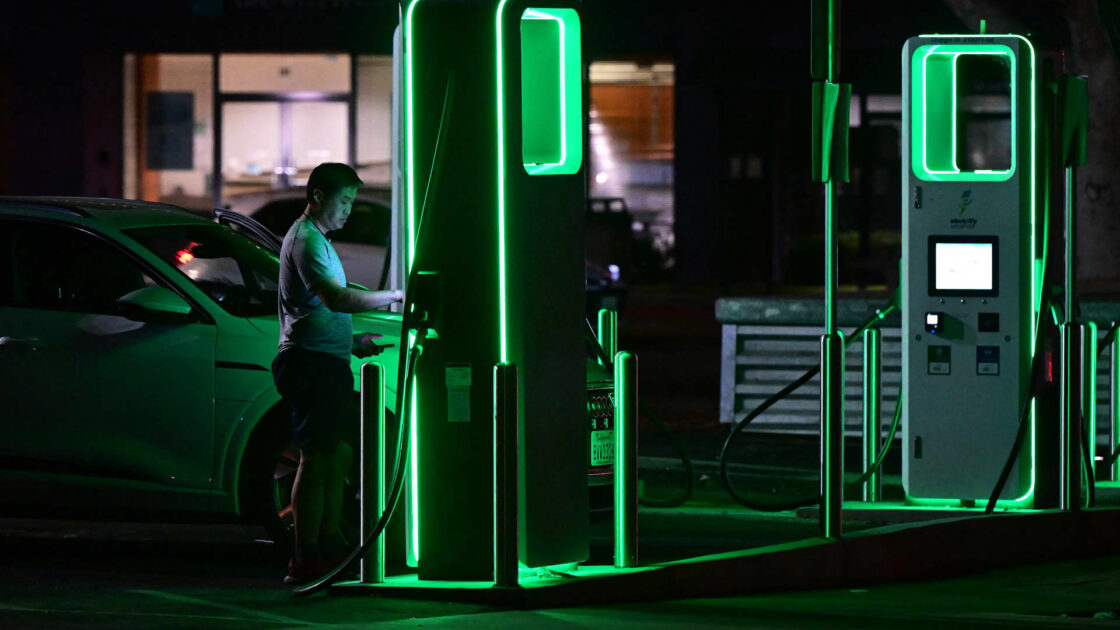
Chief executives of several American electric vehicle manufacturers stated they are not relying on increased federal backing for their businesses when Democrats assume control of Congress in January. Speaking to US Top News and Analysis (cnbc.com), the leaders of Rivian Automotive, Lucid Group, and startup Scout Motors noted they would gladly accept any assistance if it materializes, but built their strategies without it.
Planning Without Government Backing
Scout CEO Scott Keogh told US Top News and Analysis (cnbc.com) on Wednesday that his company was designed from inception to operate without depending on legislation that may fluctuate. EV makers have historically navigated shifting policies from Washington, including the Trump administration rolling back climate initiatives and the prior administration’s $7,500 customer incentive for EV purchases. Traditional manufacturers and startups alike previously relied on those credits to lift sales and achieve profitability, but that level of assistance is no longer available.
Rivian CEO RJ Scaringe expressed hope that a Democratic Congress and Republican President Donald Trump could find common ground for the EV sector, but confirmed Rivian is not factoring that into its operations. Scaringe noted on Nov. 6 that the company plans to avoid relying on such outcomes, anticipating challenges in getting legislation enacted. Lucid CEO Silvio Napoli shared a similar perspective on Monday, stating that the company follows the philosophy of planning for the worst while hoping for the best, and will accept any positive developments.
Focus on Affordability and Production
The absence of anticipated support coincides with a shift in Democratic priorities toward topics such as healthcare, data centers, affordability, and oversight of the Trump administration, rather than alternative energy. Rachel McCleery, executive director of the Coalition for Reimagined Mobility at SAFE, suggested that affordability debates will likely encompass vehicle costs and supply chain incentives, as lowering consumer costs remains a priority for Democratic policymakers.
Scout’s Keogh stated that if lawmakers do provide support, he favors backing for production to help lower manufacturing costs and pass savings along to consumers, especially as EVs typically cost more than internal combustion engine vehicles. EV sales surged last year ahead of the September 2025 termination of the $7,500 incentive, but have since declined. Data from Cox Automotive shows the average price for a new electric vehicle in September exceeded $54,800, compared to an overall industry average of just over $51,100.
Stephanie Valdez Streaty, director of industry insight at Cox, emphasized on Friday that while incentives accelerate adoption, the industry cannot build long-term strategies around them, noting that affordability and compelling value must drive consumer choice with or without government aid.