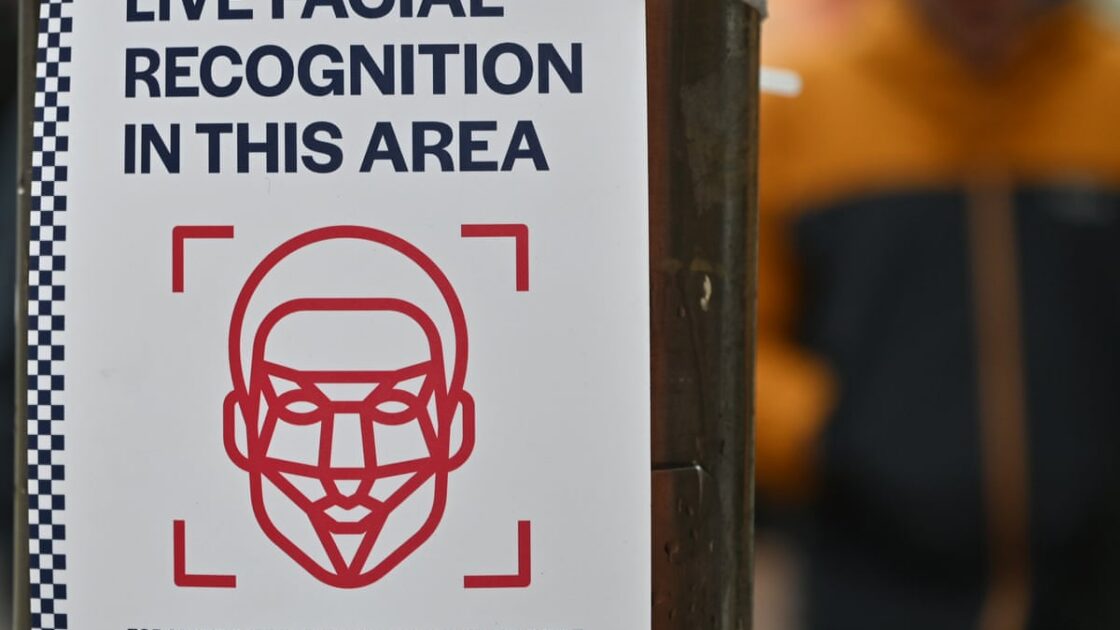
Official data reveals that ethnic minority individuals in Wales are four times more likely than white people to be targeted by specific police facial scans. Internal figures from South Wales police show that minority groups accounted for nearly a quarter of selected scans despite representing a small fraction of the regional population.
Facial Recognition Technology in South Wales
As reported by The Guardian, figures obtained under the Freedom of Information Act demonstrate that 24% of people chosen for police facial recognition checks in 2025 belonged to ethnic minority groups, even though they comprise only 7% of the total population in the area. The police force covers major Welsh cities including Cardiff and Swansea and has pioneered several iterations of artificial intelligence-enabled facial recognition tools.
The latest data centers on an enforcement method where officers capture a person’s face using a smartphone and run the image through an algorithm known as “Neoface” to check against custody mugshots and other databases. Most of these scans occur because individuals are suspected of crimes. South Wales police stands among the first UK constabularies to routinely use this officer-initiated facial recognition technology to identify suspects, wanted criminals, and missing persons who decline to provide details when challenged, as well as individuals found unconscious, uncommunicative, or dead.
Civil liberties advocates and anti-discrimination experts have labeled the statistics alarming. Jake Hurfurt, the head of research and investigations at Big Brother Watch, stated that intrusive biometric tools are disproportionately targeting minority communities. Aliya Mohammed, the chief executive of the Cardiff-based anti-discrimination group Race Equality First, noted that the technology is not neutral because it relies on artificial intelligence that can reinforce existing biases.
Impact and Public Debate
Alvi Choudhury, a 26-year-old who was arrested for a burglary in a city he had never visited after face-scanning software confused him with another person of South Asian heritage, expressed concern that police are overly reliant on artificial intelligence tools. According to the 2025 data, officers initiated face scans for 257 adults and 14 children, including two individuals under the age of ten. More than half of the scans involved individuals suspected of a crime, being unlawfully at large, or breaching bail conditions.
A spokesperson for South Wales police acknowledged that the figures raise concerns regarding disproportionality. The force explained that the number of searches remains relatively small and the technology is in its infancy, adding that every deployment is subject to supervisory scrutiny. The force stated it will continue to review its approach through governance processes involving independent advisory groups.
Meanwhile, the Home Office recently announced a new facial recognition watchdog equipped with the authority to halt police forces from utilizing the technology if they fail to adhere to established rules and upcoming legislation.