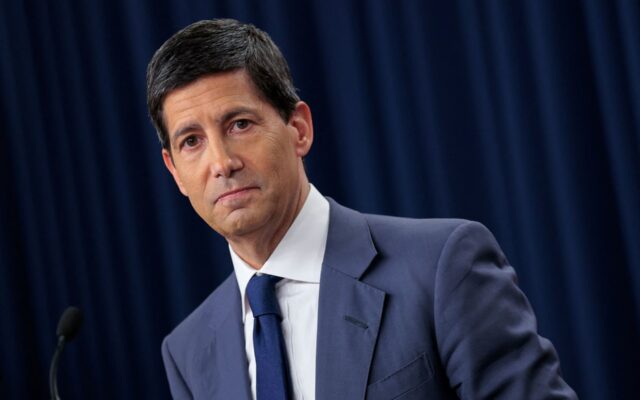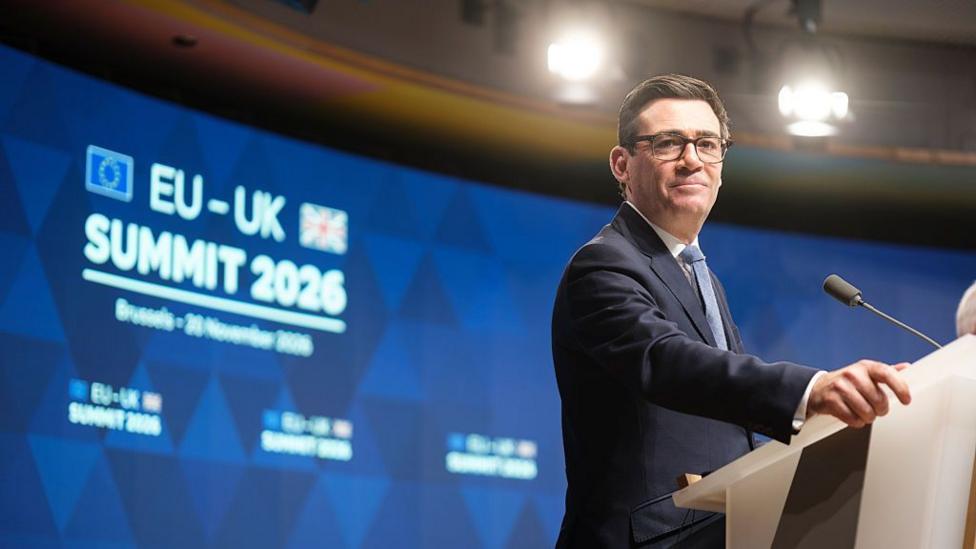
Prime Minister Andy Burnham’s recent address to the Commons, following an EU-UK summit in Brussels, mirrored political promises from two decades ago when former leader David Cameron pledged to stop talking about Europe. The speech raised questions about whether the prime minister can quiet the ongoing national debate over Europe and what his administration will promise at the next general election.
Pragmatic Approach and Future Options
When asked by BBC News if his strategy could involve seeking a mandate for another in/out referendum at the next election, Burnham did not rule the possibility out. He stated in Parliament, “If it’s in Britain’s national interest, I will recommend it to this House. If it is not, then I won’t,” while carefully leaving his options open by adding that there is no fixed opinion or destination.
Burnham also suggested he would limit the frequency of his public statements on the subject, promising no running commentary and instead offering a calm, constructive, and pragmatic consideration of long-term British interests. He further noted that Europe could change in the coming years, pointing to potential shifts such as Marine Le Pen possibly becoming the president of France.
Burnham’s frequent discussions on the European question in recent months have sparked distinct reactions, leading campaign groups such as Stay Out and a rival outfit named Get In to organize. Meanwhile, EU sources described Burnham’s desire to brainstorm future relationship options as normal diplomacy, noting that clear options remain: the status quo, the customs union, the single market, and full membership. These sources indicated that such discussions do not require a template or bespoke talks, but will instead form part of regular dialogues.
Upcoming Legislation and Ongoing Negotiations
The government is set to publish the European Partnerships Bill on Thursday to enact the agreements reached at the summit, alongside the legal text of the deals for public scrutiny. The small print is expected to reveal details such as potential compensation to the EU, with Brussels reportedly able to charge London if a future government reverses the food export changes within the next 10 years, covering the cost of reinstalling checkpoints.
Negotiations continue on unresolved areas of cooperation. The EU aims to secure a deal on university tuition fees within the next six months, ensuring EU students pay the same rates as British students at UK universities, in a reciprocal arrangement for UK students in Europe. Whitehall officials are also encouraged by the EU’s willingness to include the UK in its “Made in Europe” plan to protect regional industry from China, alongside discussions regarding the EU’s common electricity market.
Despite these potential agreements, Burnham has publicly noted that incremental changes only take the UK so far, demonstrating an appetite to go further in ties with the bloc.